Understanding the chemical language of love used by tsetse flies helps combat the spread of a lethal human parasite.
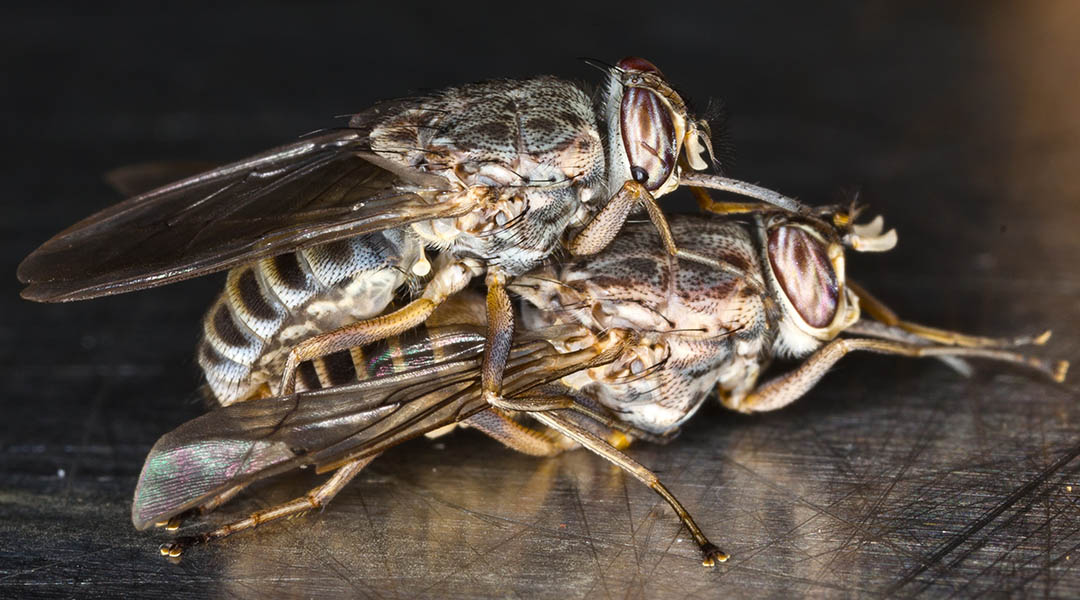

Understanding the chemical language of love used by tsetse flies helps combat the spread of a lethal human parasite.
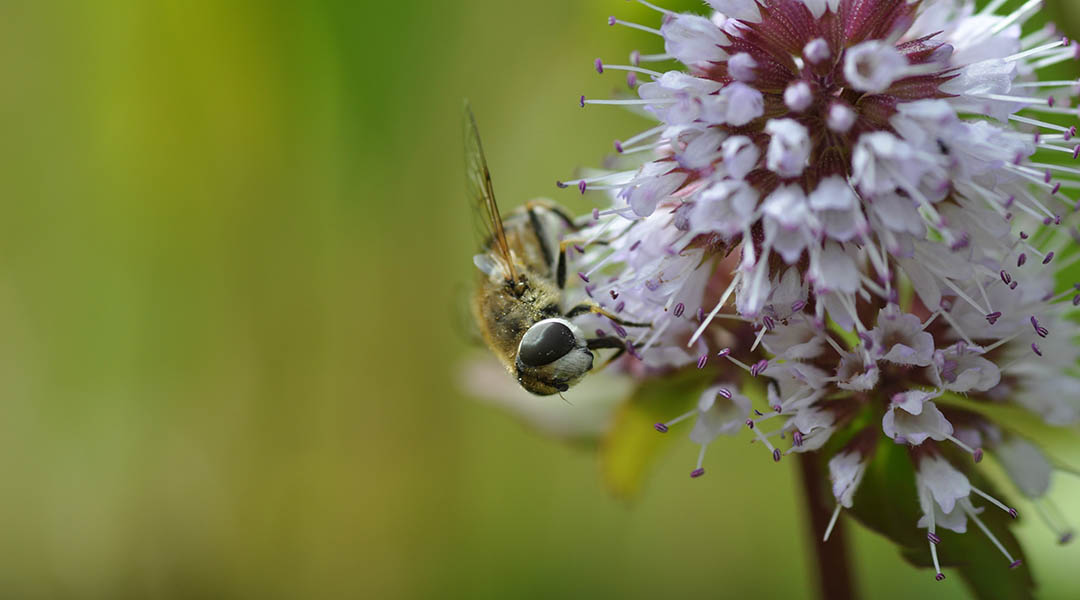
Data collected over the last 100 years in northern Finland demonstrates drastic changes pollinator species linked to climate change.
Splitting water with light via photocatalysis to create hydrogen could help reach net zero emission goals if the process can be scaled up.
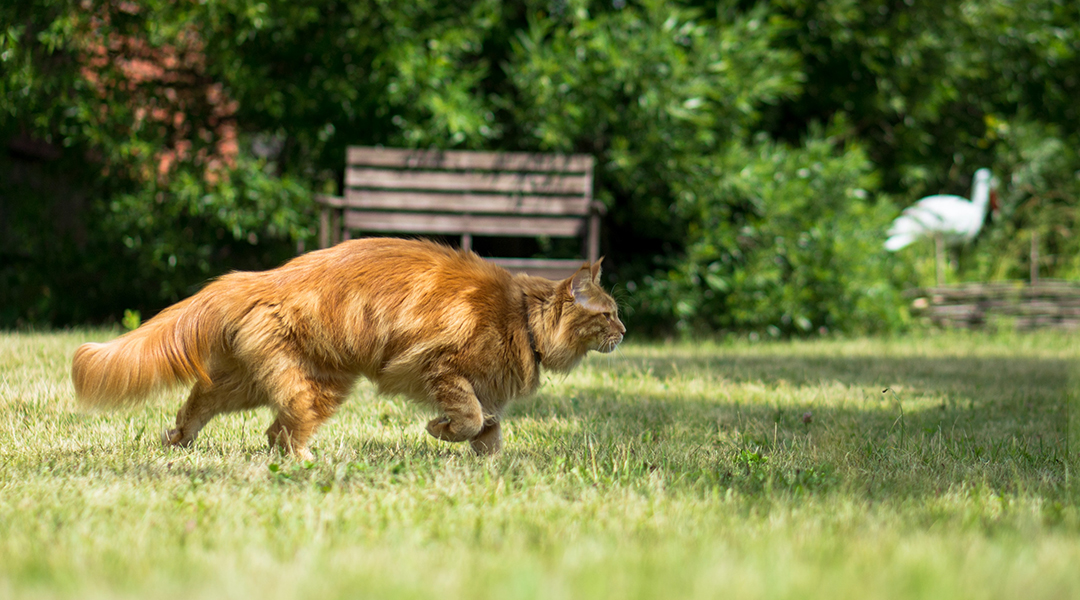
Cat personality has been linked to hunting behavior, and understanding which breeds are more prone could help minimize impact on wildlife.
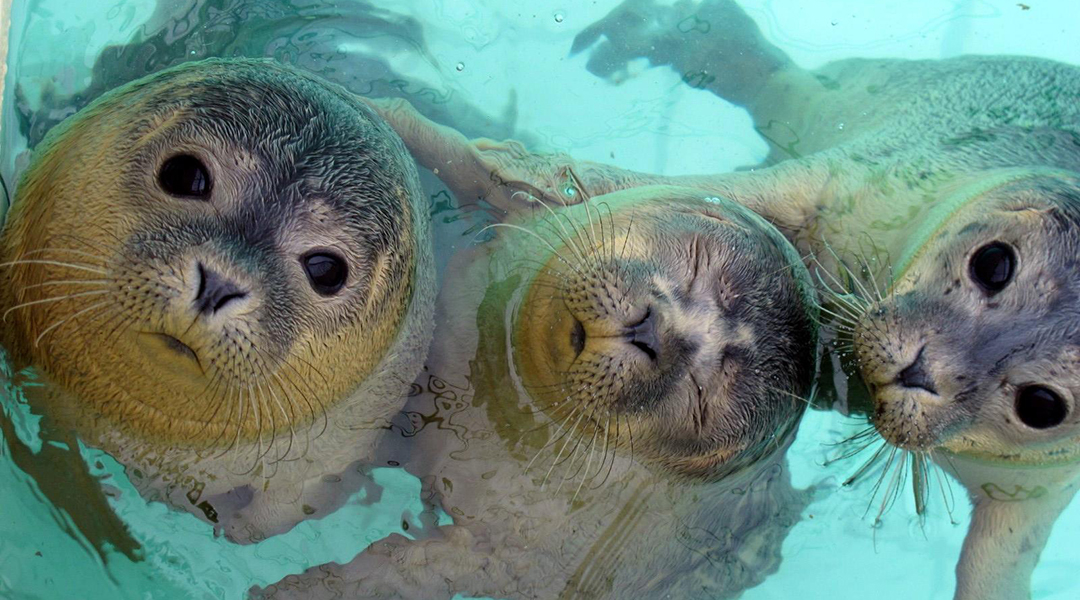
Recreating the bead-like structure of seal whiskers grants scientists insight into new underwater technologies.

Though important, there are trade-offs to achieving the UN’s sustainable development goals when it comes to carbon capture and utilization.
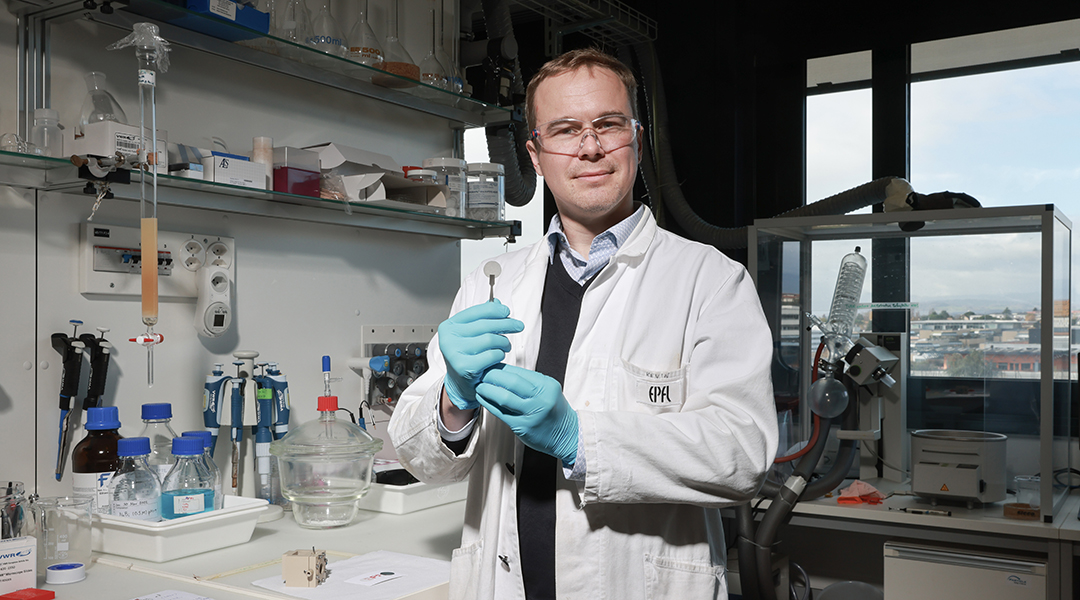
Taking inspiration from plants, researchers demonstrate a proof-of-concept device that extracts hydrogen fuel from humidity using sunlight.

A new study shows that even after millennia of apparent climate stability, global temperatures might suddenly increase at dramatic speeds.
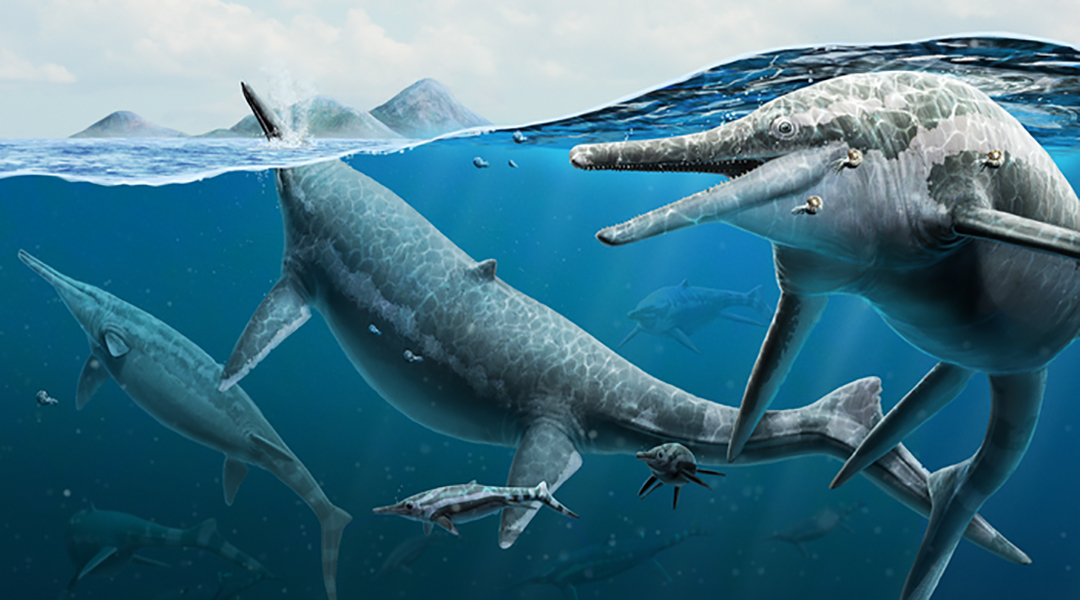
Nearly 200 million years before modern whales, school bus-sized marine reptiles called ichthyosaurs may have been making similar migrations to ancient breeding grounds.
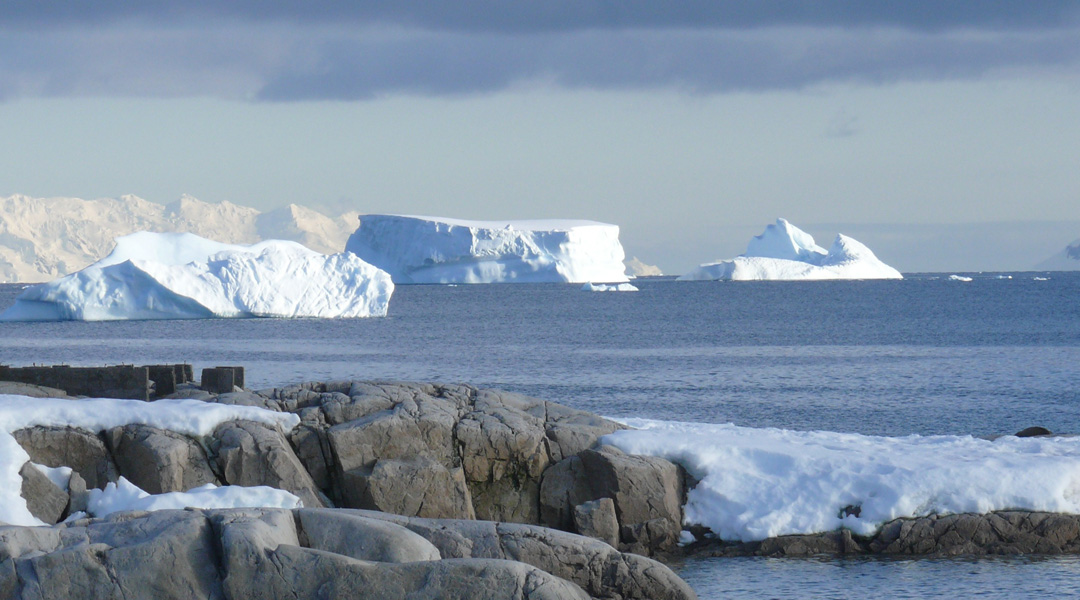
Underneath the freezing, desolate surface of Antarctica, phytoplankton are finding a niche.
 New theory suggests gravity is not a fundamental force
 Higgs boson may be driving the Universe’s expansion
 Water-powered gadgets may be on the horizon thanks to new evaporation-based energy device
 Scientists discover a new class of antibiotics
 Micron-sized hidden dimensions could solve two of physics’ deepest puzzles
 A new type of dark matter could explain mysterious radiation from the Milky Way’s core