Ford is the first automaker to develop foams and plastics using captured CO2 for its vehicle lineup
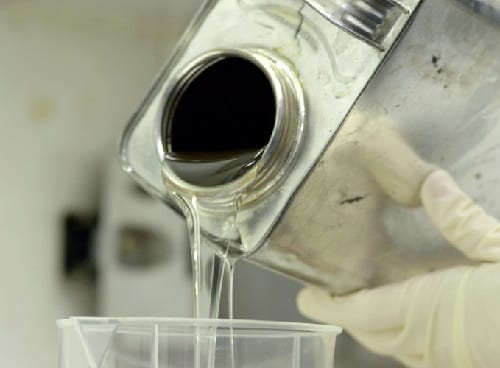

Ford is the first automaker to develop foams and plastics using captured CO2 for its vehicle lineup
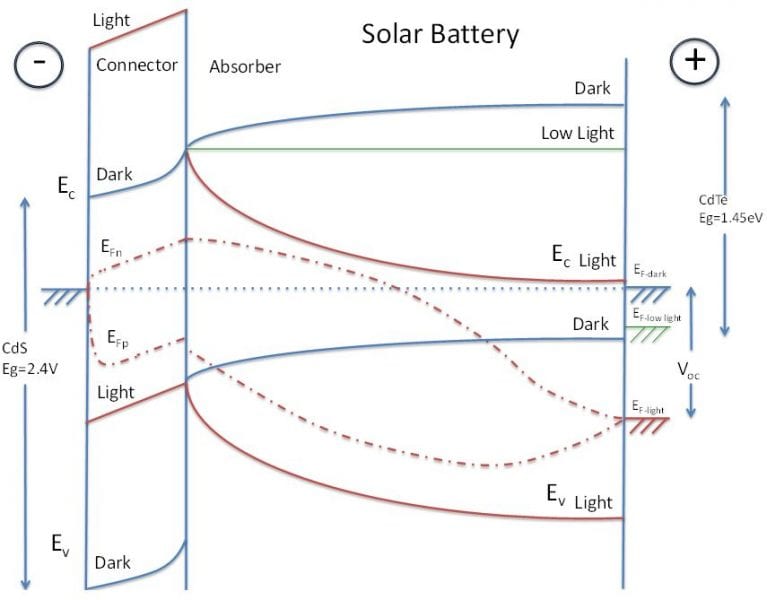
A new solar cell is described that relies on a thin layer of clean CdS in which a high-field domain extracts holes from p-type emitters without having pn-junctions involved. This design is highly advantageous for increasing the efficiency of the solar cell significantly, by avoiding junction leakage and by increasing the open circuit voltage to its theoretical value approaching the band gap at T = 0 K.
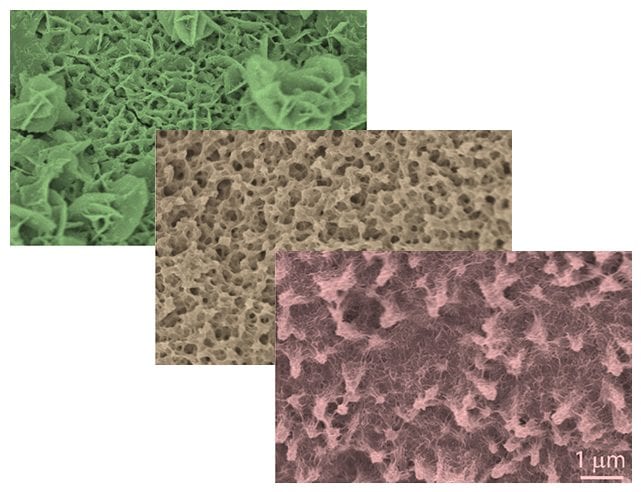
Researchers from Singapore have grown nanoporous nickel sulfide on nickel foam to generate promising electrodes for supercapacitors.
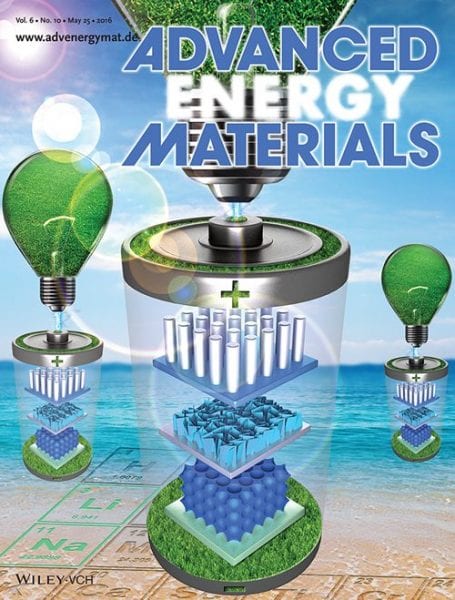
Take a look at the great cover images from the May issues and top five most downloaded articles this month.
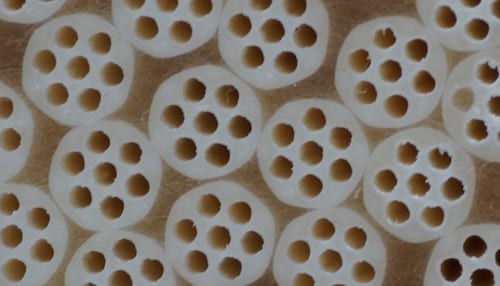
GE’s new ZeeWeed* 700B Ultrafiltration membrane for seawater pretreatment, removal of sulfate and suspended solids.

The new In Focus of Journal of Chemical Technology and Biotechnology features work presented at the European Bioremediation Conference.
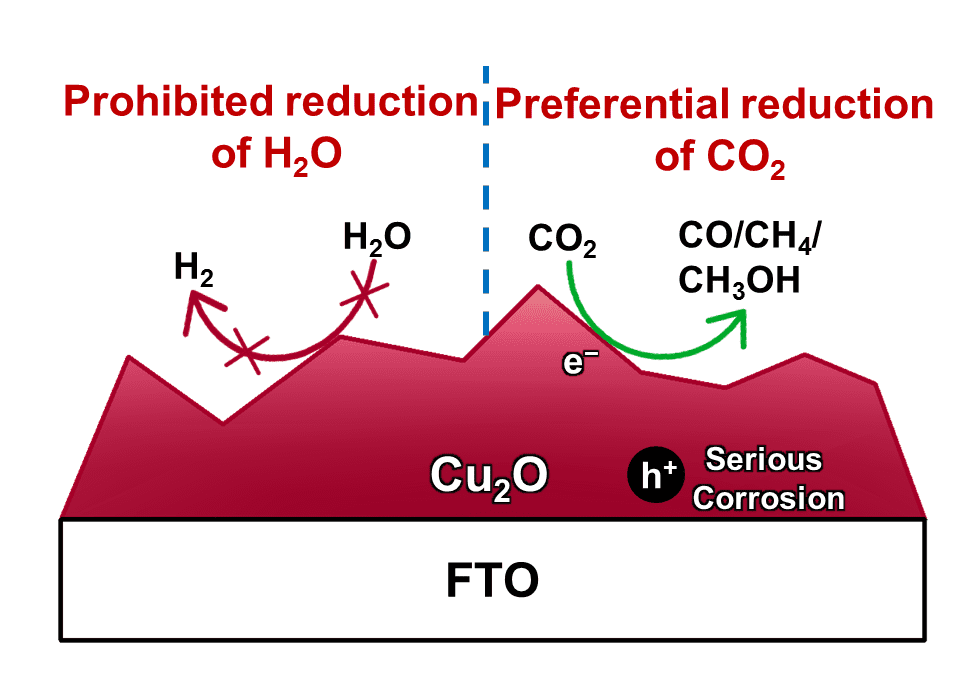
A simple and effective system for photocatalytic CO2 reduction is proposed
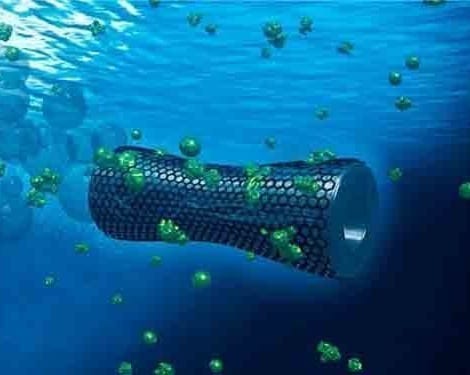
Max Planck researchers have developed self-propelled tiny ‘microbots’ that can remove lead or organic pollutions from contaminated water.
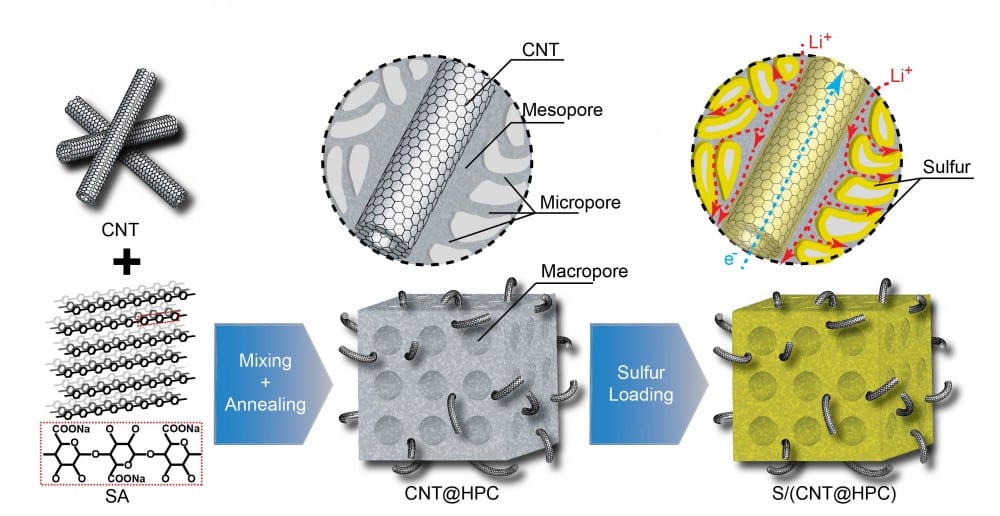
Researchers from the Hefei University of Technology and University of Science and Technology of China have improved the cathode performance in lithium-sulfur batteries by embedding carbon nanotube networks within porous carbon.

Opinion: We can’t have a clean-energy revolution without molecules, polymers and materials. But what have we really done to help win the war against climate change?


 Micron-sized hidden dimensions could solve two of physics’ deepest puzzles
 Turning Periods into Power: Menstrual Blood a Valuable Resource for Medical Diagnostics
 Surfactants Steer Supraparticle Structure
 Bone loss in obesity traced to gut microbiota
 Edible electronics realize safe, complex monitoring devices
 Fermilab Confirms Muon g-2 Measurements