Findings could lead to better performance in lithium-ion batteries in electric vehicles, medical equipment and aircraft.
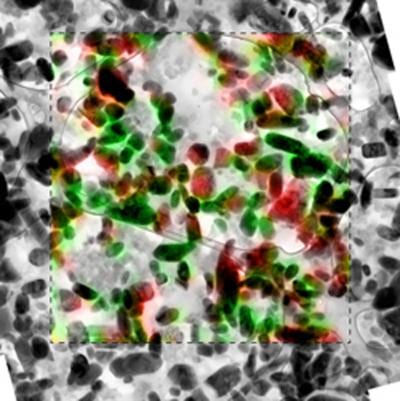

Findings could lead to better performance in lithium-ion batteries in electric vehicles, medical equipment and aircraft.
Lanthanum aluminum oxide and strontium titanium oxide make conducting system when sandwiched together – Stanford researchers have investigated why.
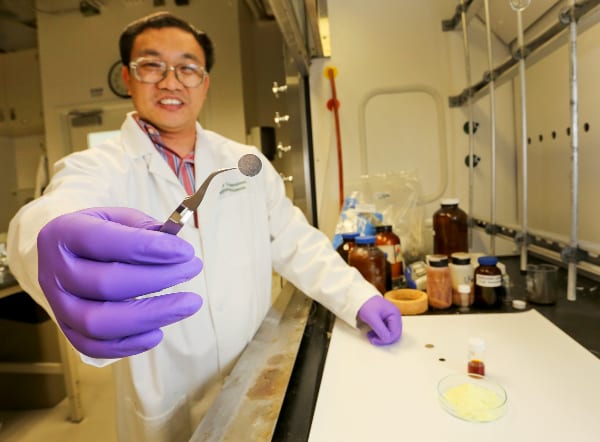
New all-solid sulfur-based battery outperforms lithium-ion technology.
LithFire-X has been awarded patent protection for a system to contain and extinguish lithium ion battery fires in electric energy storage configurations.
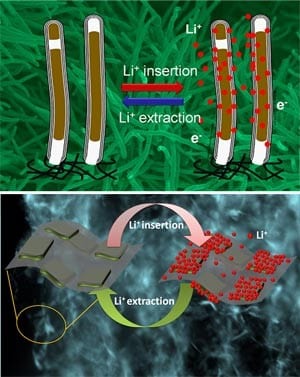
Scientists from the National Center for Nanoscience and Technology of China develop high-performance electrode materials for lithium-ion batteries.

Two scientists have received a grant from the Research Corporation for Science Advancement to devise a new method for gleaning hydrogen fuel from water.
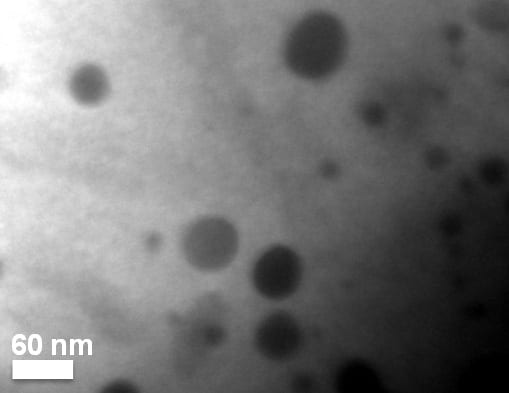
Nanoengineering boosts semiconducting material’s ability to convert heat into power by 200 percent and its electrical conductivity by 43 percent.
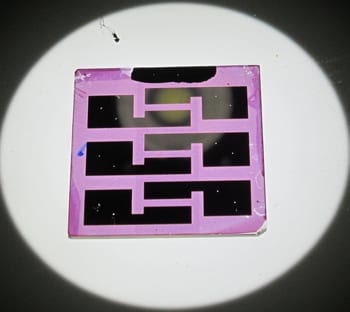
Solar cells created by laboratories at Rice and Pennsylvania State universities could open the door to research on a new class of solar energy devices.

Organic photovoltaic materials may lead to solar cells that produce more power and cost less.
“Cradle to grave” study of advanced Li-ion batteries recently completed by Abt Associates for the U.S. Environmental Protection Agency (EPA).


 Micron-sized hidden dimensions could solve two of physics’ deepest puzzles
 Turning Periods into Power: Menstrual Blood a Valuable Resource for Medical Diagnostics
 Surfactants Steer Supraparticle Structure
 Bone loss in obesity traced to gut microbiota
 Edible electronics realize safe, complex monitoring devices
 Fermilab Confirms Muon g-2 Measurements