Understanding the mechanisms that regulate coordinated growth in the body and the remarkable parallels between species allows scientists to create a universal model for morphological scaling.
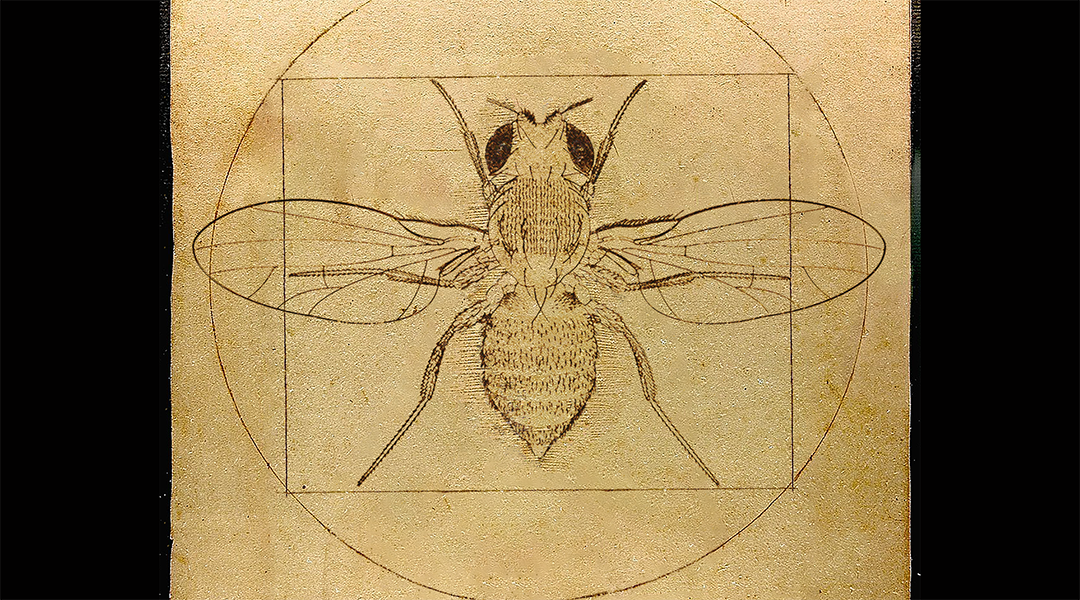

Understanding the mechanisms that regulate coordinated growth in the body and the remarkable parallels between species allows scientists to create a universal model for morphological scaling.

RNA plays a fundamental role in our health and biology, and advancements in imaging techniques are expanding our understanding of its life cycle.

Researchers have successfully induced a hibernation-like state in non-hibernating rodents, suggesting the possibility of synthetic hibernation for humans.

If bumblebees find too little pollen, they pierce the leaves of non-flowering plants in order to force them to produce flowers more quickly.
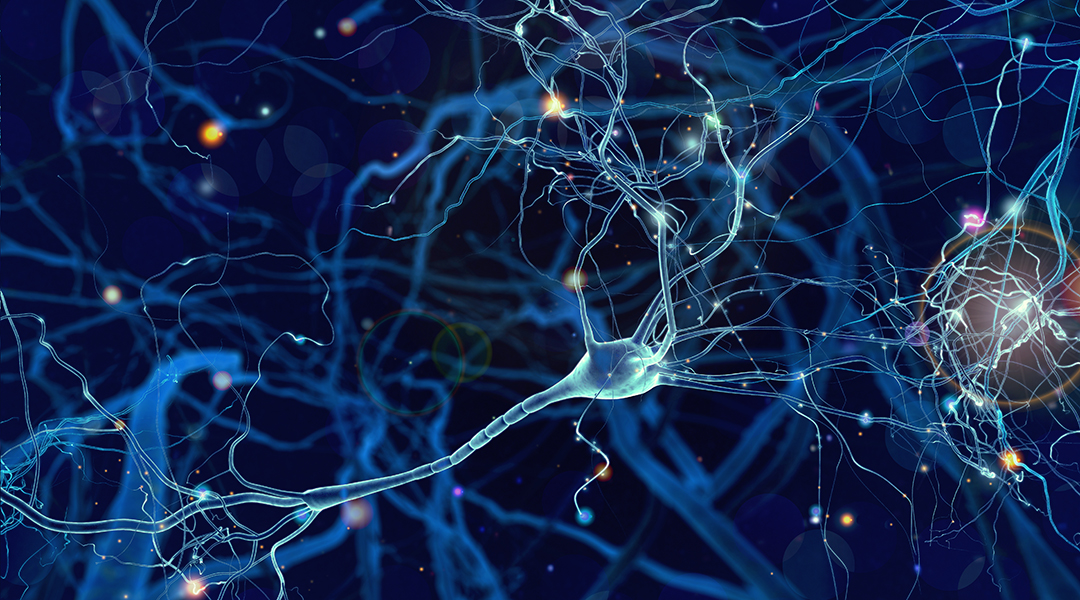
Identifying the critical questions regarding long distance regressive signaling and how they are important for understanding nervous system development and pathogenesis in neurodegeneration.

Through veiled mirrors: Fish fins help researchers understand relative growth and proportion in developmental biology.
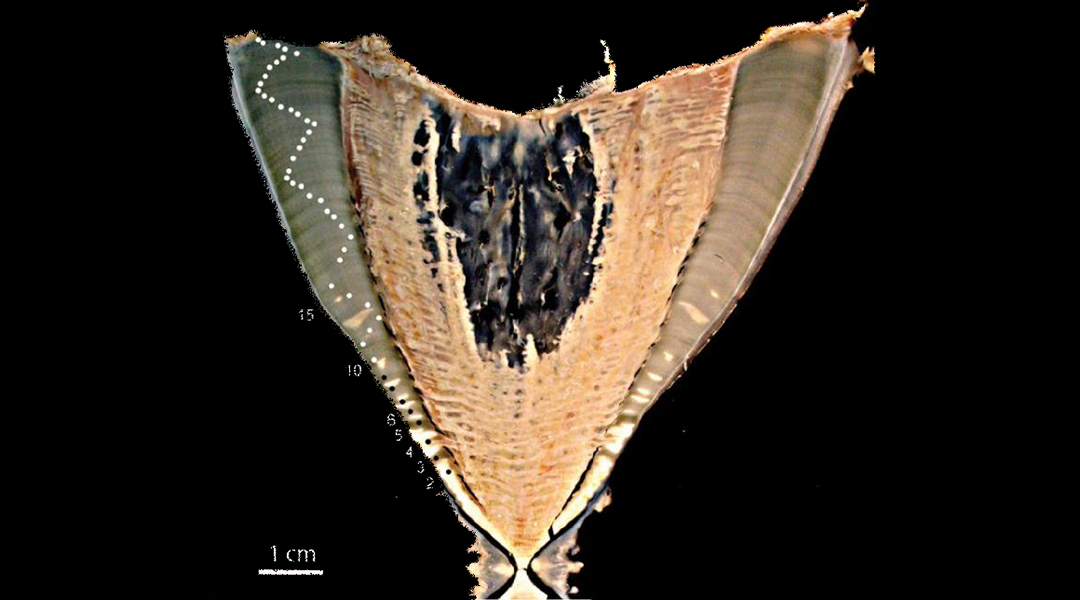
The radioactive legacy of the arms race solves a mystery about the world’s largest fish.
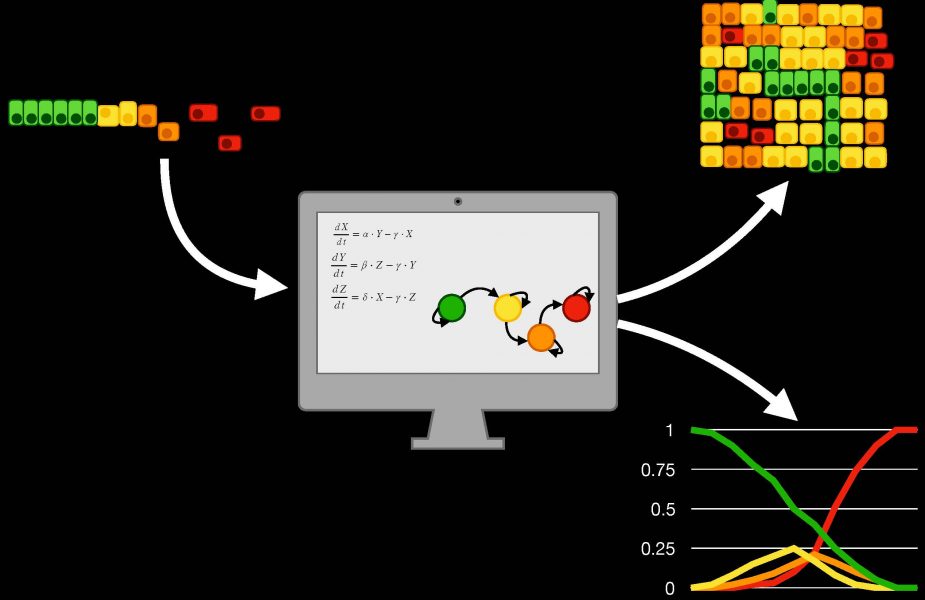
Computational modelling enhances the multidisciplinary approach to understanding the epithelial-to-mesenchymal transition in cancer metastasis.

Computer modeling decodes the chemistry carried out by complex DNA repair enzymes to remove DNA damage caused by environmental exposure.

Exploring advances in extracellular vesicles research made in the last ten-years and how its leading to better clinical applications.
 New theory suggests gravity is not a fundamental force
 Higgs boson may be driving the Universe’s expansion
 Water-powered gadgets may be on the horizon thanks to new evaporation-based energy device
 Scientists discover a new class of antibiotics
 Micron-sized hidden dimensions could solve two of physics’ deepest puzzles
 A new type of dark matter could explain mysterious radiation from the Milky Way’s core