A new hypothesis explores how potassium came to be the dominant biological cation.

A new hypothesis explores how potassium came to be the dominant biological cation.
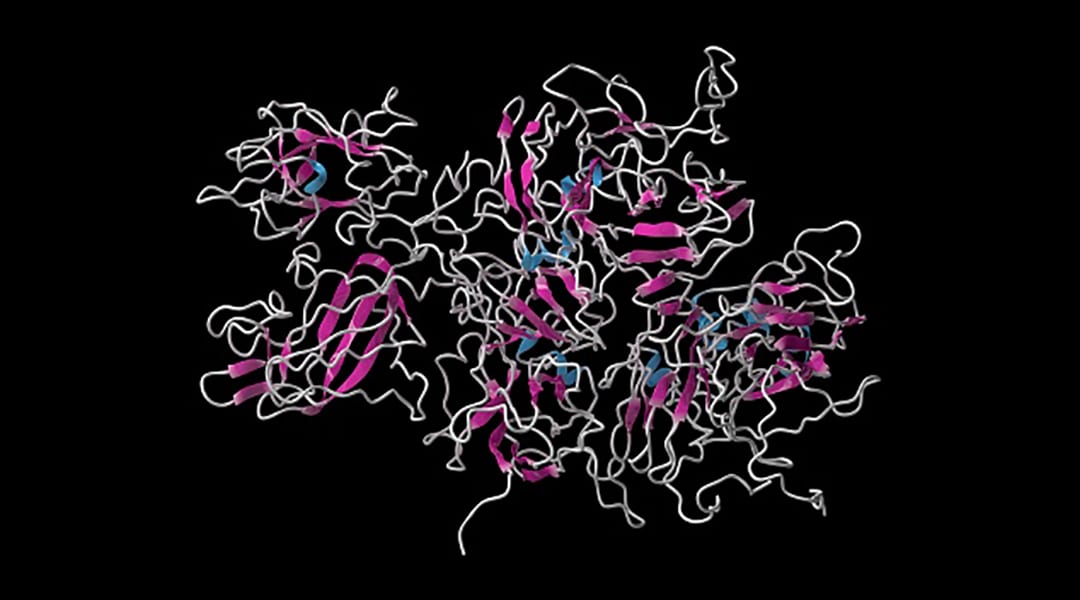
Using their deep-learning program, AlphaFold, researchers predict the 3D structure of proteins using only their linear amino acid sequence, revolutionizing computational biology as we know it.

In a survey of biomaterials articles that included cell culture experiments, only 3.7% of studies reported the sex of the cells.
Understanding how gluten affects the gut is a key to understanding whether gluten-free diets are merely a fad or based in solid science.
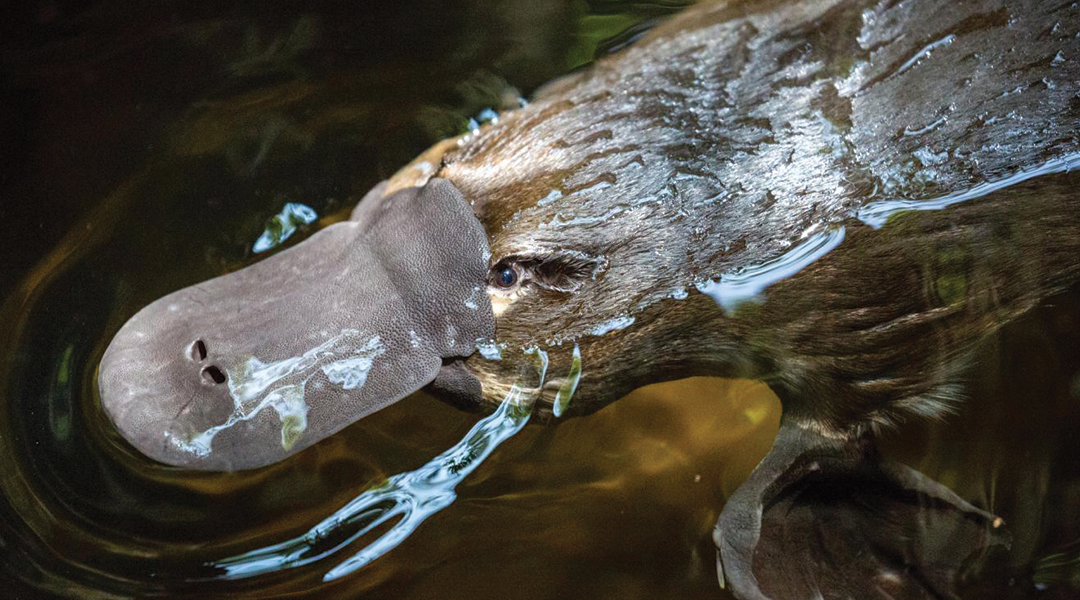
This phenomenon is spread over such a broad range of the mammalian evolutionary tree that researchers are beginning to wonder if the “proto-mammal” shared the same trait.
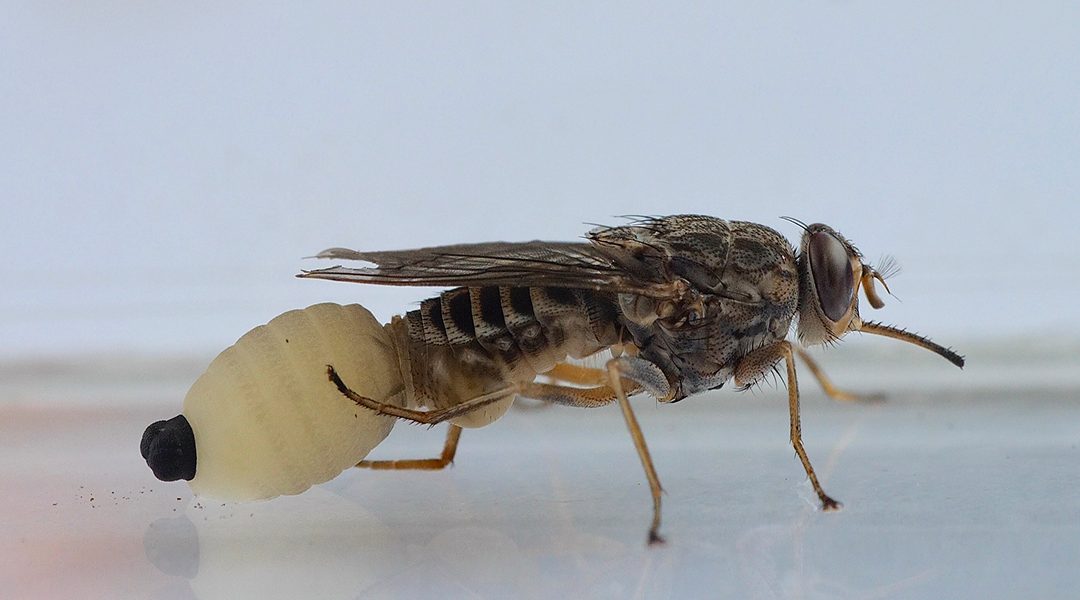
Tsetse flies, which miraculously birth young bigger than the mother, show us what science is about.
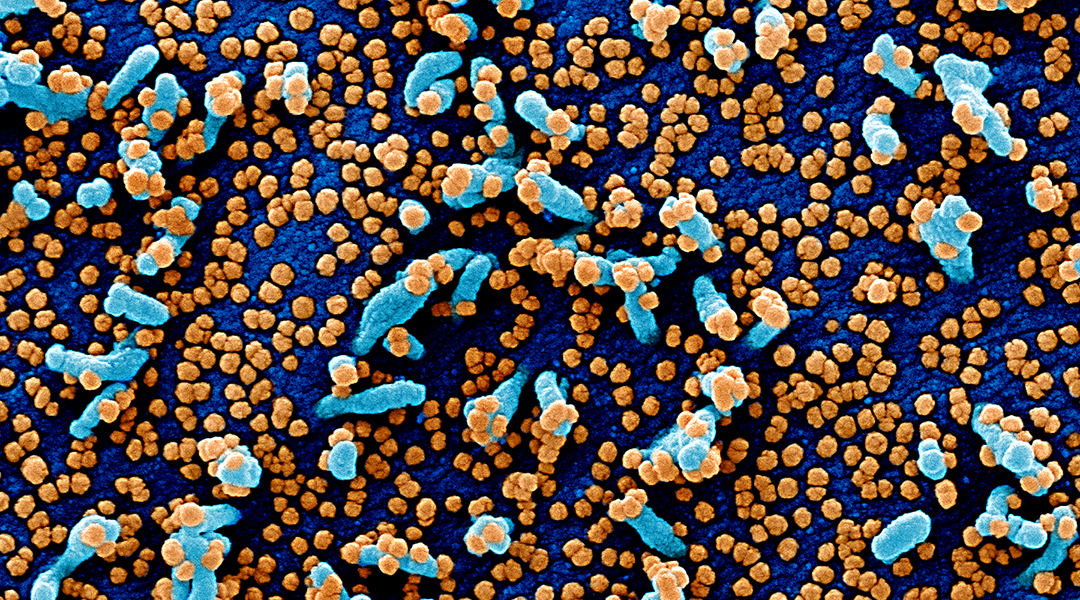
New study finds coronaviruses are masters of mimicry, reproducing their host’s immune proteins to remain invisible and help promote infection.

Computational chemistry is key to understanding the unusual properties of eumelanin.
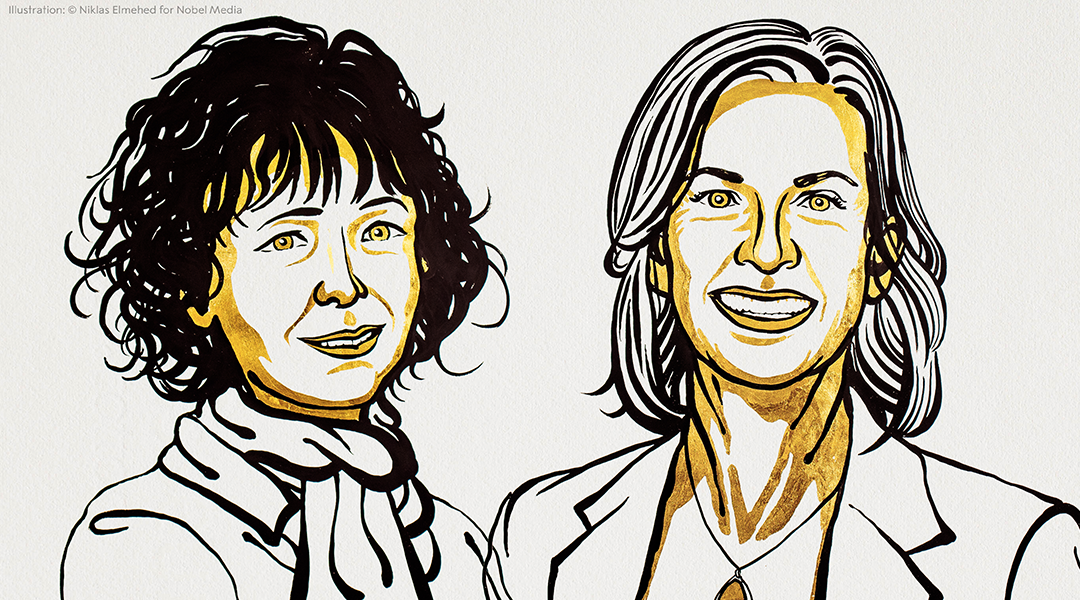
For the first time, two women share the Nobel prize for chemistry. Their work with CRISPR helped usher in a new generation of precision genome editing.

New research is uncovering the importance of small predatory species in shaping ecosystems and managing threatened populations.
 New theory suggests gravity is not a fundamental force
 Higgs boson may be driving the Universe’s expansion
 Water-powered gadgets may be on the horizon thanks to new evaporation-based energy device
 Scientists discover a new class of antibiotics
 Micron-sized hidden dimensions could solve two of physics’ deepest puzzles
 A new type of dark matter could explain mysterious radiation from the Milky Way’s core