A membrane embedded with magnetic microdisks mechanically stimulates pancreatic cells to produce insulin, which could help treat diabetes.
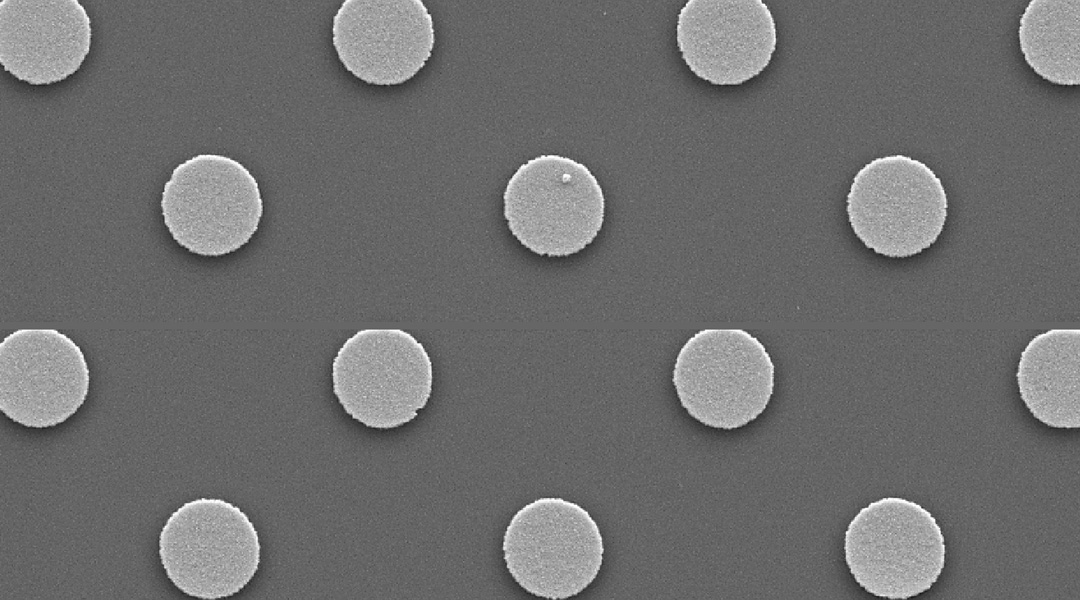


A membrane embedded with magnetic microdisks mechanically stimulates pancreatic cells to produce insulin, which could help treat diabetes.

Not just pretty pictures: Borneo-based wildlife photographer and conservationist Chien Lee has a deeper message.
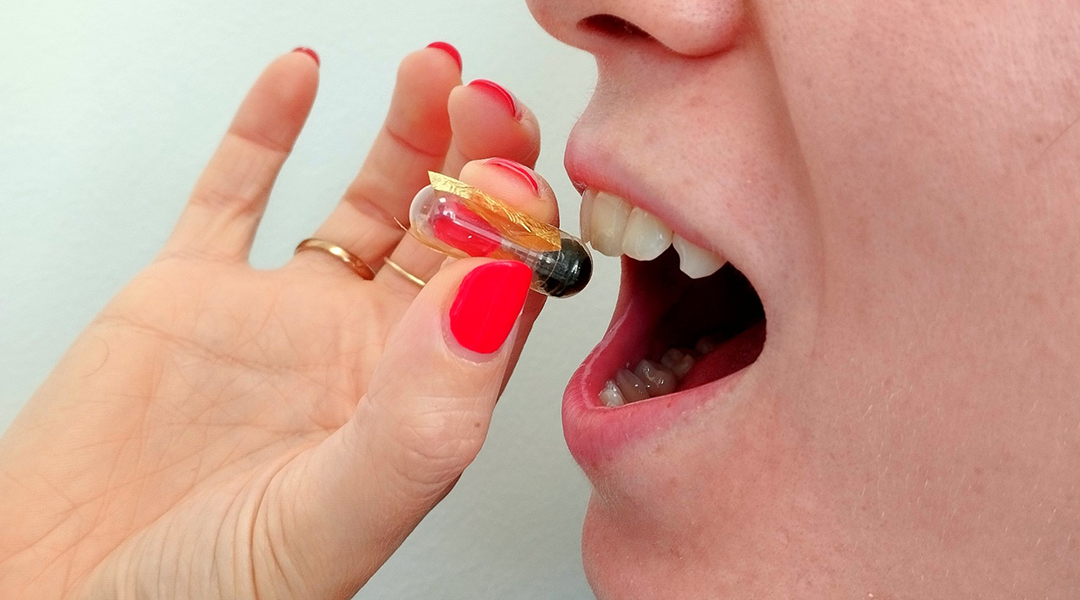
A partially edible robot based on a fully edible sensor addresses the burden of electronic waste while simultaneously acting as a nutrition source.

A political theorist argues that overpopulation concern is not a morally defensible reason to stifle life-extending interventions as the climate warms.

Scientists are delving into the future of hair loss treatments, from macromolecules to laser therapies and CRISPR gene editing.

Scientists are exploring how to store and transport ready-to-use bioink cartridges to treat injuries on the International Space Station.

Researchers have successfully induced a hibernation-like state in non-hibernating rodents, suggesting the possibility of synthetic hibernation for humans.
How should doctors navigate murky ethical territory throughout the COVID-19 pandemic?
Researchers have mapped the immune response of one of Australia’s first COVID-19 patients.

Older individuals in low- and middle-income countries are considered to be the most vulnerable to COVID-19 but have yet to be properly acknowledged in global planning for the disease.