Researchers create a method to fine tune the properties of nanoparticles, making them a promising treatment for cancer.
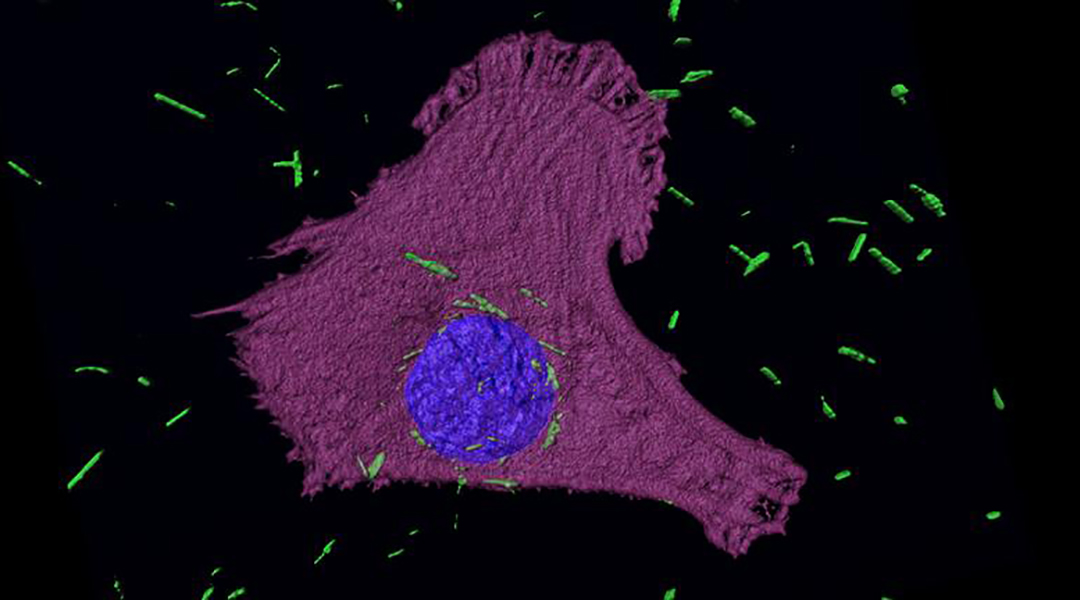


Researchers create a method to fine tune the properties of nanoparticles, making them a promising treatment for cancer.

Tiny moon shadows may harbor hidden stores of ice.
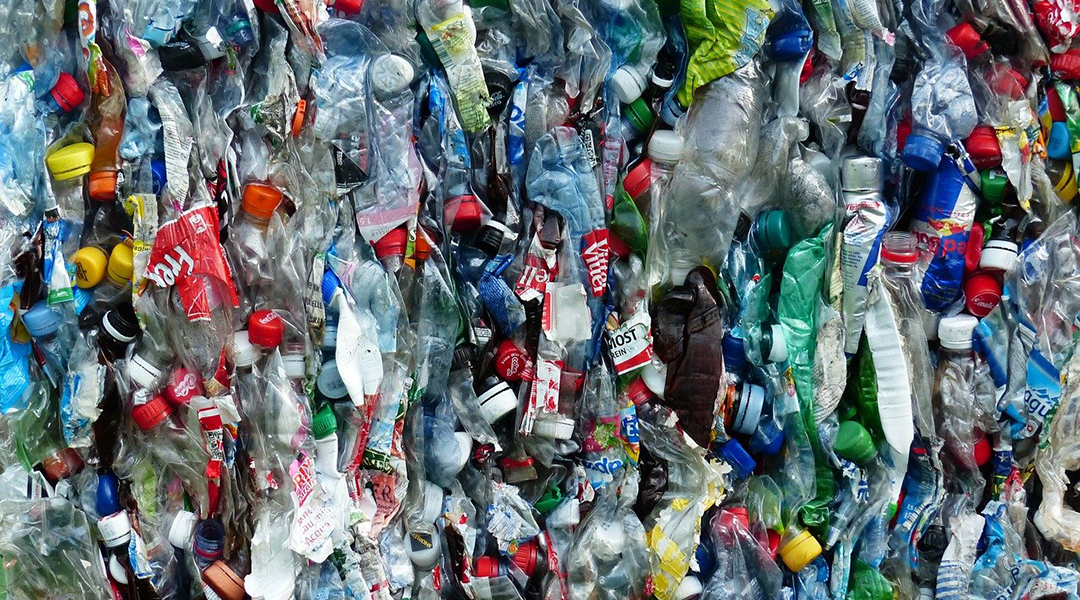
Researchers develop an efficient, low-energy method for upcycling polyethylene plastic waste into valuable molecules that can be repurposed for further use.

Measures that could have been taken at the beginning of the pandemic were not implemented as precautionary preparation but rather as reactionary to an already spreading virus, making it hard to contain.
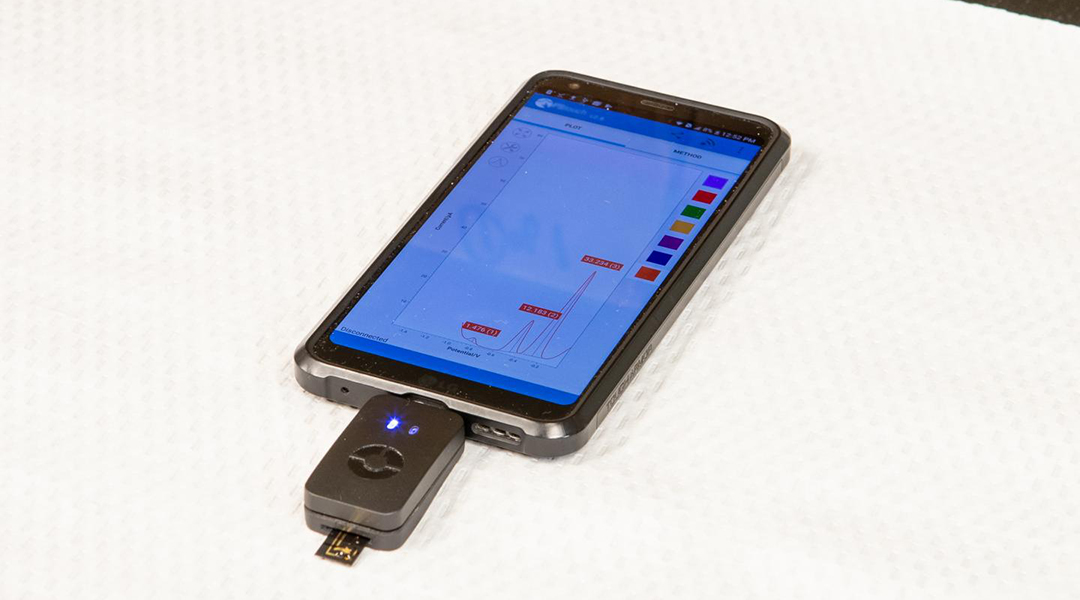
Canadian researchers create technology that reads cancer biomarker like a blood-sugar monitor.

Much like a zipper, carbene molecules cooperate on a gold surface to join two rows of atoms into one row, resulting — step by step — in a new surface structure.
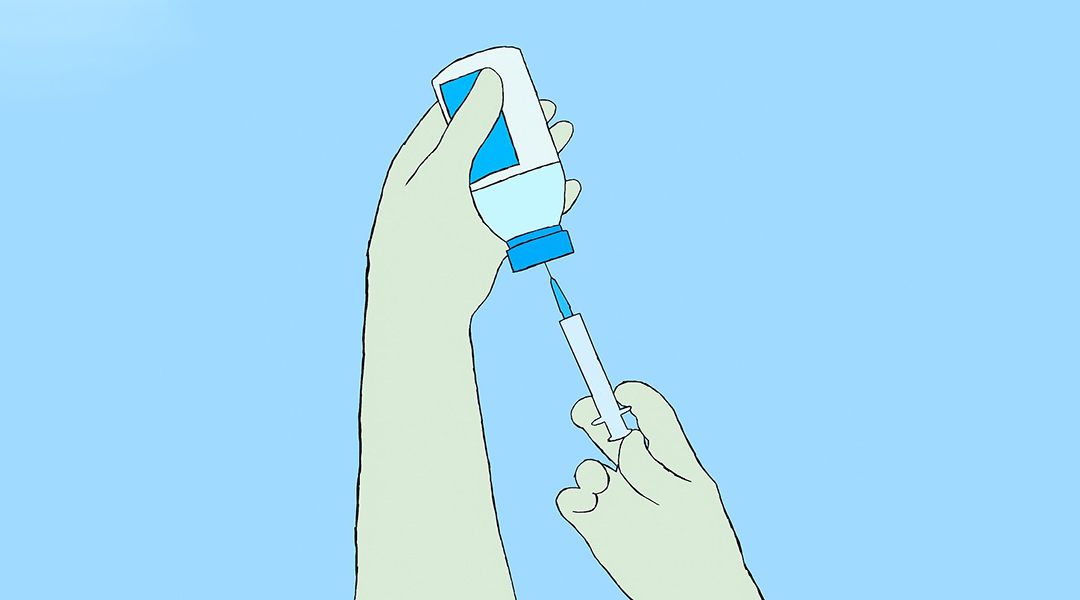
With computer models and lab experiments, researchers are working on a strategy for vaccines that could protect against any influenza virus.
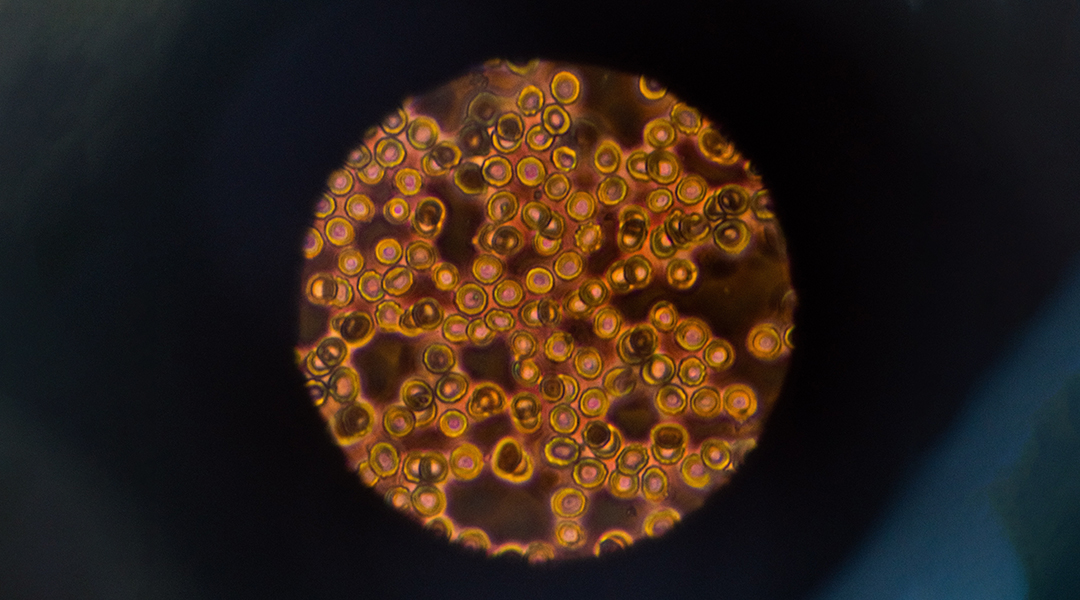
A new mechanism to produce powerful biodegradable elastomers with a promising future in tissue regeneration.
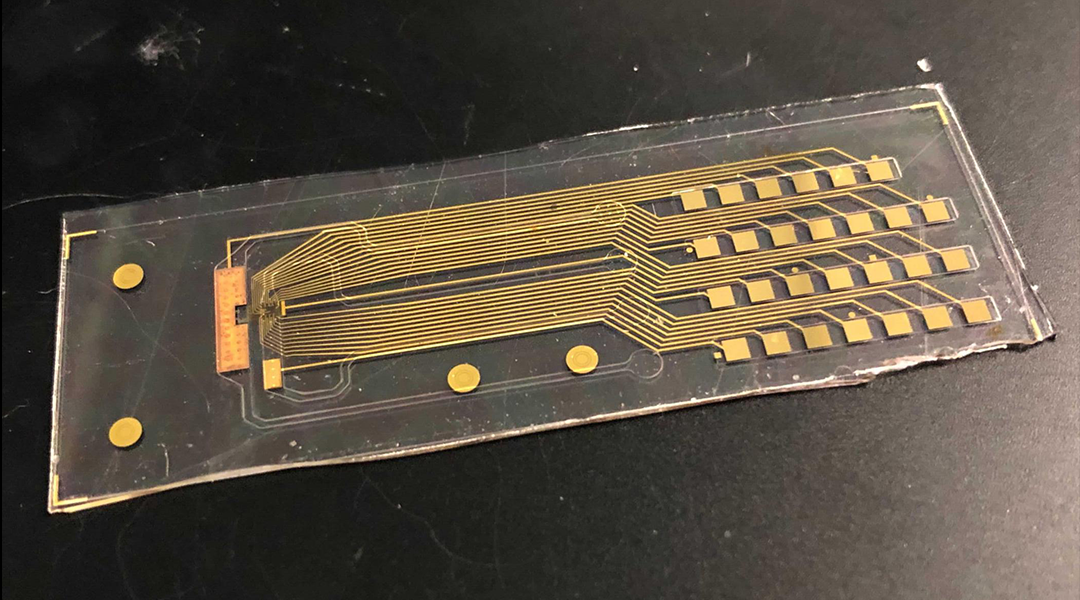
Driven by a machine learning algorithm, the closed-loop biohybrid device maintained a set membrane voltage in human stem cells for 10 hours.
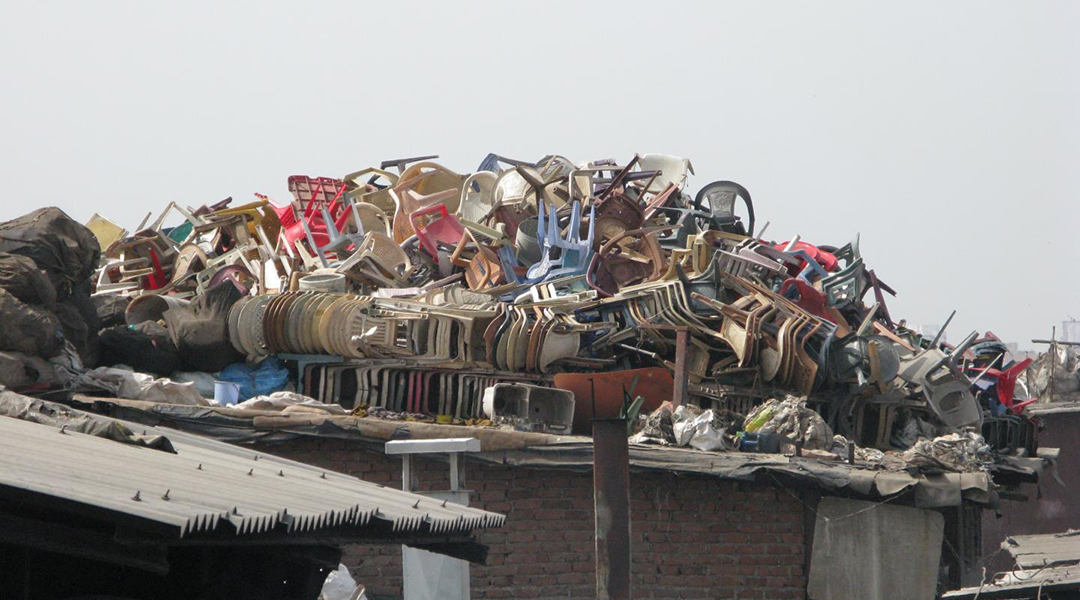
Unless growth in plastic production and use is halted, a fundamental transformation of the plastic economy to a framework based on recycling is essential.