Scientists uncover how a sensor protein activates our immune system against the common cold. The findings may lead to more effective treatments of flu-like symptoms.



Scientists uncover how a sensor protein activates our immune system against the common cold. The findings may lead to more effective treatments of flu-like symptoms.

Developments in pathogen-detecting materials could provide an easy means of detecting viruses within public places.

New research indicates that limited resources on Earth’s satellite could cause crowding and competition as site selection, extraction become reality.
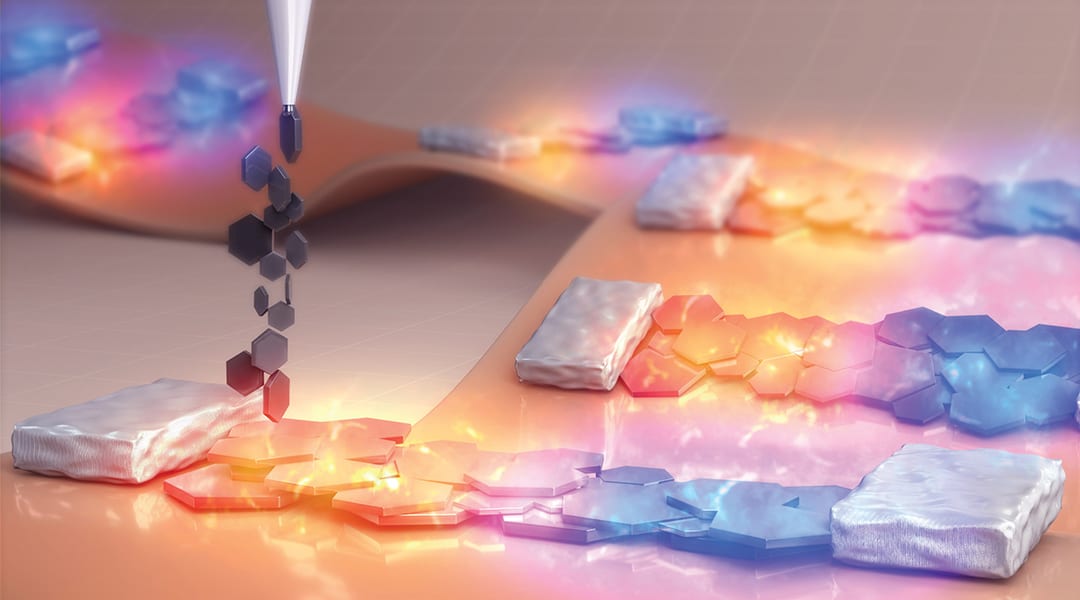
A simple approach to create high performance thermoelectric materials, which would allow one to turn their body heat into electricity.
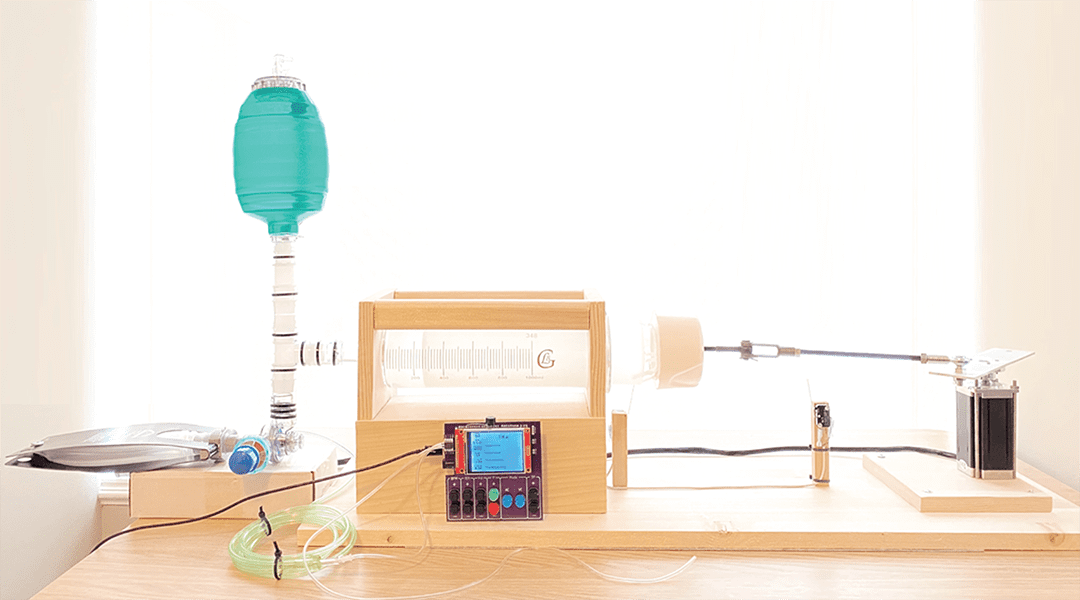
The procurement and maintenance of high‐end ventilators limits their use in emergency situations. By removing the “frills”, researchers create a viable alternative.

In a survey of biomaterials articles that included cell culture experiments, only 3.7% of studies reported the sex of the cells.

A new blood-derived embolic material with regenerative properties stops bleeding instantly, even in cases of impaired coagulation.

Complex 3D nanoscale architectures based on DNA self-assembly can conduct electricity without resistance and may provide a platform for fabricating quantum computing and sensing devices.
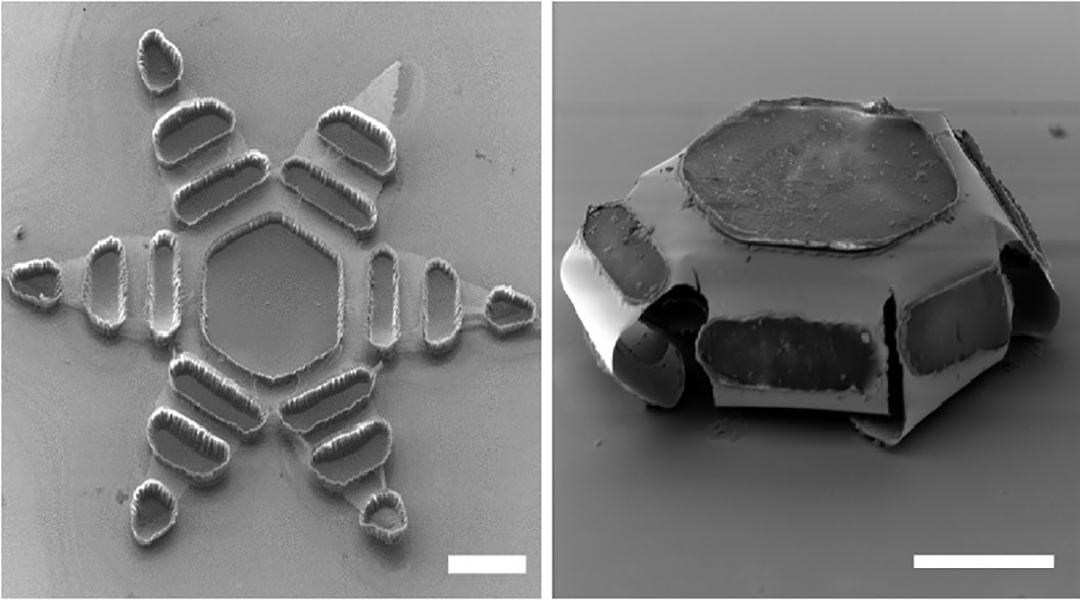
“Theragrippers” are inspired by a parasitic worm that clamps onto its host’s intestines.
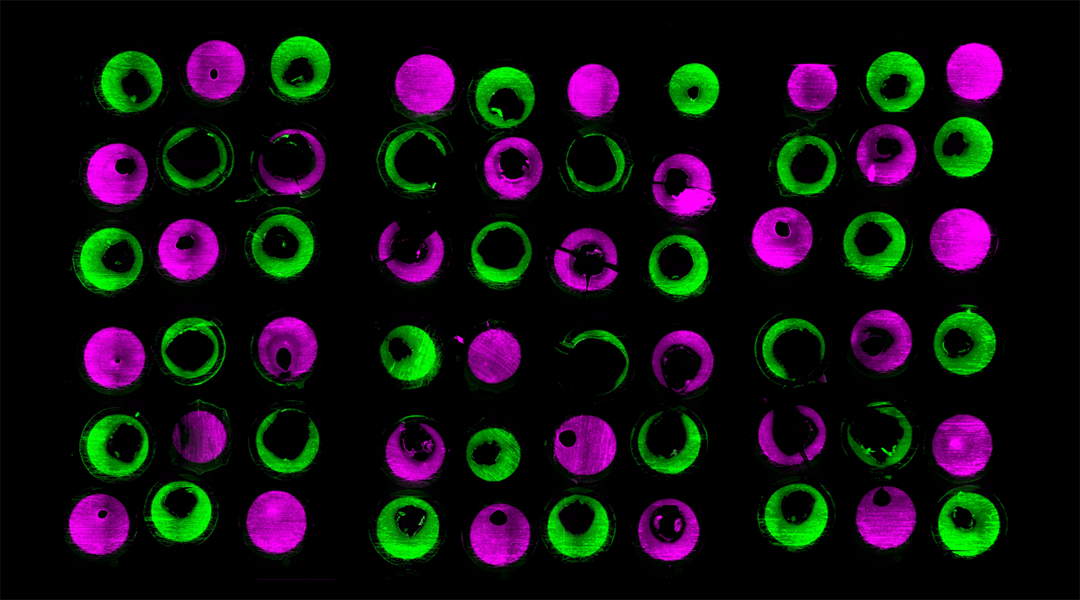
From micrometer-sized nanoflowers to hydrogel hearts, this edition of “This month in pictures” features more intriguing images from our journals and the science behind them.