Absorbent nanostructures can neutralize pore-forming toxins and remove a broad class of dangerous toxins.
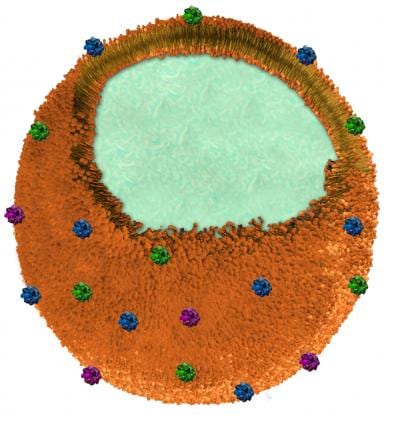


Absorbent nanostructures can neutralize pore-forming toxins and remove a broad class of dangerous toxins.
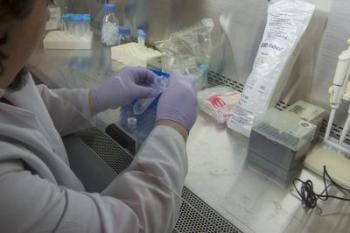
Project is titled “Silicon-based Biomaterials for an Electrical Study of Single-Neuron Dynamics.”
Ultrathin, flexible optoelectronic devices – including LEDs the size of individual neurons – are lighting the way for scientists in optogenetics and beyond.

SKZ managing director of further training and education has passed away aged 57.
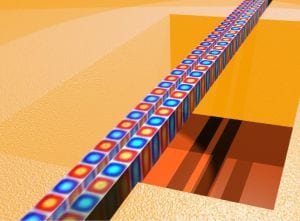
Pernice group at KIT use polycrystalline diamond for the fabrication of wafer-based optomechanical circuits.

Company claims that next-generation materials have four times the capacity of current anodes.
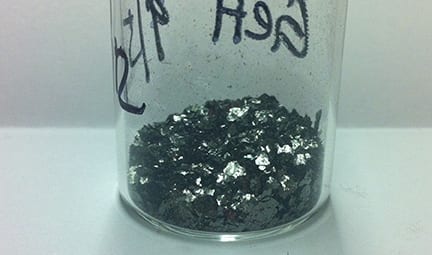
Thin germanium films, with properties similar to graphene, could lead to lighter, faster electronics.
Companies have agreed to co-develop new methods to reduce overall cost of ownership for Extreme UltraViolet and lithography.
McGill researchers demonstrate new way to control light in semiconductor nanocrystals.
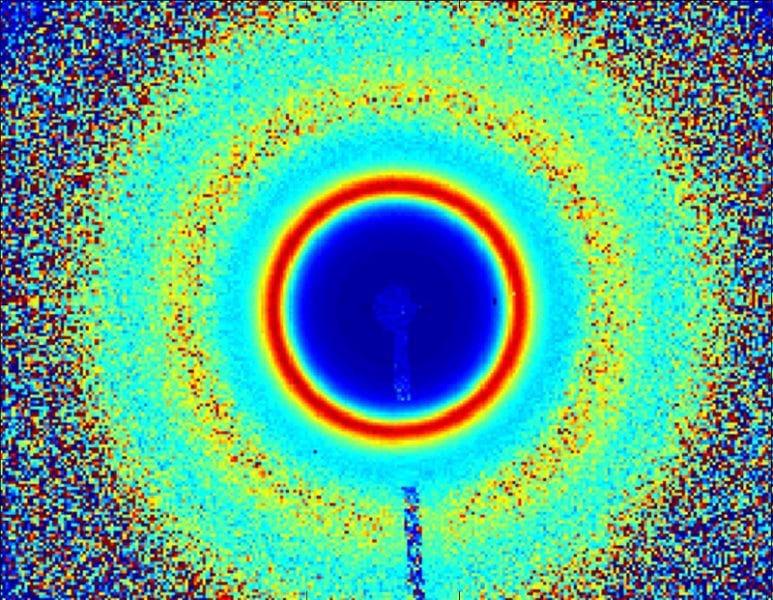
Researchers establish missing link between mechanical and structural properties of glass.