Researchers at the Department of Energy’s Oak Ridge National Laboratory have reported progress in fabricating advanced materials at the nanoscale.
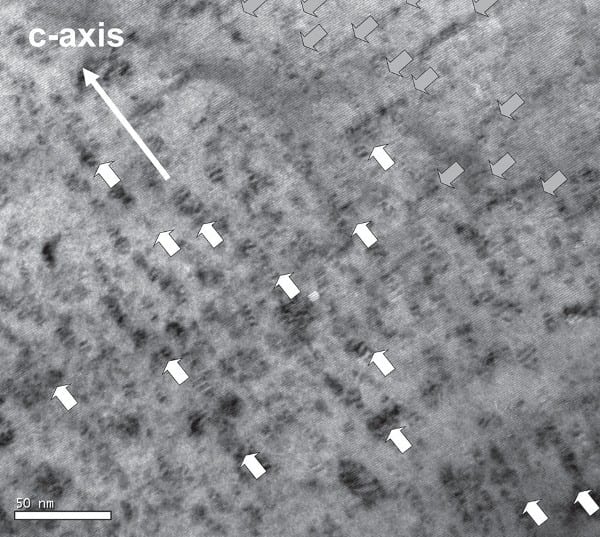

Researchers at the Department of Energy’s Oak Ridge National Laboratory have reported progress in fabricating advanced materials at the nanoscale.
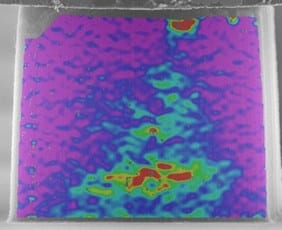
Researchers at the Air Force Research Laboratory and the University of Michigan have used DIC to map the deformation and strain of compressed CNT arrays.
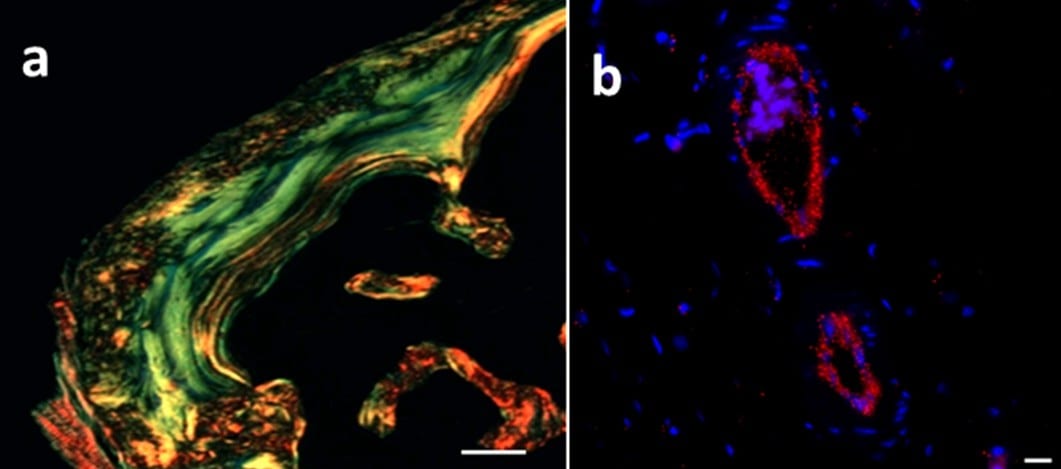
Researchers from Uppsala University highlight a polymer synthesis strategy for biomaterials that could provide a boost for tissue regeneration research.
CAS researchers report an improved method to fabricate Cu/SWCNT/Cu sandwich-type laminated nanocomposites.
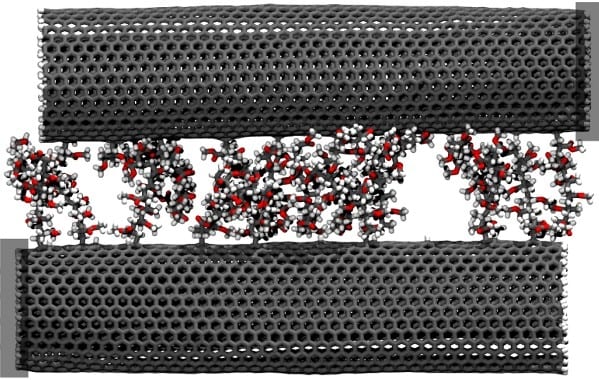
Researchers have combined nanomechanical shear experiments with multiscale simulations to try to understand the interactions between bare carbon nanotubes.
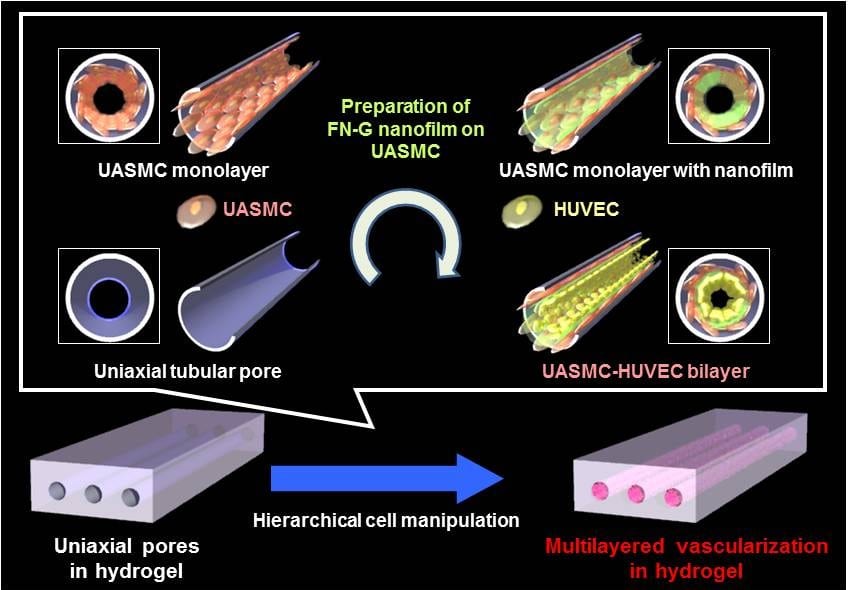
Blood capillary analogues have been developed in a biodegradable hydrogel as a promising platform for in vitro drug testing.
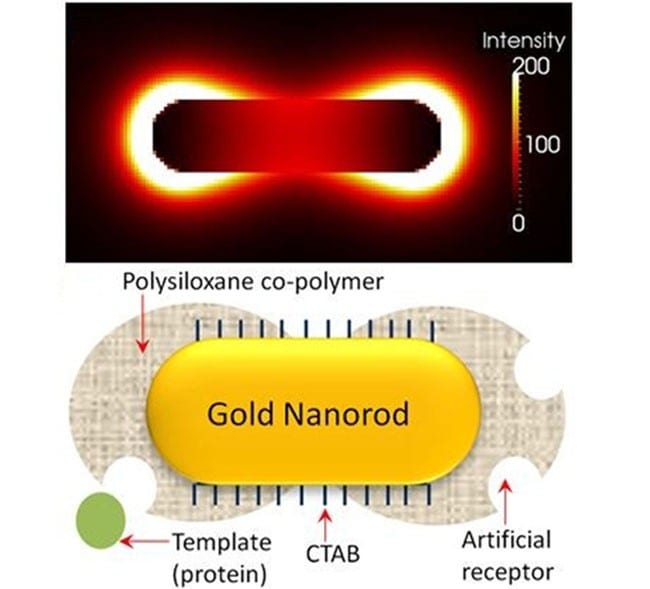
Researchers use molecular imprinting to develop a highly sensitive and selective nanorod biosensor with artificial antibodies.
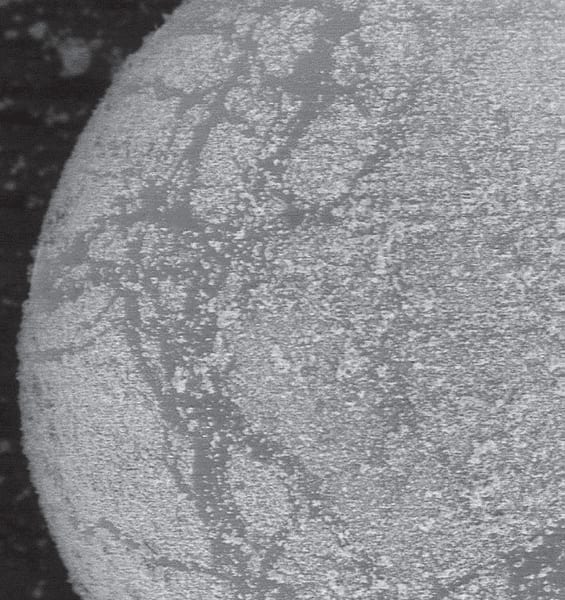
Researchers have developed a new system using galinstan liquid metal and nanoparticles, in what could be a major development for flexible and self-repairing electronics.

Researchers report on the prediction of low cycle, high cycle and combined cycle fatigue in turbine blades using the crack closure code FASTRAN.
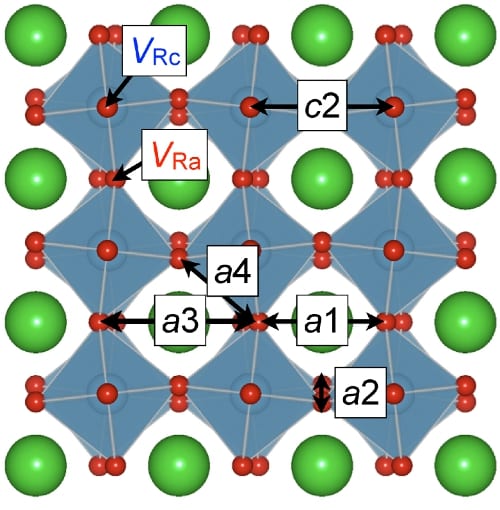
Researchers have obtained new insights into the atomistic and electronic structure of the oxygen vacancy in SrTiO3 through first-principles calculations.

 Micron-sized hidden dimensions could solve two of physics’ deepest puzzles
 Turning Periods into Power: Menstrual Blood a Valuable Resource for Medical Diagnostics
 Surfactants Steer Supraparticle Structure
 Bone loss in obesity traced to gut microbiota
 Edible electronics realize safe, complex monitoring devices
 Fermilab Confirms Muon g-2 Measurements