Researchers from Uppsala University highlight a polymer synthesis strategy for biomaterials that could provide a boost for tissue regeneration research.
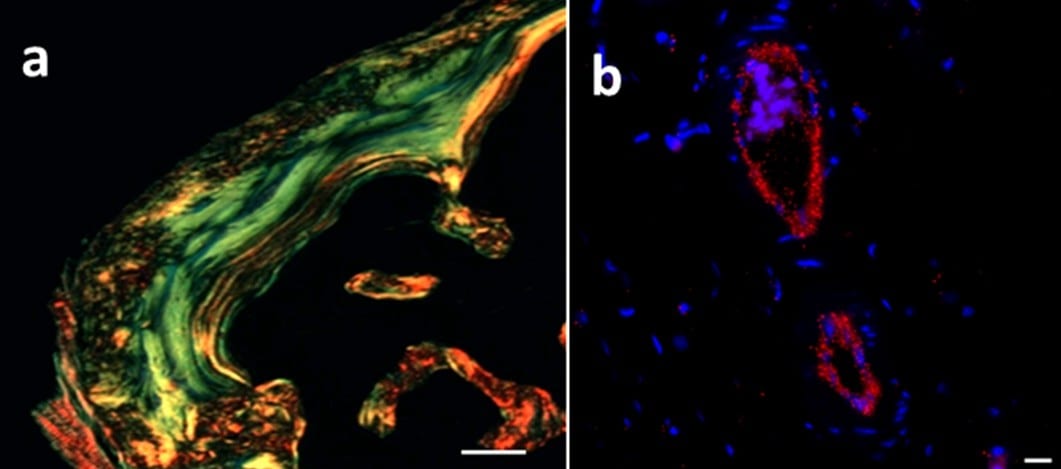

Researchers from Uppsala University highlight a polymer synthesis strategy for biomaterials that could provide a boost for tissue regeneration research.
CAS researchers report an improved method to fabricate Cu/SWCNT/Cu sandwich-type laminated nanocomposites.
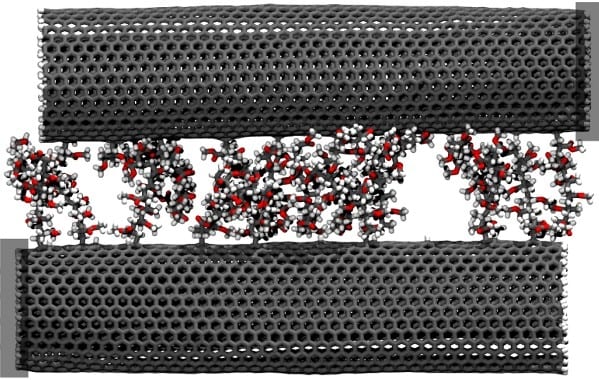
Researchers have combined nanomechanical shear experiments with multiscale simulations to try to understand the interactions between bare carbon nanotubes.
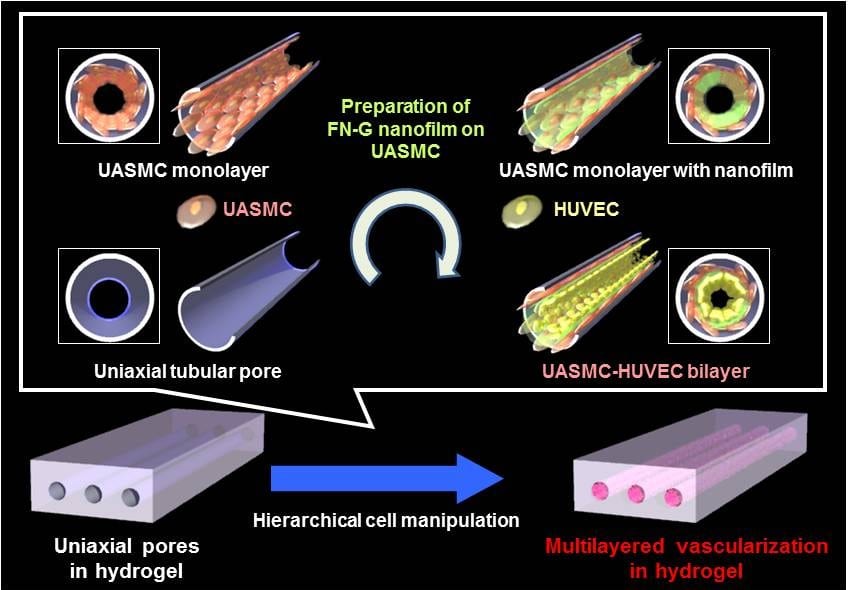
Blood capillary analogues have been developed in a biodegradable hydrogel as a promising platform for in vitro drug testing.
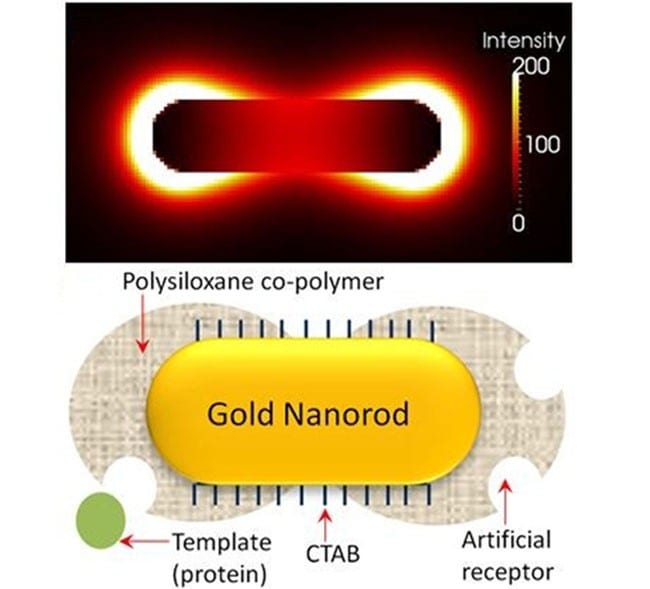
Researchers use molecular imprinting to develop a highly sensitive and selective nanorod biosensor with artificial antibodies.
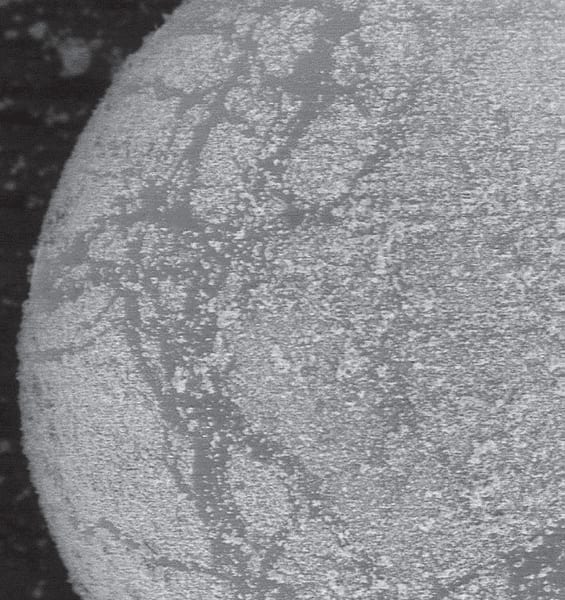
Researchers have developed a new system using galinstan liquid metal and nanoparticles, in what could be a major development for flexible and self-repairing electronics.

Researchers report on the prediction of low cycle, high cycle and combined cycle fatigue in turbine blades using the crack closure code FASTRAN.
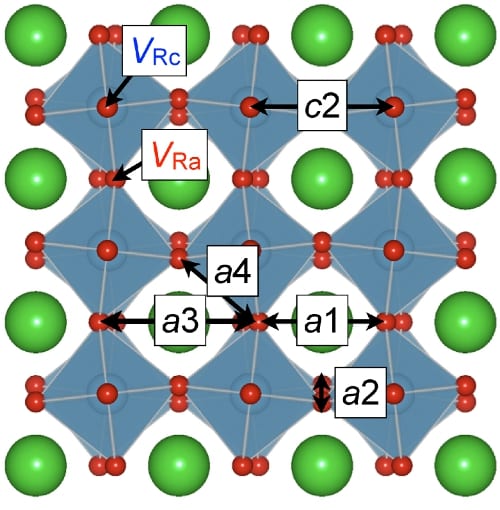
Researchers have obtained new insights into the atomistic and electronic structure of the oxygen vacancy in SrTiO3 through first-principles calculations.
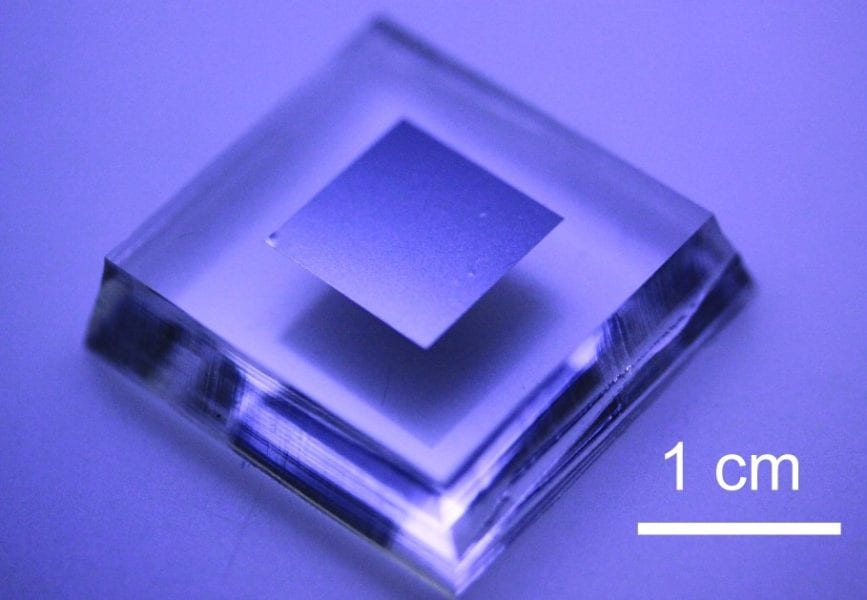
Korean researchers demonstrate a new, polymer-based method to fabricate electronic stickers to be used on unconventional surfaces such as clothing or skin.
The mechanical holdfast of mussels, the byssus, is used as inspiration in the development of pH-repsonsive mechanical properties in hydrogels.
 New theory suggests gravity is not a fundamental force
 Higgs boson may be driving the Universe’s expansion
 Water-powered gadgets may be on the horizon thanks to new evaporation-based energy device
 Scientists discover a new class of antibiotics
 Micron-sized hidden dimensions could solve two of physics’ deepest puzzles
 A new type of dark matter could explain mysterious radiation from the Milky Way’s core