A tiny battery built into smart contact lenses produces its own power through eye blinking, relying on tears and oxygen to power its cells.
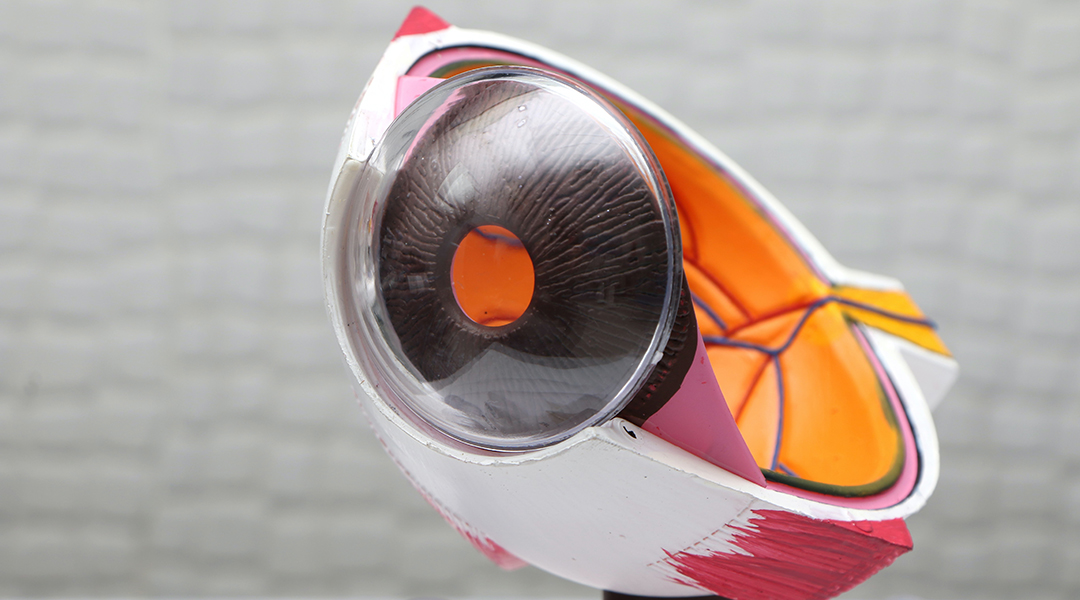

A tiny battery built into smart contact lenses produces its own power through eye blinking, relying on tears and oxygen to power its cells.
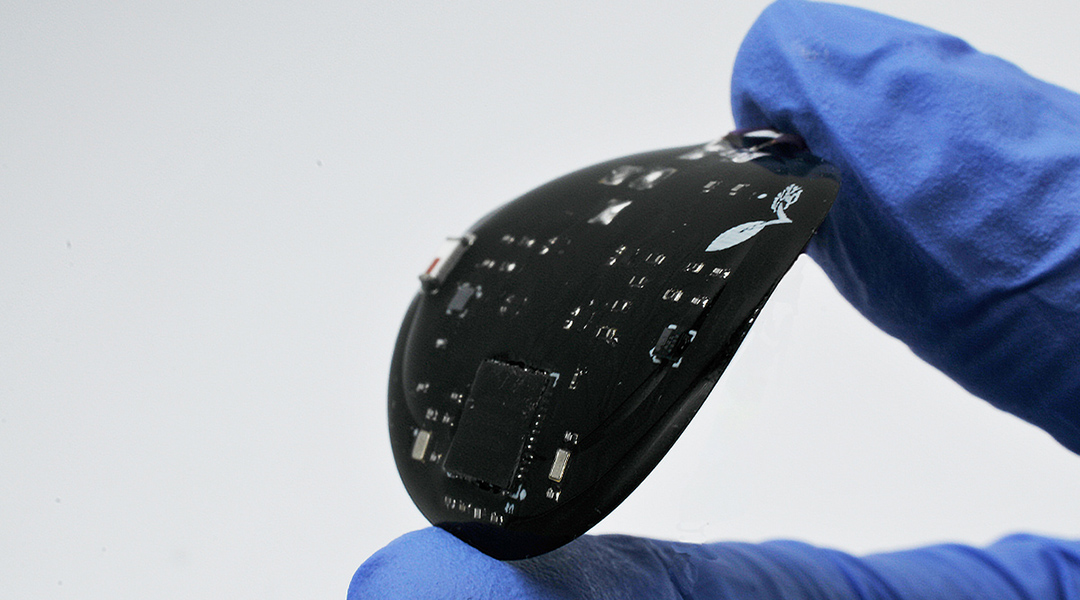
A team led by Wubin Bai developed a novel wearable sensor patch that provides a safe, real-time, less invasive and low-cost way to track a patient’s recovery.
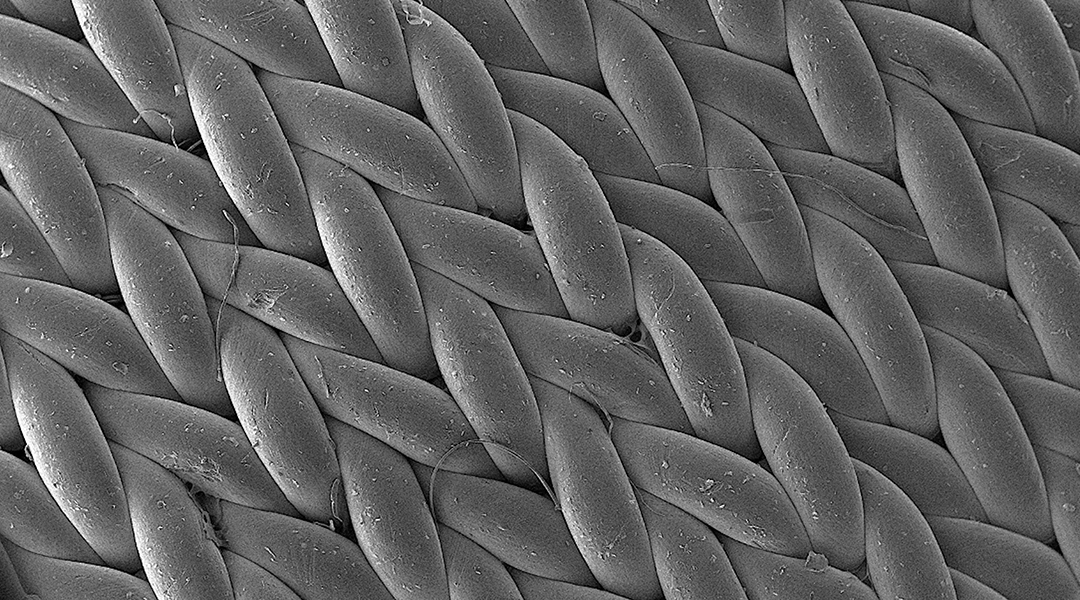
Wearable devices for health monitoring don’t have to be limited to just smart watches and fitness trackers.
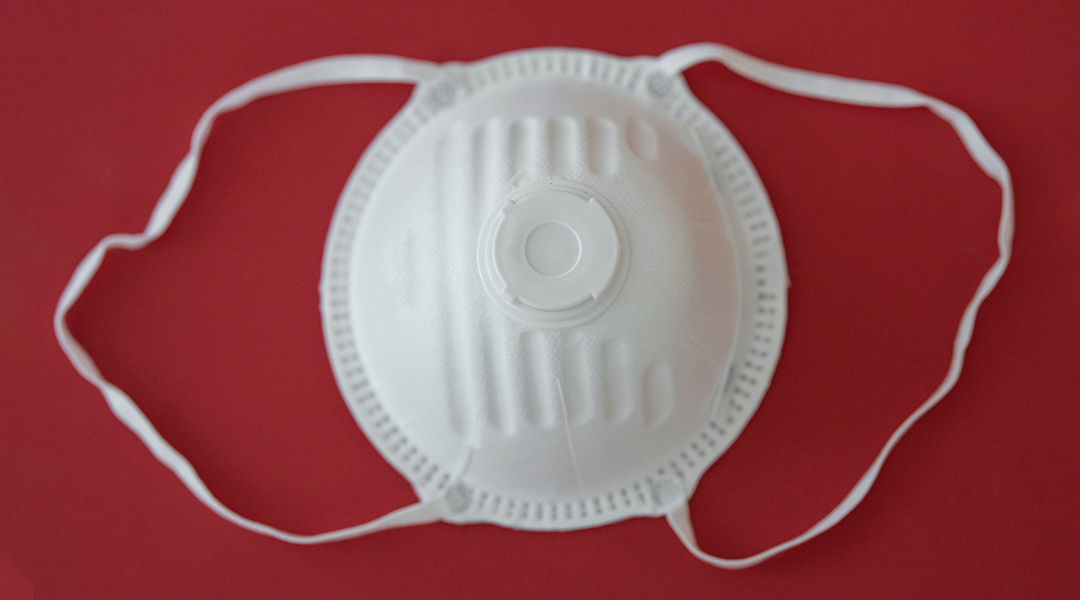
It’s well understood that any mask reduces the transmission of viral particles but some are more effective than others.
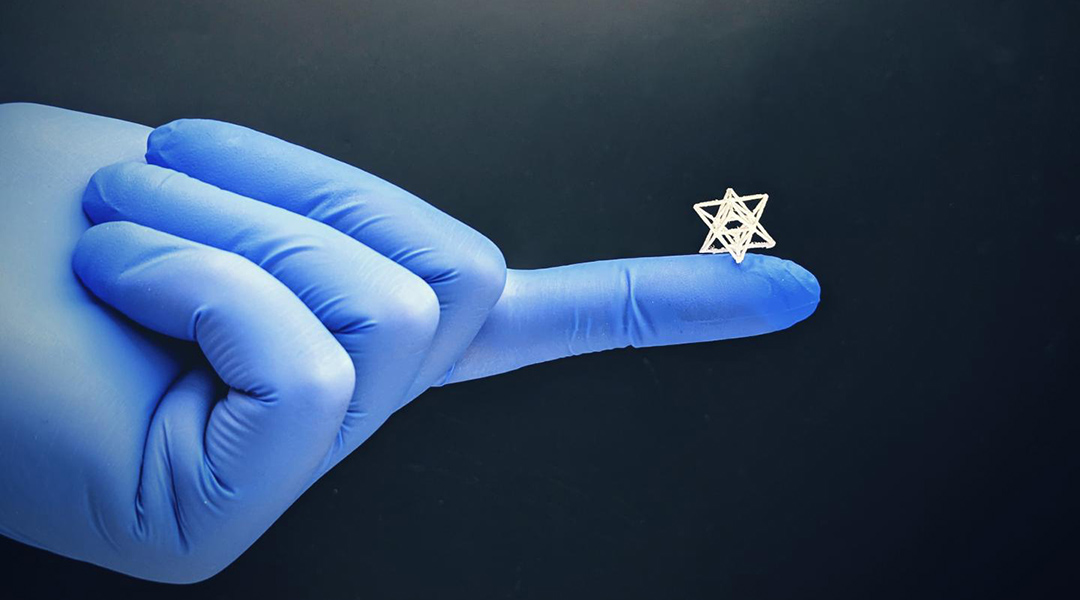
Researchers have flipped traditional 3D printing to create some of the most intricate biomedical structures yet.
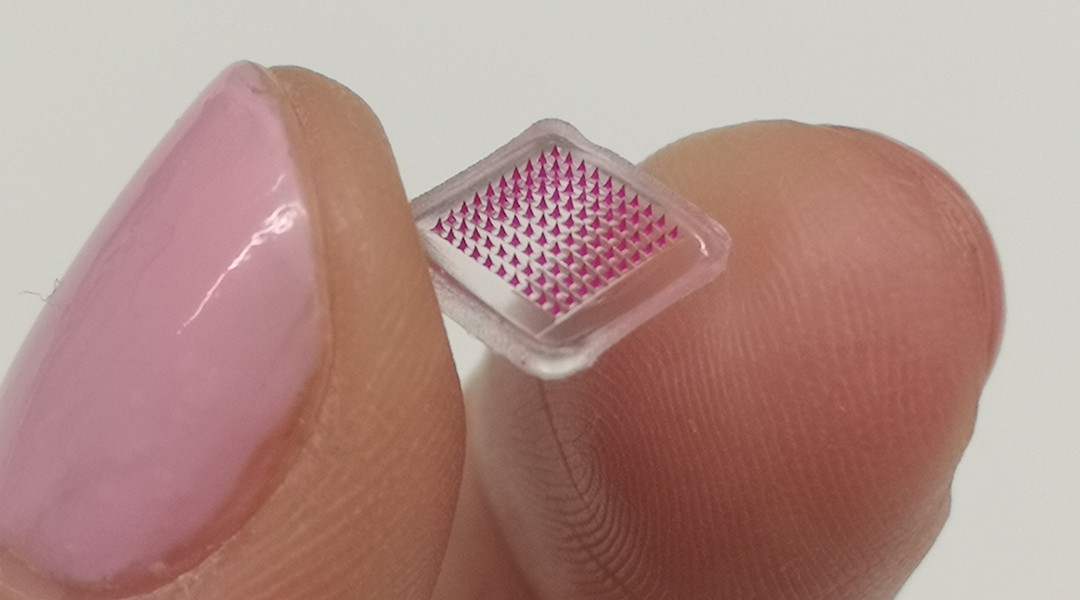
A microneedle patch that delivers antibiotics directly into the affected skin area could help treat deadly bacterial infections.
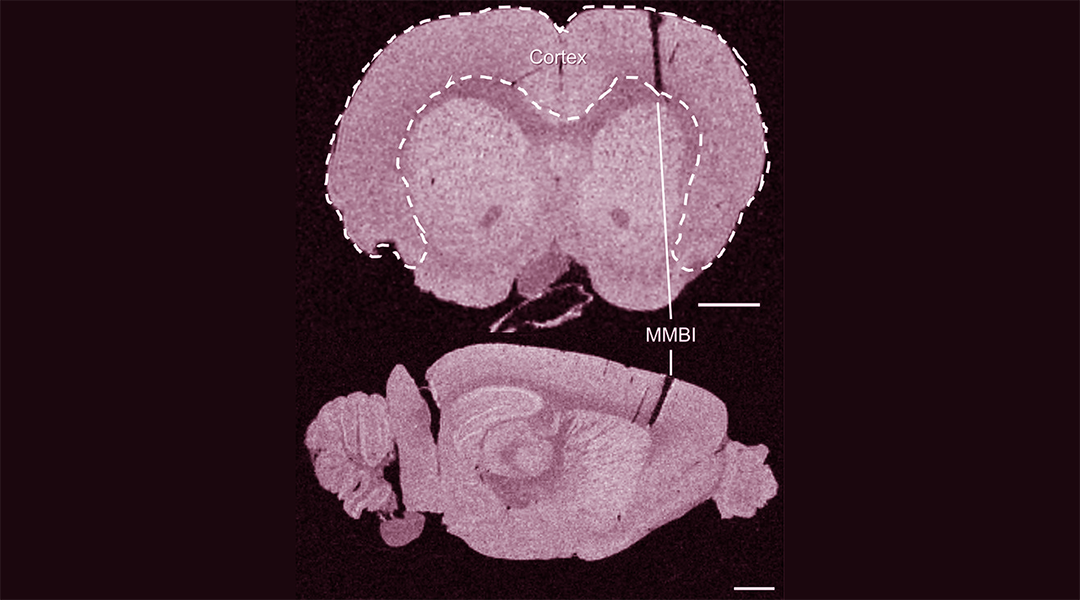
Pudding-like implants with a sugar-based delivery system show promise in reducing the foreign body response against brain implants.
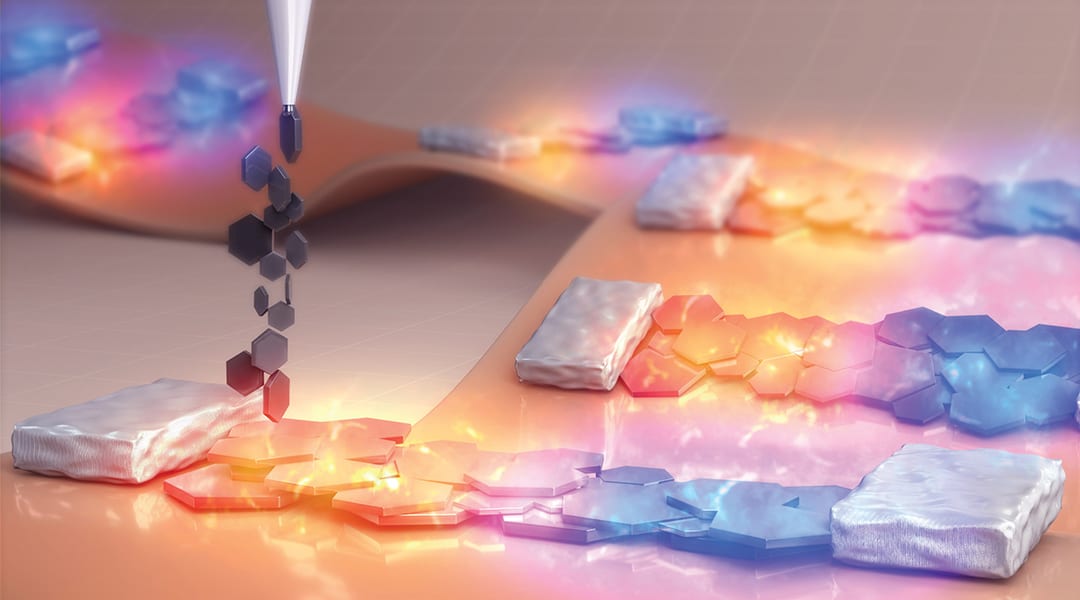
A simple approach to create high performance thermoelectric materials, which would allow one to turn their body heat into electricity.

Researchers in Australia take inspiration from nature to create a soft-robotic gripper that moves away from the conventional hand-like design.
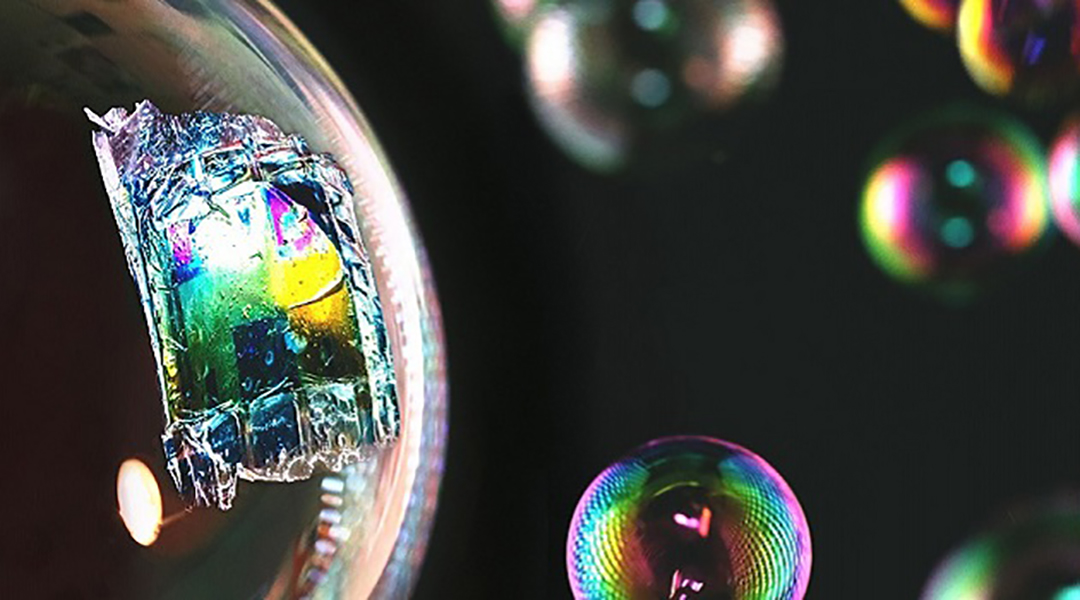
A new manufacturing technique creates ultrathin solar cells that are so light and flexible that they can rest on the surface of a soap bubble.

 Micron-sized hidden dimensions could solve two of physics’ deepest puzzles
 Turning Periods into Power: Menstrual Blood a Valuable Resource for Medical Diagnostics
 Surfactants Steer Supraparticle Structure
 Bone loss in obesity traced to gut microbiota
 Edible electronics realize safe, complex monitoring devices
 Fermilab Confirms Muon g-2 Measurements