Increasing the mass of an electrode reduces power density due to the longer distance that ions and electrons must travel. Electrode designs need a rethink.
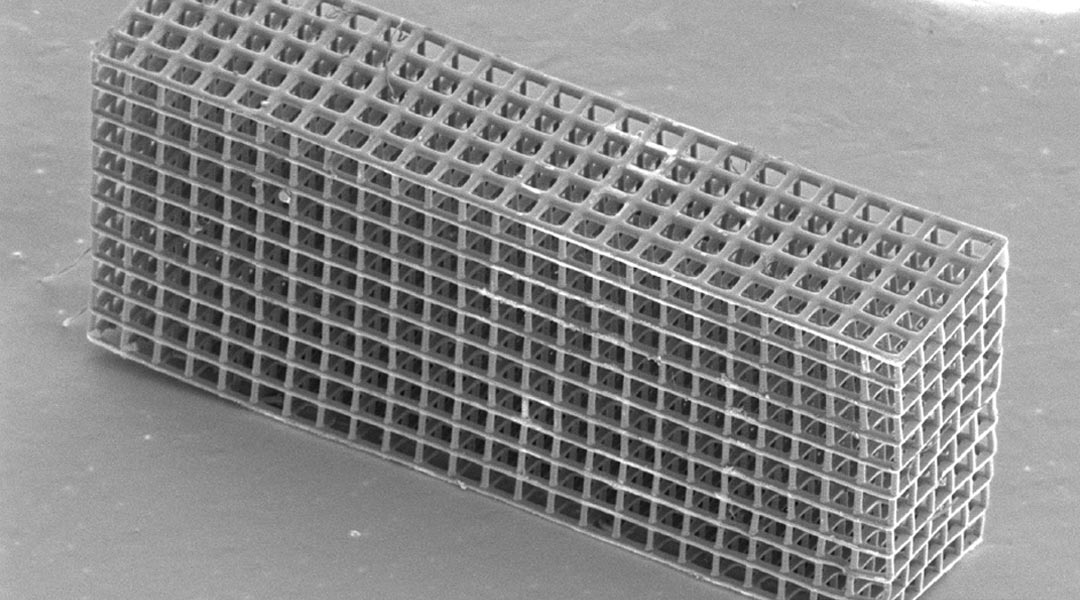

Increasing the mass of an electrode reduces power density due to the longer distance that ions and electrons must travel. Electrode designs need a rethink.

New photoanodes promise high efficiencies in producing hydrogen in a climate-neutral way.

The unconventional chemist talks innovations in material science, putting science to work to help solve societal problems, and how to see the best in everything.

Yong Lei talks about his journey into STEM, his passion for research, and the world of patterned nanomaterials.

The Swansea-based materials physicist talks about the role of energy materials in mitigating climate change, his love of sports, and how his passion for science helps it to blend seamlessly into his life.

Celebrating “10 years of Advanced Energy Materials Research,” we chatted with Stefano Passerini, Director of the HIU about his career, concerning trends in battery science, and how Dante has influenced his development.

The material physicist on having fun and enjoying research, accepting challenges as opportunities, and supporting young talent in the field.
Celebrating “10 years of Advanced Energy Materials Research,” we chatted with Jang Wook Choi of SNU about his career and the future of battery research.

Semi-transparent solar cells allow plants and solar energy to be efficiently generated on the same crop land.
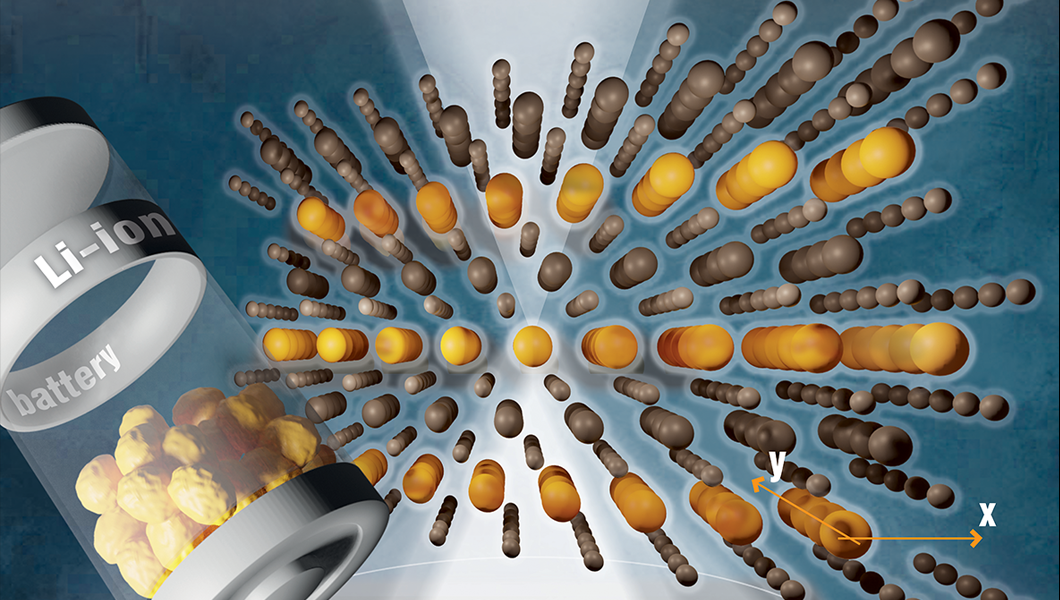
Mapping the locations of all the atoms in a cathode material allows for a better understanding of degradation mechanisms and the development of better batteries.

 Micron-sized hidden dimensions could solve two of physics’ deepest puzzles
 Turning Periods into Power: Menstrual Blood a Valuable Resource for Medical Diagnostics
 Surfactants Steer Supraparticle Structure
 Bone loss in obesity traced to gut microbiota
 Edible electronics realize safe, complex monitoring devices
 Fermilab Confirms Muon g-2 Measurements