Image of the interacting galaxy pair NGC 5394/5 obtained with NSF’s National Optical-Infrared Astronomy Research Laboratory’s Gemini North 8-meter telescope on Hawai’i’s Maunakea using the Gemini Multi-Object Spectrograph in imaging mode.
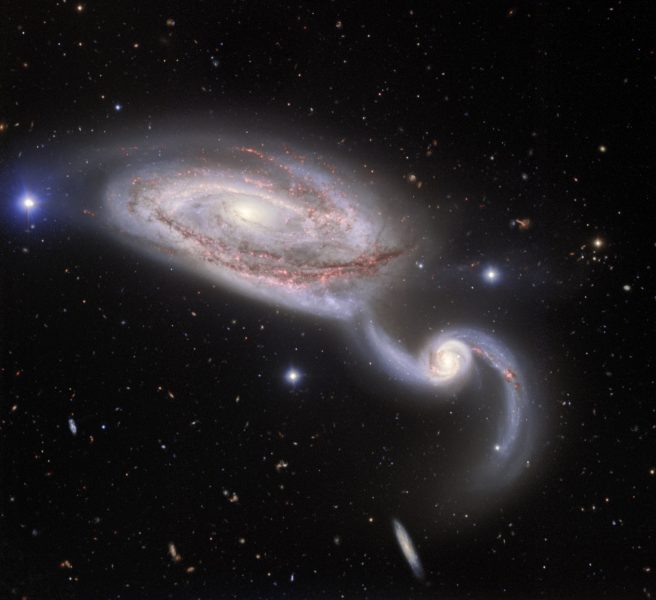

Image of the interacting galaxy pair NGC 5394/5 obtained with NSF’s National Optical-Infrared Astronomy Research Laboratory’s Gemini North 8-meter telescope on Hawai’i’s Maunakea using the Gemini Multi-Object Spectrograph in imaging mode.
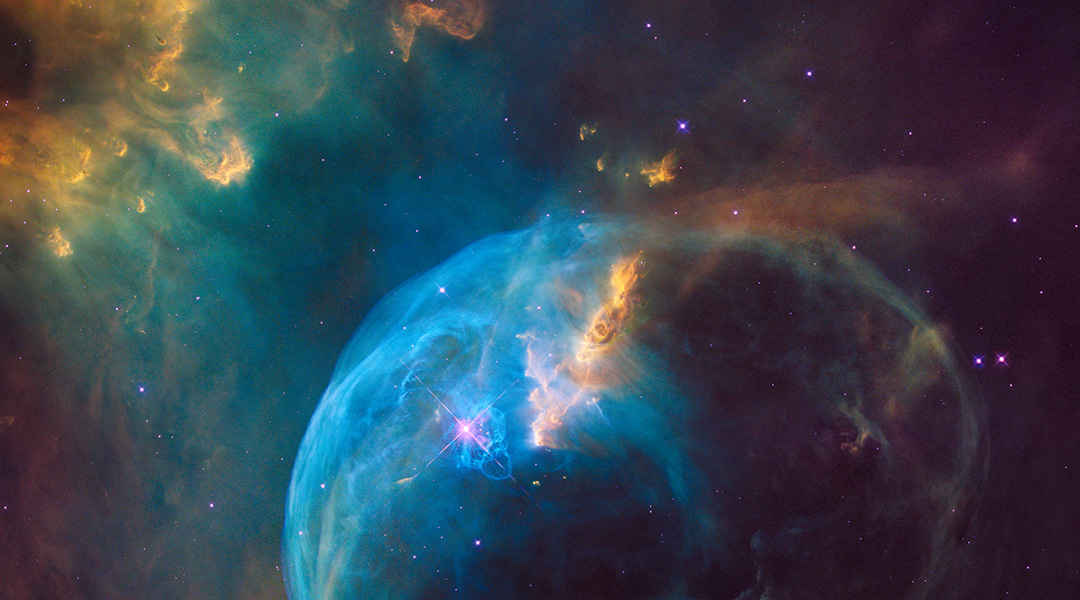
Recent studies incorporating gamma-ray bursts have yielded interesting new results that cast doubt on the validity of the cosmological principle.
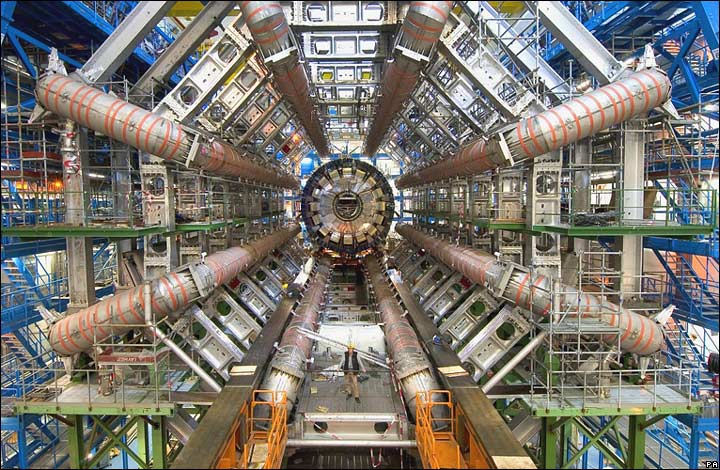
How did the results at CERN get so badly misrepresented?
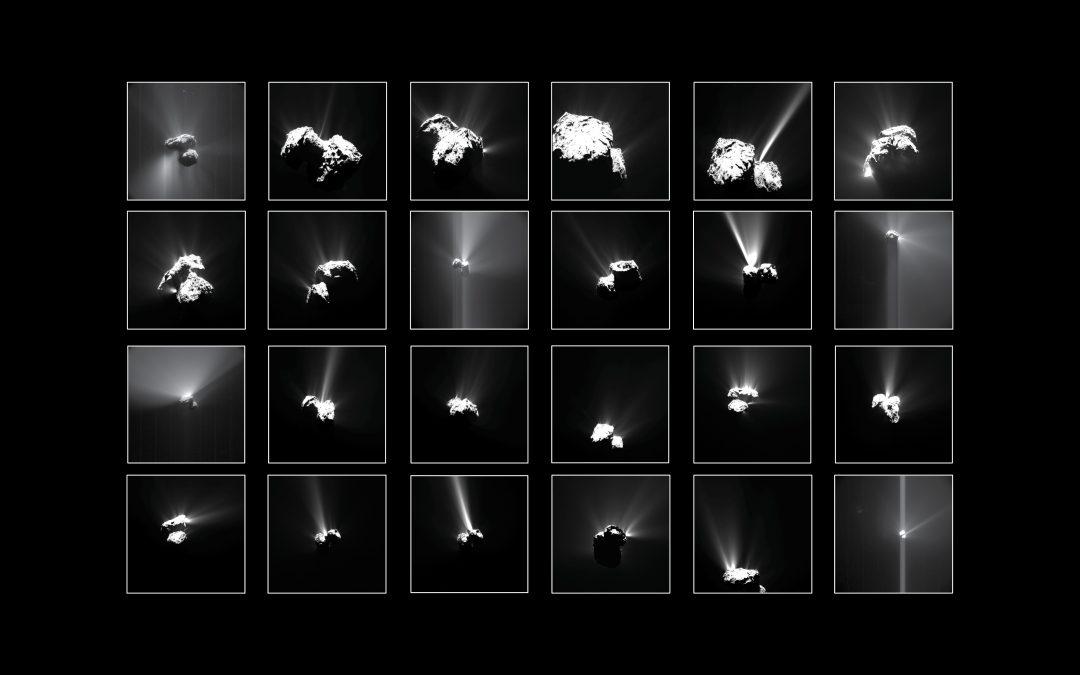
In 2014, scientists achieved the first ever soft landing on a comet, forever pushing the boundaries of space exploration.

Astronomers report the results of a decade-long observational study of the gamma-ray loud binary, HESS J0632+057.

Prize awarded jointly to James Peebles “for theoretical discoveries in physical cosmology” and Michel Mayor and Didier Queloz “for the discovery of an exoplanet orbiting a solar-type star”.

Prof. Xun Wang reflects on a moment of inspiration, his current research on sub-nanomaterials, and other research inspiring him today.
PISA allows for the complete synthesis of chemical systems without using biochemistry.

Climbing these steps of the materials discovery ladder requires embracing a vast body of experiential knowledge accumulated over years of first-hand experimental and theoretical learning.
Dr. Dongling Ma (INRS) and co-author Deepak Thrithamarassery Gangadharan talk to us about themselves, their careers, and the future of perovskite solar cell research.
 New theory suggests gravity is not a fundamental force
 Higgs boson may be driving the Universe’s expansion
 Water-powered gadgets may be on the horizon thanks to new evaporation-based energy device
 Scientists discover a new class of antibiotics
 Micron-sized hidden dimensions could solve two of physics’ deepest puzzles
 A new type of dark matter could explain mysterious radiation from the Milky Way’s core