The quantum computer named Jiuzhang was able to complete a task 100 trillion times faster than one of the world’s fastest super computers.
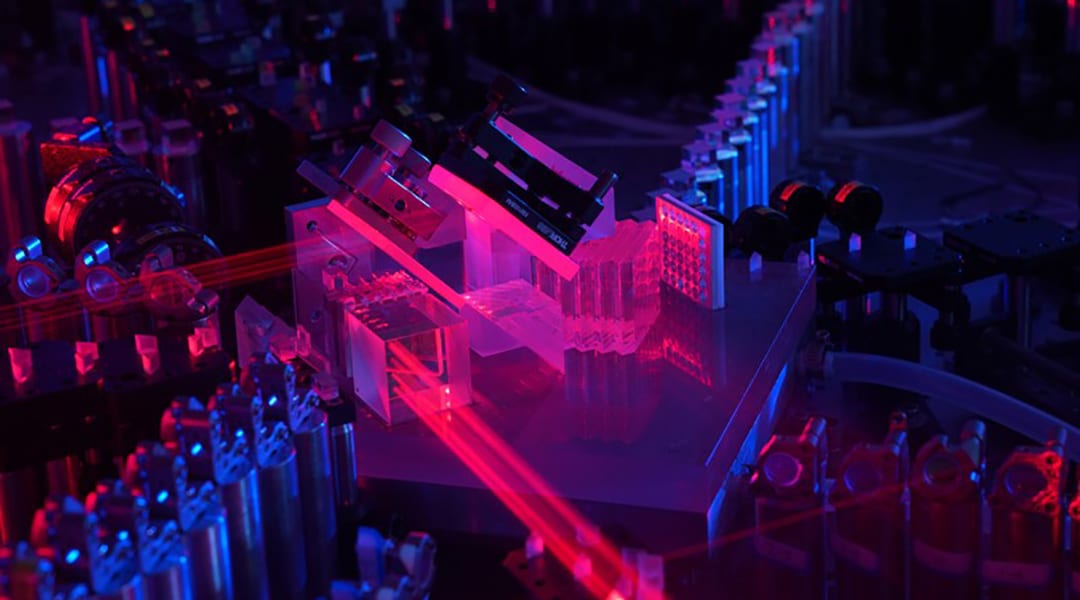

The quantum computer named Jiuzhang was able to complete a task 100 trillion times faster than one of the world’s fastest super computers.
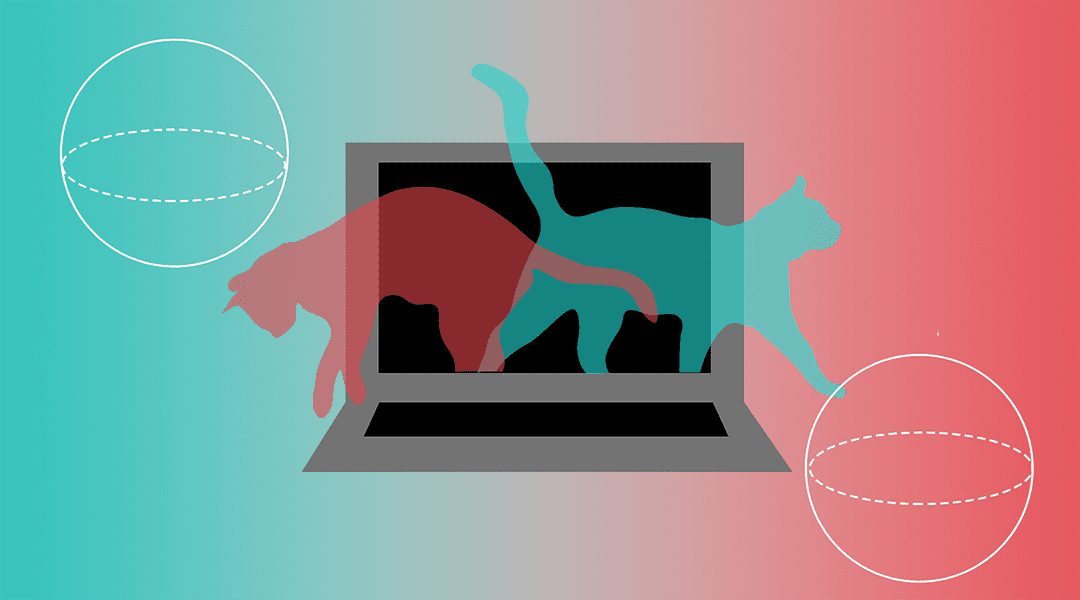
Computers relying on subatomic physics: what are quantum computers, and how will they revolutionize our computing abilities?
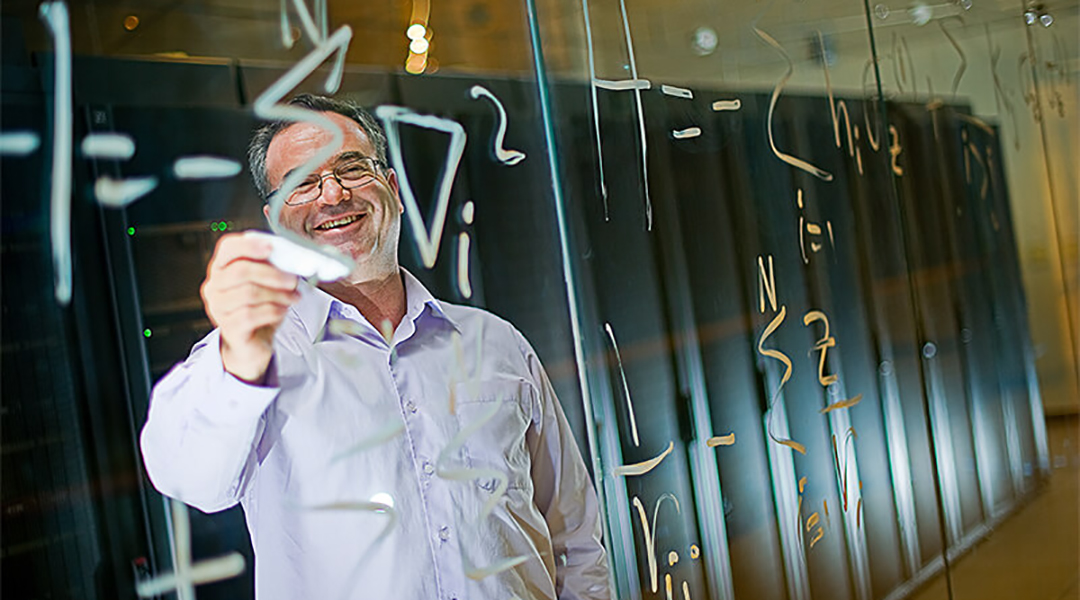
Researchers are developing algorithms and machine learning methods to further our understanding of the quantum state space.

New quantum algorithms will have dramatic impact in computational molecular biology and bioinformatics and promise to impact a number of life science applications.

An exciting and exotic approach to minimizing error in quantum computation re-purposes a known code to achieve what many researchers thought was impossible.
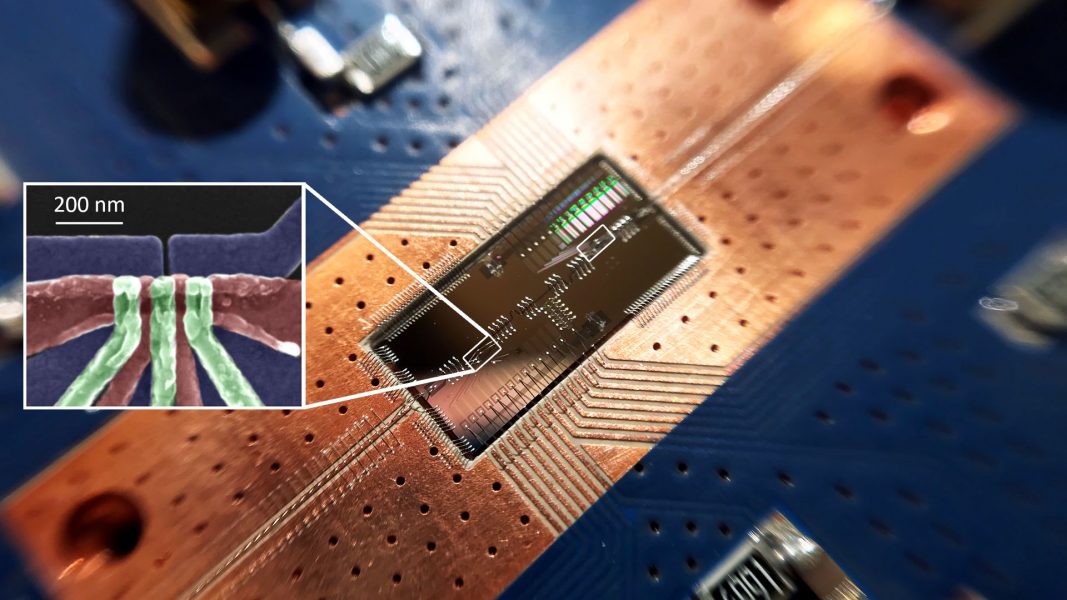
Princeton scientists demonstrate that two silicon quantum bits can communicate across relatively long distances in a turning point for the technology.
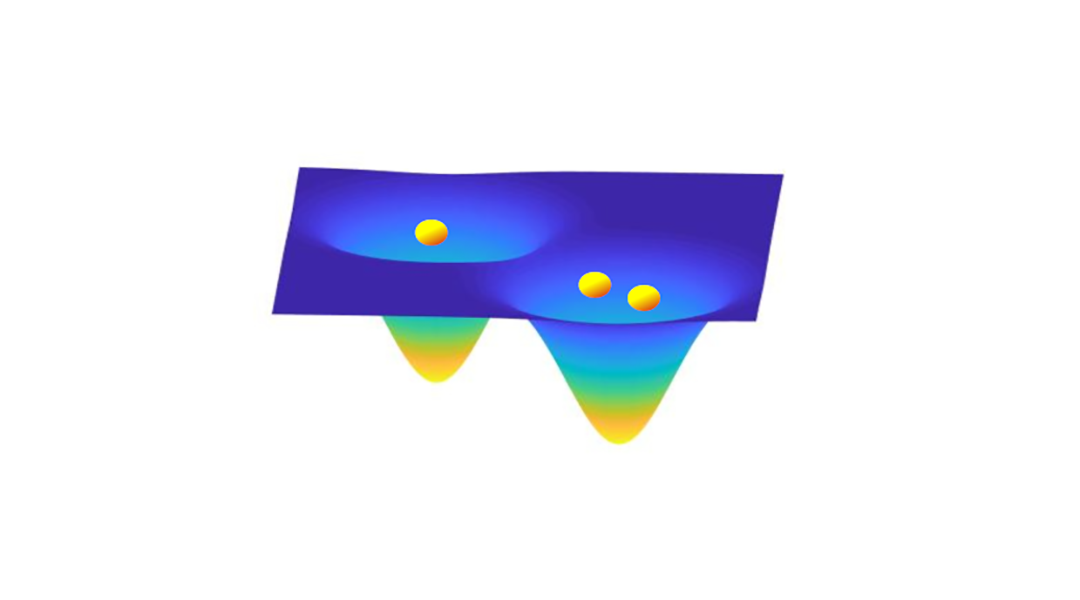
Predicting the experimental conditions that enhance coherence times for semiconducting quantum dot hybrid qubits.
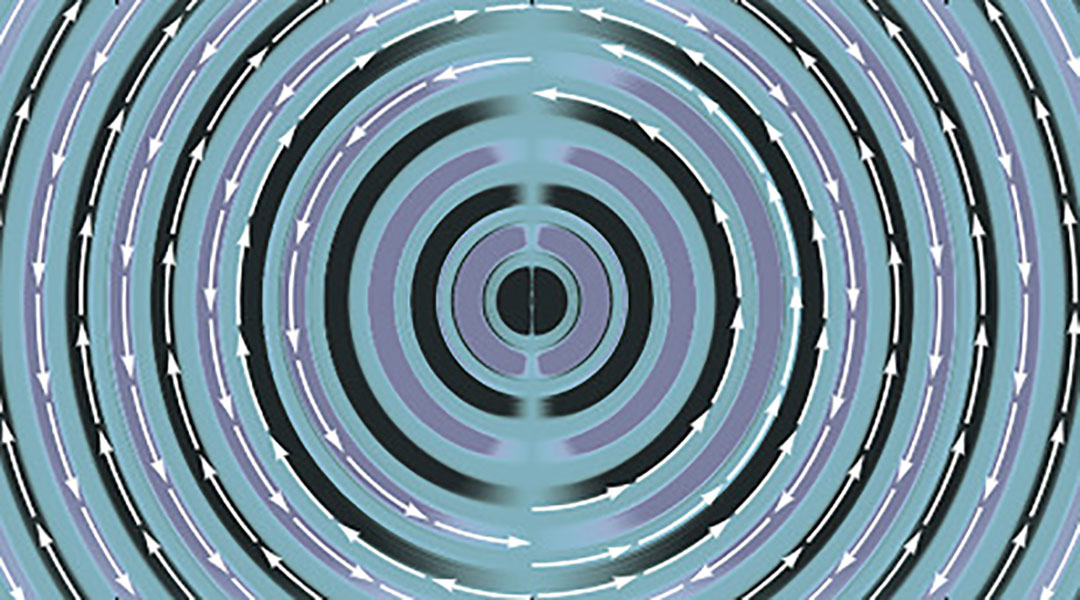
A novel scheme for an ultrafast generation of a toroidal moment and a field-free vector potential is uncovered.
A quantum autoencoder via approximate quantum adders in the Rigetti cloud quantum computer is carried out employing up to three qubits.
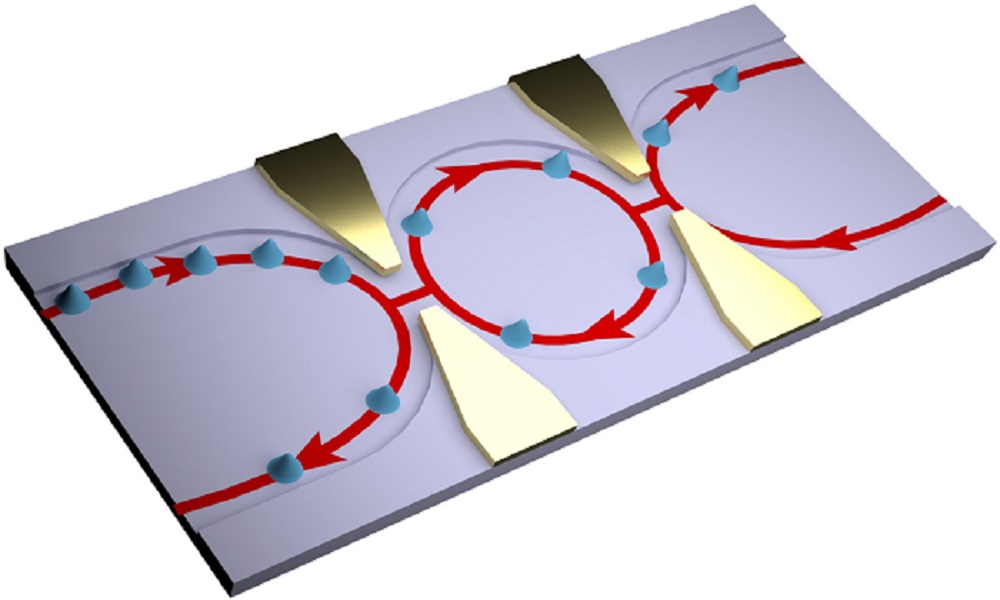
A train of single-electrons propagating on top of the Fermi sea of a mesoscopic conductor can be used for time-domain spectroscopy of quantum-coherent structures.

 Water-powered gadgets may be on the horizon thanks to new evaporation-based energy device
 Micron-sized hidden dimensions could solve two of physics’ deepest puzzles
 Turning Periods into Power: Menstrual Blood a Valuable Resource for Medical Diagnostics
 Kirigami-inspired neural probes are a cut above
 Immune resilience gene signature could hold the key to healthy aging
 Surfactants Steer Supraparticle Structure