Russian scientists have made nanodiamonds with a higher concentration of nitrogen vacancy centers, with a better efficiency than was previously possible.
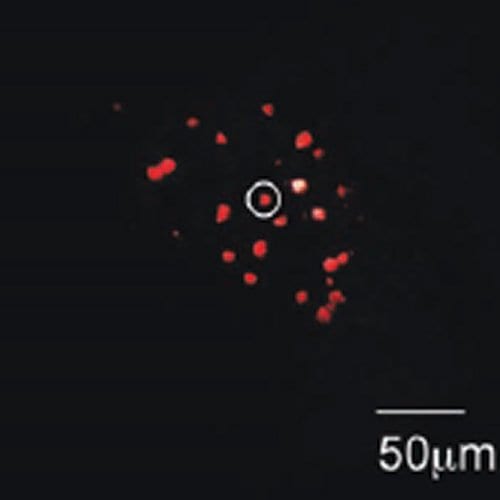

Russian scientists have made nanodiamonds with a higher concentration of nitrogen vacancy centers, with a better efficiency than was previously possible.
New publication brings together theory and experimental results in molecular electronics – can we go beyond Moore’s law? Emanuele Orgiu & Paolo Samorì of ISIS tell us more
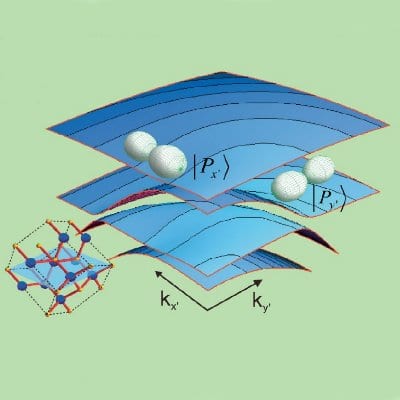
The research group “PolarCon” publishes a collection of papers describing the technological challenges of epitaxially grown non- or semipolar nitride structures.
Conductive metallic 3D nanostructures can be made inside a single crystal of a photocatalytically active metal-organic framework, say Belgian scientists.
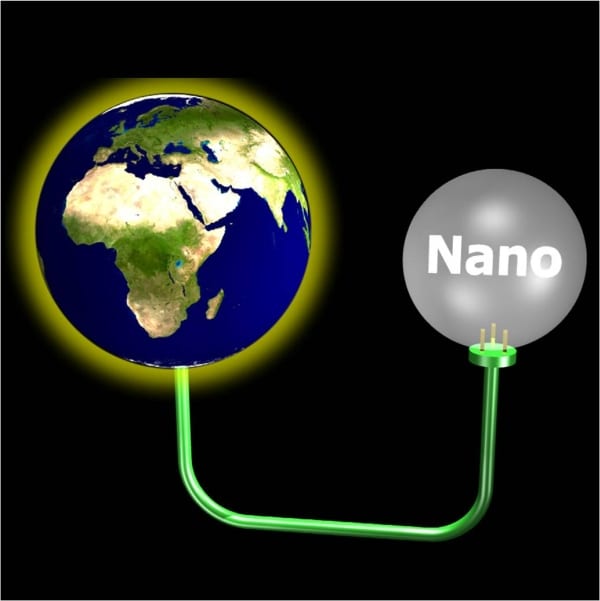
How can nanomaterials make a difference in the grand challenge: efficient and green global scale production, storage and use of energy? Professor Geoffrey Ozin from the University of Toronto gives his response to this question.
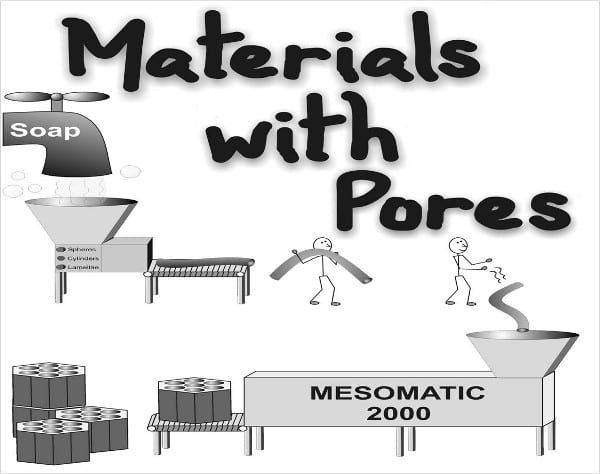
Professor Geoffrey Ozin from the University of Toronto reviews porous materials—how the research goals have varied over the years, where we are today, and what these materials may offer in the future.
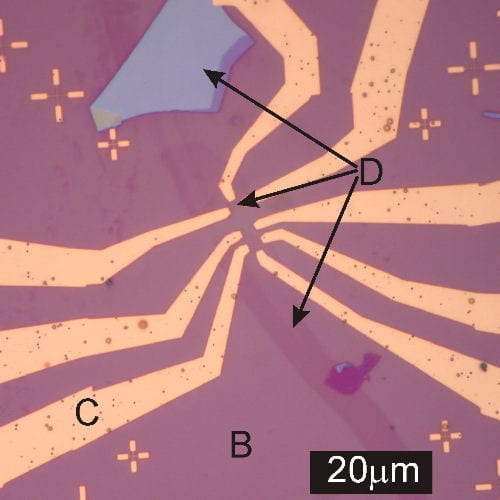
Nobel laureate Kostya Novoselov and his team open up graphene-based nanoelectronic devices by scanning probe lithography.
Professor Geoffrey Ozin gives us his thoughts on nanochemistry and photonic metamaterials.
Welcome to one of our guest columns, where active researchers can share their views on topics relevant to materials science. Professor Geoffrey Ozin from the University of Toronto tells us what he thinks about nanoscale silicon and its future. One thing that has...
We speak to Andrey Rogach, nanocrystal expert and Professor at the Physics and Materials Science Department, City University of Hong Kong.

 Micron-sized hidden dimensions could solve two of physics’ deepest puzzles
 Turning Periods into Power: Menstrual Blood a Valuable Resource for Medical Diagnostics
 Surfactants Steer Supraparticle Structure
 Bone loss in obesity traced to gut microbiota
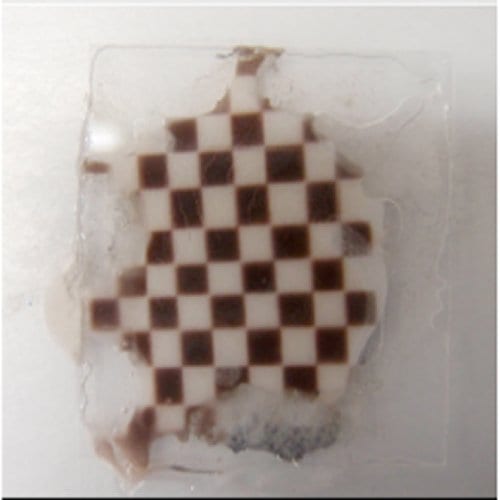
 Edible electronics realize safe, complex monitoring devices
 Fermilab Confirms Muon g-2 Measurements