The energetic consequences of having iron, manganese or aluminum atoms sit at certain positions close to carbon are studied by performing first-principles quantum-chemical calculations.
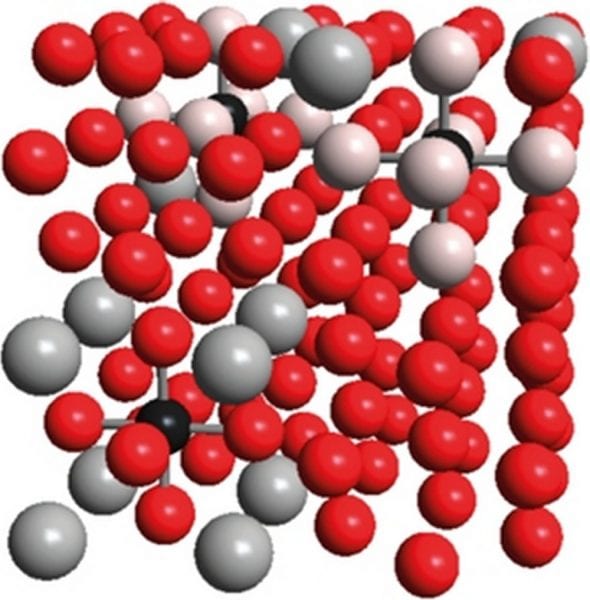

The energetic consequences of having iron, manganese or aluminum atoms sit at certain positions close to carbon are studied by performing first-principles quantum-chemical calculations.
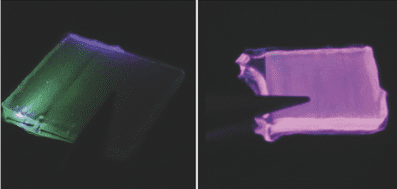
Researchers reveal “Quantum-Dot Wood”, transparent wood impregnated with luminescent semiconductor nanoparticles.
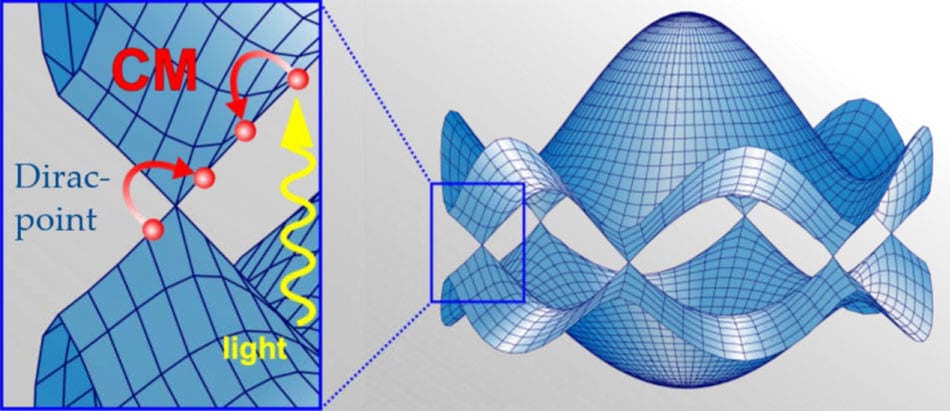
The remarkable electronic properties of graphene open up new carrier relaxation channels that can result in a significant multiplication of optically excited carriers.
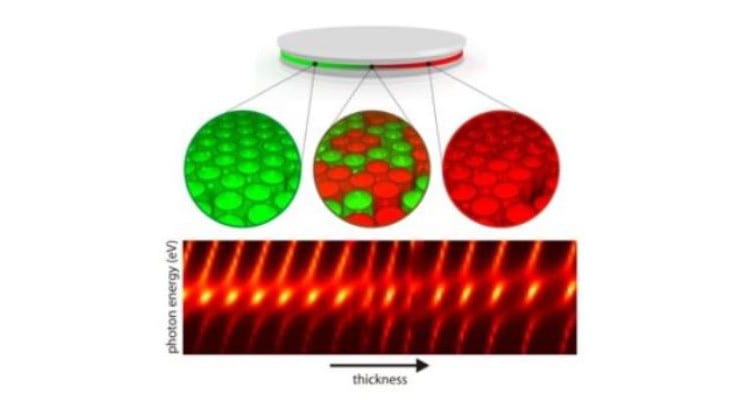
The versatility of studying polariton phenomena with fluorescent proteins in fully tunable optical microcavities is addressed.
High refractive index (HRI) materials play an important role in optic-electronic devices. They can be widely applied as encapsulating materials to increase external quantum efficiency in OLED devices and to enhance conversion efficiency in solar cell devices....
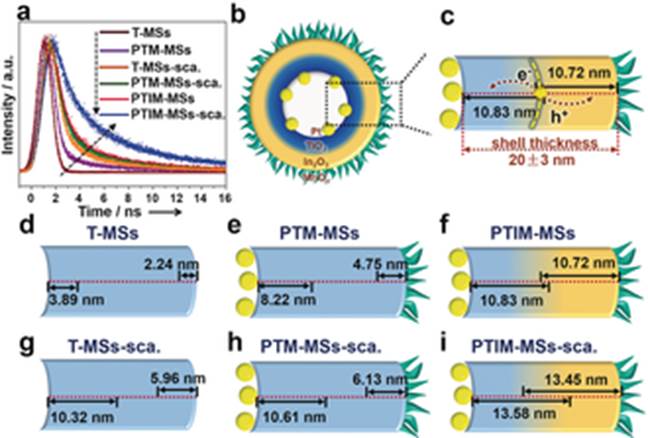
Photochemical water splitting is an elegant way to solve energy and environmental-related issues.
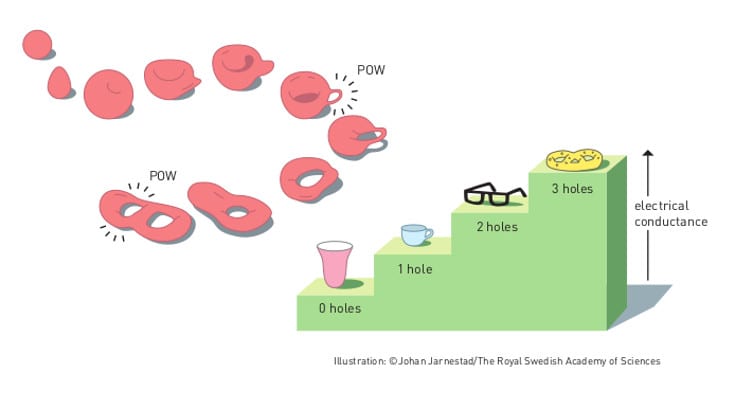
The Royal Swedish Academy of Sciences has decided to award the Nobel Prize in Physics 2016 with one half to David J. Thouless and the other half to F. Duncan M. Haldane and J. Michael Kosterlitz for theoretical discoveries of topological phase transitions and topological phases of matter.
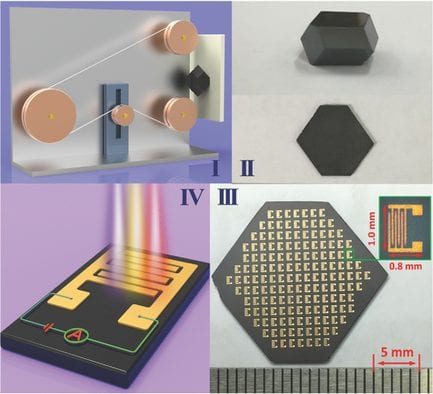
The month’s top articles from the field of nanooptics, optoelectronics, metamaterials, optical devices, detectors & sensors, micro/nano resonators and more.

A report from the META 2016 conference, held from 25 to 28 July in Torremolinos, Spain.
Luis Liz-Marzán and Sara Bals present a collection of selected contributions by different researchers who are recognised as experts in the field of structural characterization as well as on optical and catalytic properties of nanoparticles.

 Micron-sized hidden dimensions could solve two of physics’ deepest puzzles
 Turning Periods into Power: Menstrual Blood a Valuable Resource for Medical Diagnostics
 Immune resilience gene signature could hold the key to healthy aging
 Surfactants Steer Supraparticle Structure
 Bone loss in obesity traced to gut microbiota
 Edible electronics realize safe, complex monitoring devices