With FDA orphan drug approval secured, Amal and his team are preparing for phase 1 clinical trials of their small-molecule drugs in 2026.
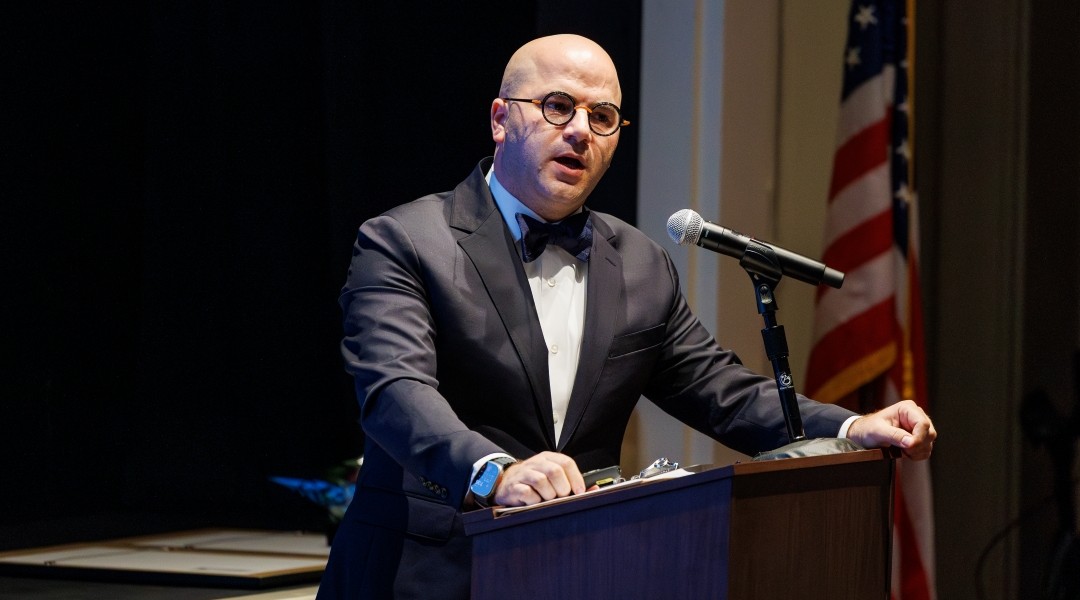

With FDA orphan drug approval secured, Amal and his team are preparing for phase 1 clinical trials of their small-molecule drugs in 2026.
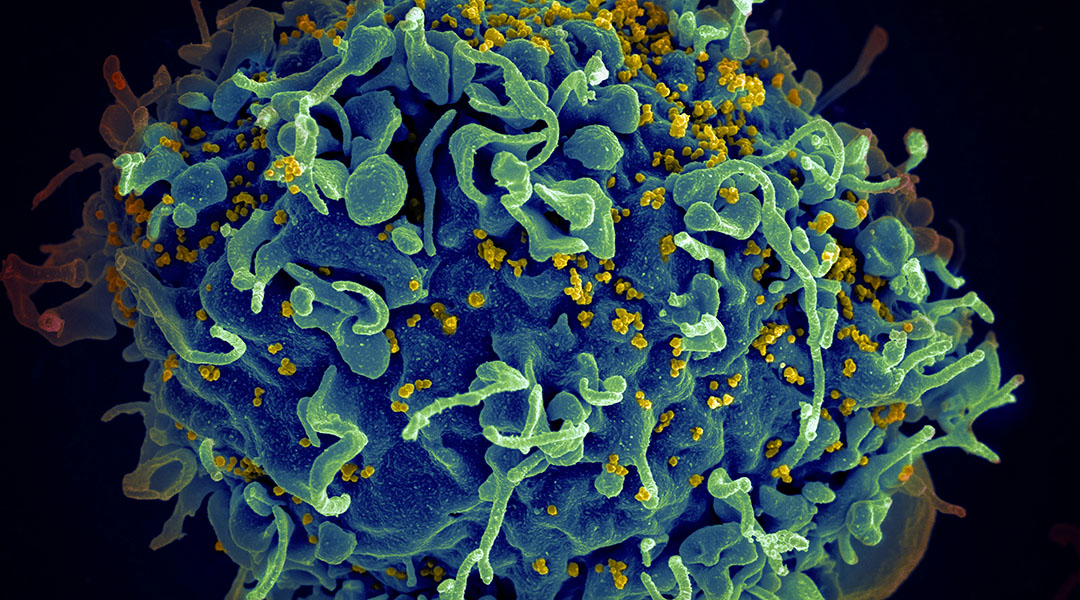
Scientists have identified key biomarkers linked to immune and metabolic dysfunction in people with HIV on long-term antiretroviral therapy.
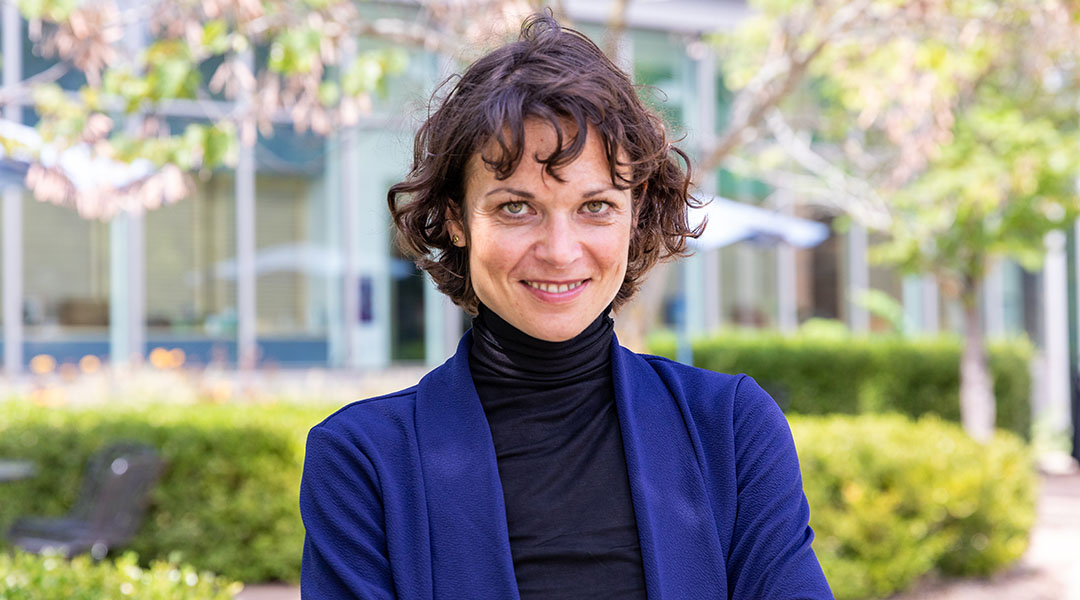
Recreating the material that surrounds cells, Loebel aims to better understand cell memory and its role in disease development.
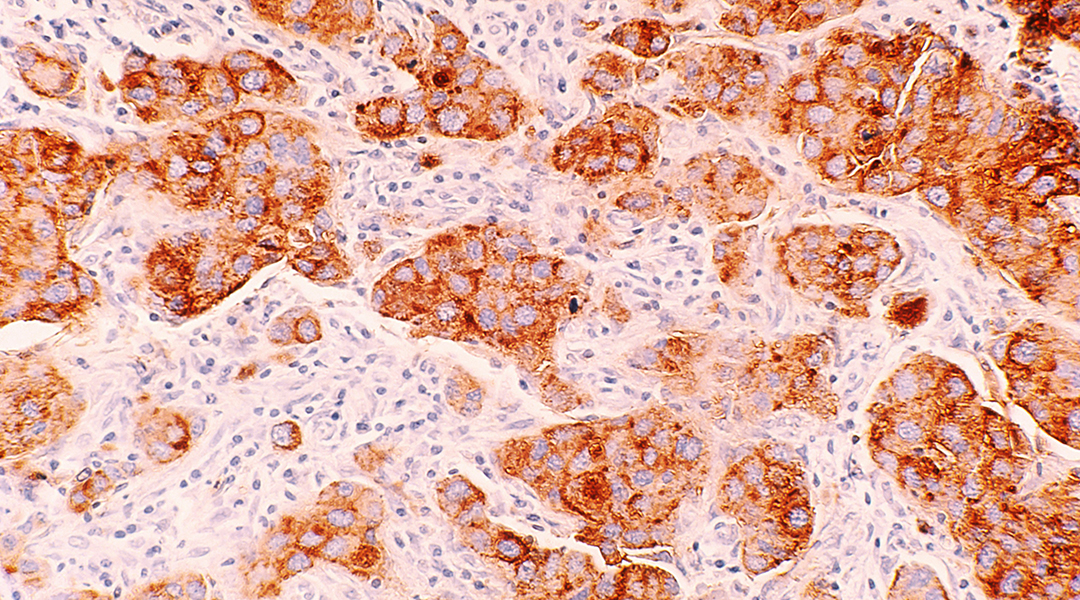
A new study reveals that lacidipine, a common antihypertensive medication, slows tumor growth in triple-negative breast cancer.
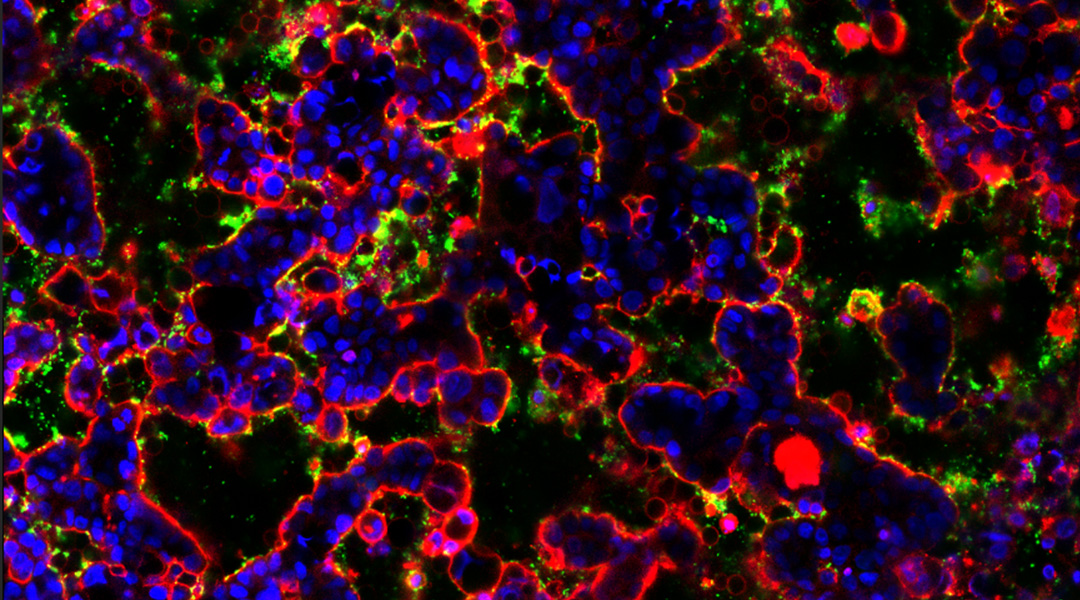
This artificial gut will allow scientists to gain deeper insights into the biome that exists there and how dysregulation can lead to disease.

Click chemistry spins bacterial-produced spider silk into a biomedical marvel, promising innovations in fiber optics, wound healing, and tissue regeneration.
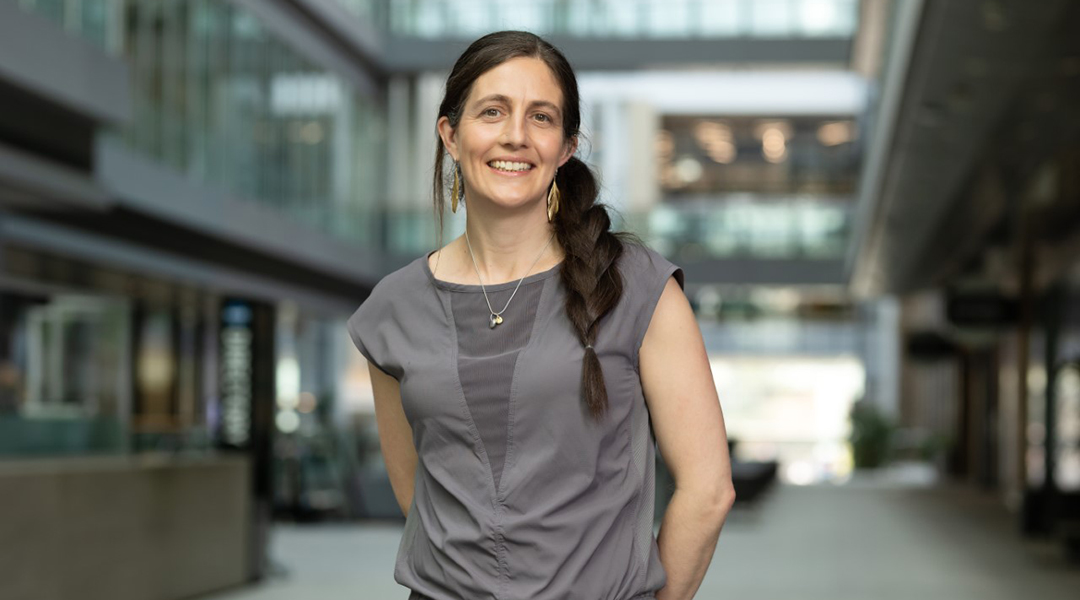
Using unique artificial microenvironments, chemical engineer Alison McGuigan is getting to the bottom of cell behavior.
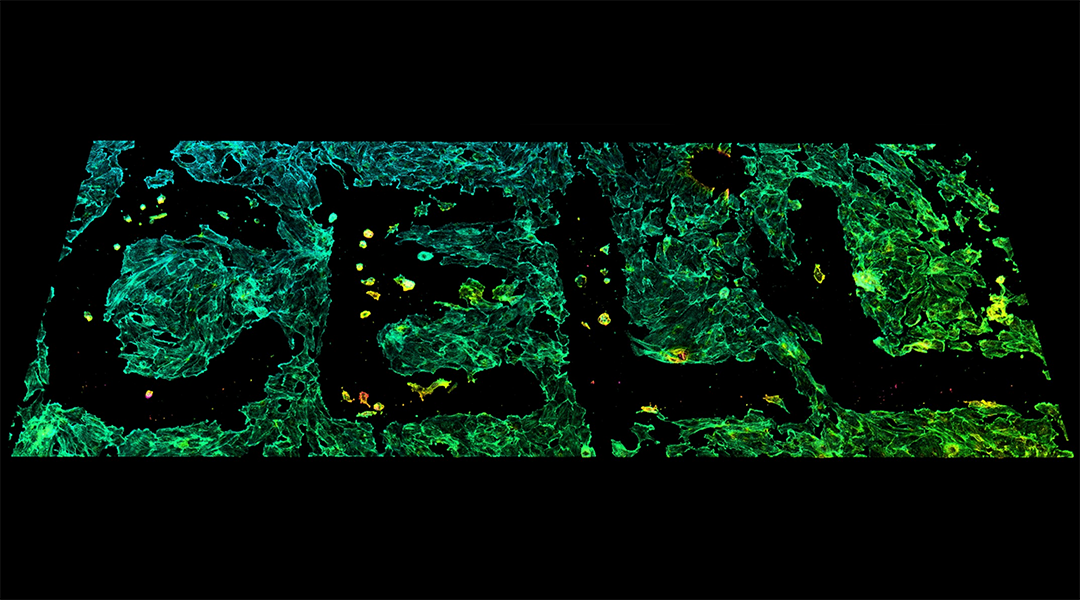
A 3D hydrogel model provides key insights into how cells sense and respond to elements of their environment.
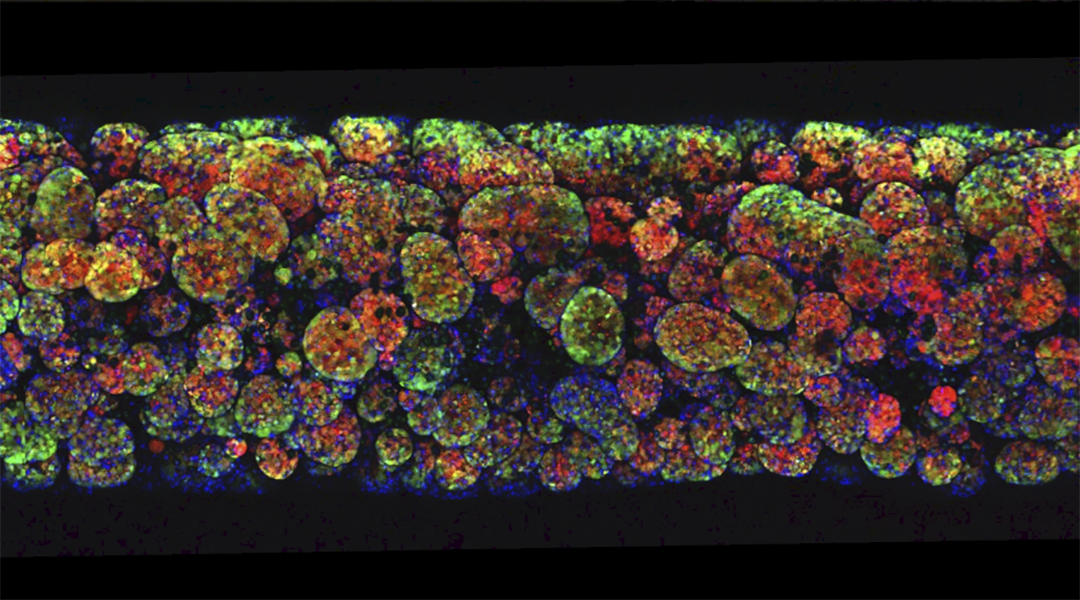
Living optical fibers, nickel skeletons, and superconducting graphene — this edition of our Science in pictures series contains more incredible images selected by our editors.
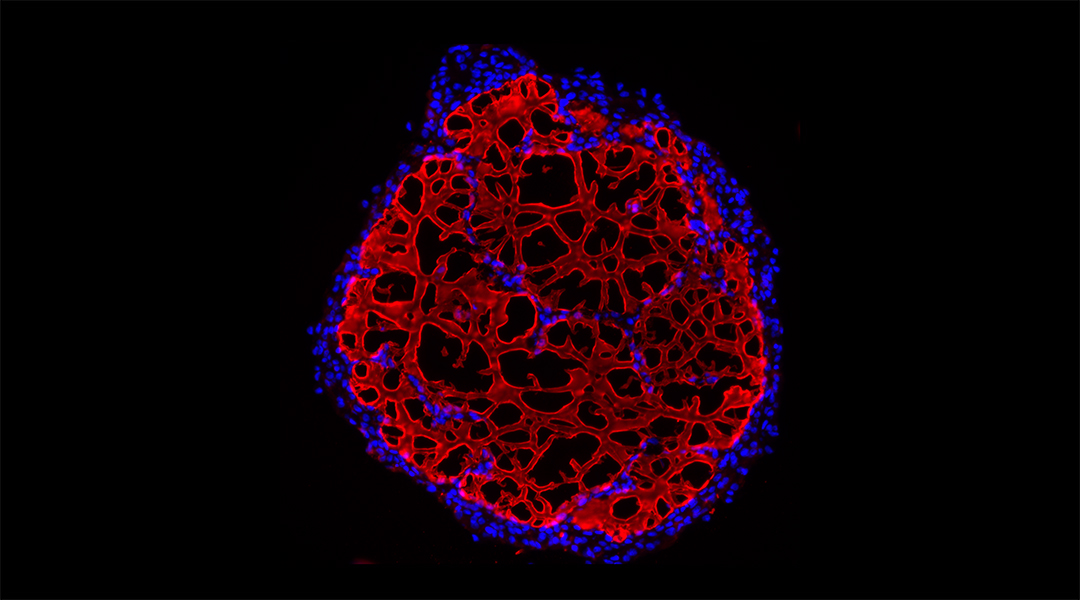
From patchwork liquid marbles, artificial nerve grafts, and giant perovskites, this gallery features a host of incredible images, bringing life to the research behind them.
 Microneedles enable 98% smaller, cheaper artificial pancreas
 Machine learning identifies anti-aging neuroprotective treatments
 Teaching machines to quiet the noise in quantum computers
 3D printed scaffolds bring artificial bone closer to reality
 Scientists build living ‘neurobots’ that grow their own neural networks
 Nature-inspired coating repels both water and ice