A new class of biocompatible protein-based nanoparticles that have outstanding near-infrared emission for deep tissue imaging.


A new class of biocompatible protein-based nanoparticles that have outstanding near-infrared emission for deep tissue imaging.
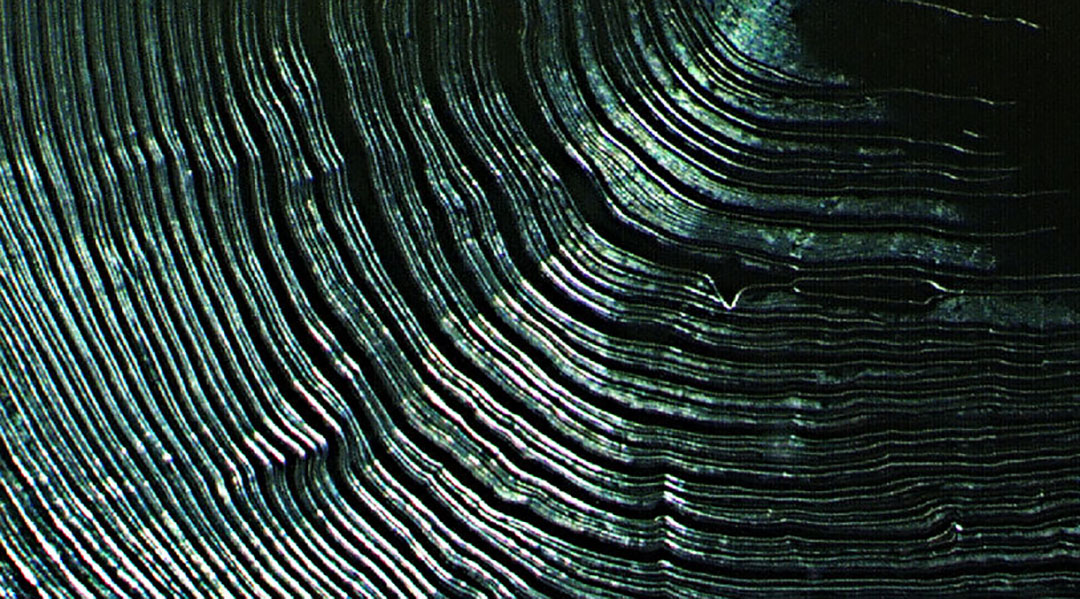
Researchers create new “superglue” with two simple ingredients: plant-based cellulose nanocrystals and water.

Researchers design a porous 3D graphene lubricant composite for harsh conditions and high loads.
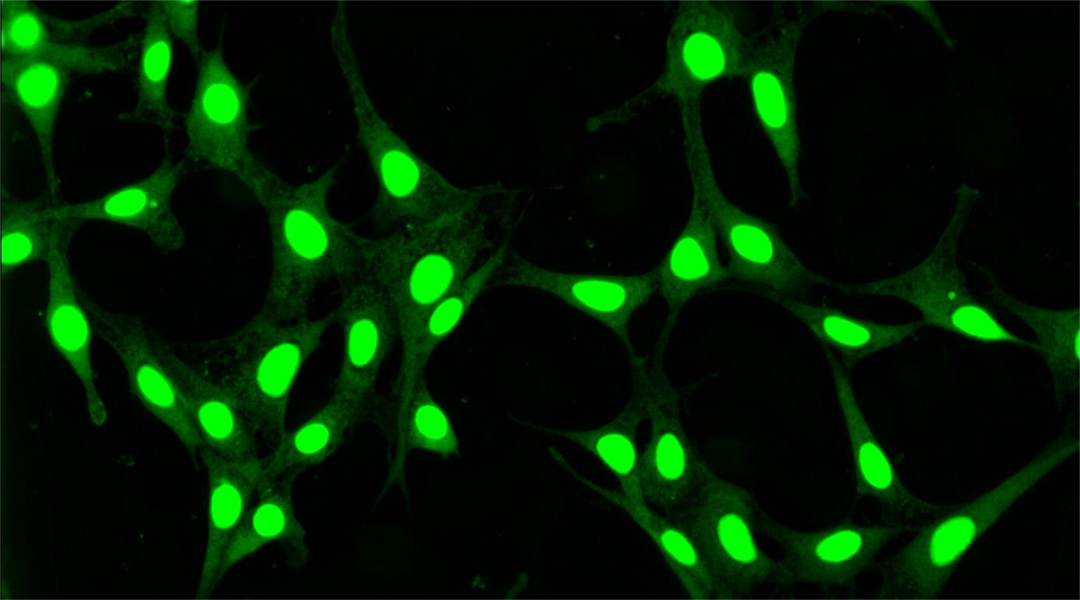
Fluorescent carbon dots could change the way in which we visualize cells.

Screening an almost infinite number of elemental combinations in search of new alloys for catalysis requires a creative approach.
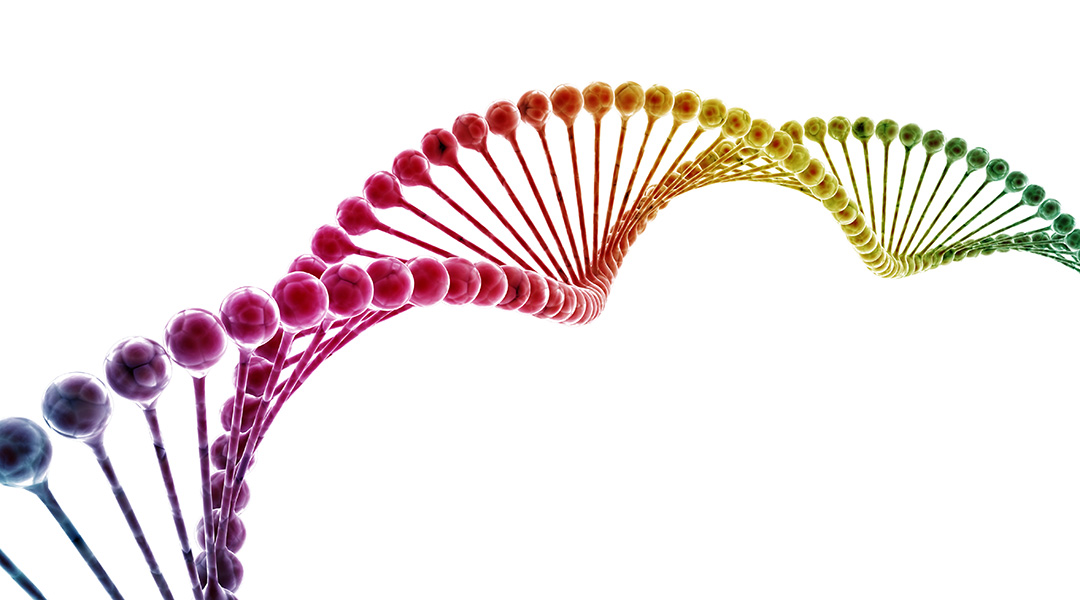
The current barriers of CRISPR/Cas9 delivery and promising development of nanoparticle-based approaches for precise gene editing.

Wiley will provide free access to all articles related to the coronavirus in support of the outbreak relief efforts in China.

What does cooking in your kitchen have in common with printed electronics? More than one would think! Sintering is a widely used technique for bonding particles into coherent structures, imparting increased strength and integrity. Due to its low cost, and reliability,...

Nano-silicon is an attractive tool in the field of environmental remediation, specifically when it comes to cleaning up oil spills from underwater drilling and hydraulic fracking.

A new material that pulls moisture from the air and uses it to generate an electric current.

 Micron-sized hidden dimensions could solve two of physics’ deepest puzzles
 Turning Periods into Power: Menstrual Blood a Valuable Resource for Medical Diagnostics
 Bone loss in obesity traced to gut microbiota
 Surfactants Steer Supraparticle Structure
 Edible electronics realize safe, complex monitoring devices
 Fermilab Confirms Muon g-2 Measurements