Increasing the mass of an electrode reduces power density due to the longer distance that ions and electrons must travel. Electrode designs need a rethink.
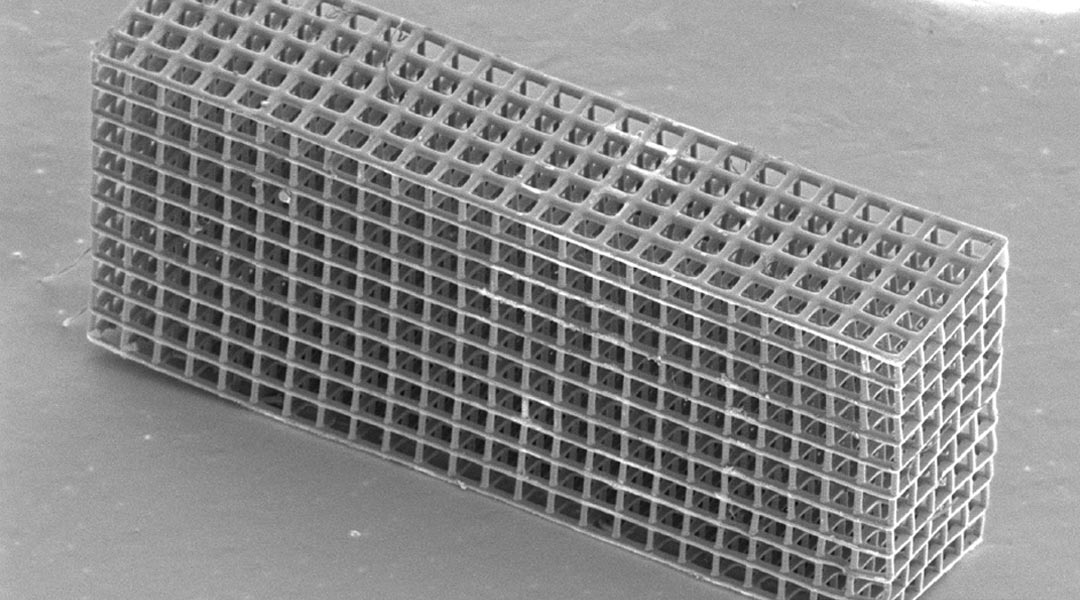

Increasing the mass of an electrode reduces power density due to the longer distance that ions and electrons must travel. Electrode designs need a rethink.
Russia’s Sputnik V coronavirus vaccine gives around 92% protection against COVID-19, results published in The Lancet reveal.
Sprayed on and held in place like Velcro, researchers develop a dynamic hydrogel barrier system to improve the outcome of invasive surgery and reduce the need for additional operations.
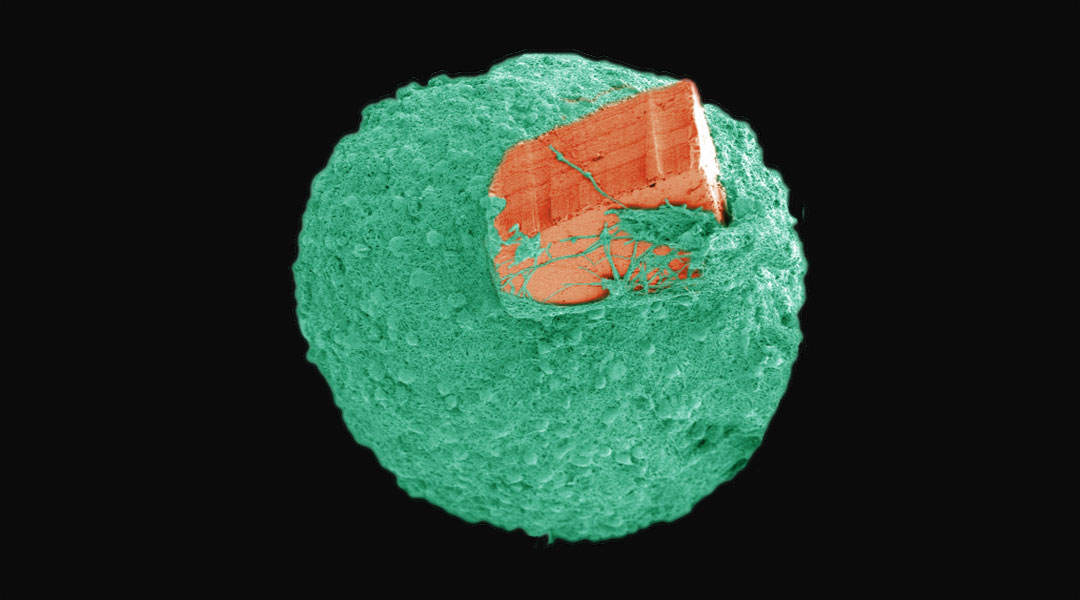
From Trojan horses that help sneak therapeutics past the blood–brain barrier to advanced brain models built on microchips, we celebrate innovative science in breathtaking images.
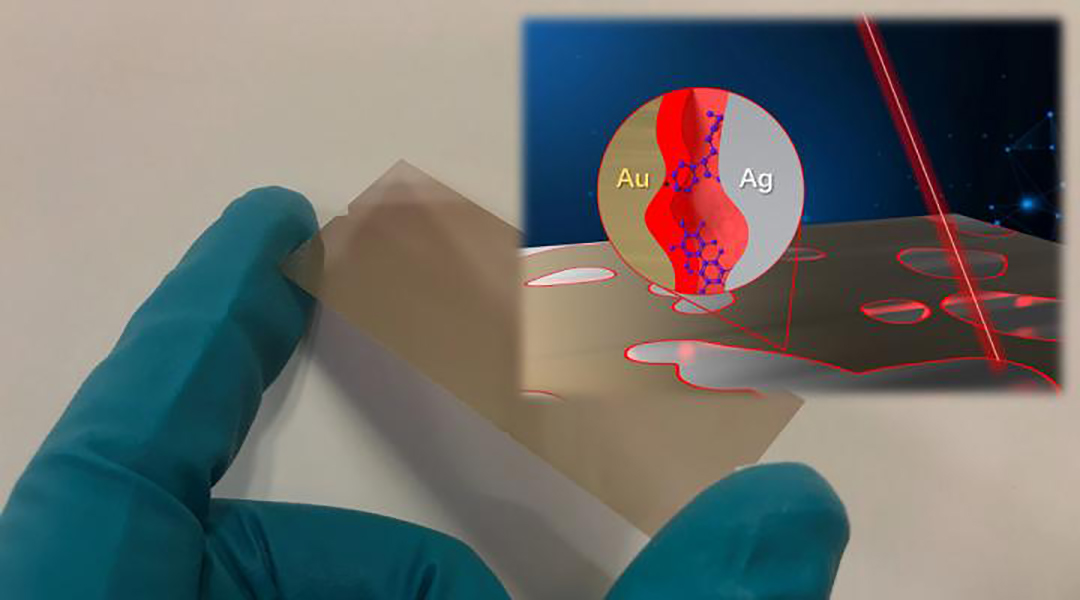
Study shows improvements to chemical sensing chip that aims to quickly and accurately identify drugs and other trace chemicals.
Personalized medicine for diseases that affect the central nervous system requires renewed focus on visualising the behaviour of drugs in the brain.
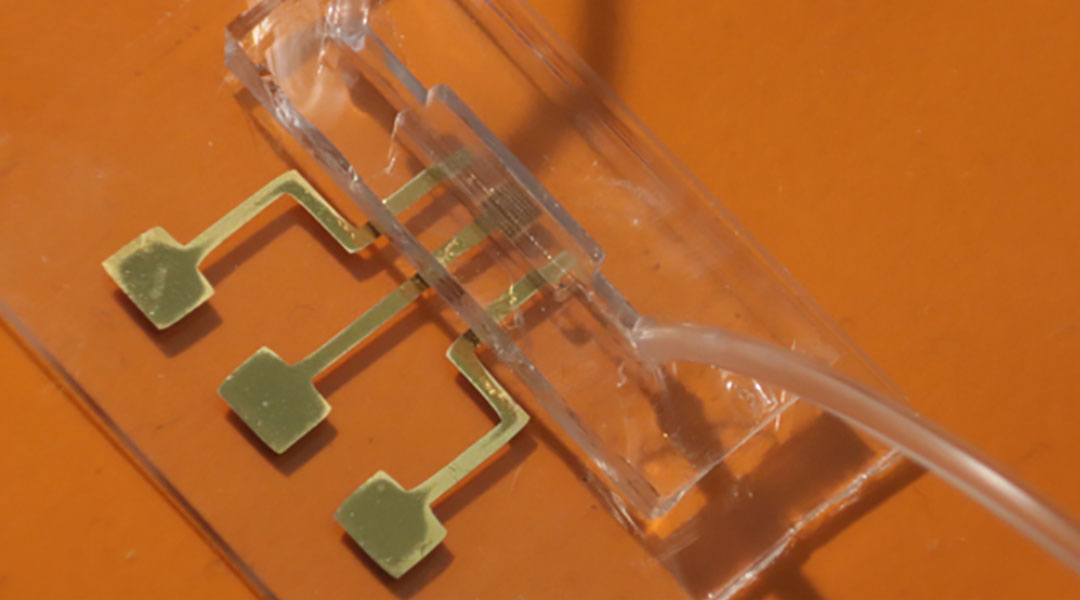
The testing platform identifies the presence of two antibodies in microliter samples of blood.
Models that can predict and help us to understand the body’s thermal state could help optimize temperature management strategies in a clinical setting.

A gelatin-based hydrogel allows researchers to create a flexible, remote controlled robot capable of squeezing through tight spaces.
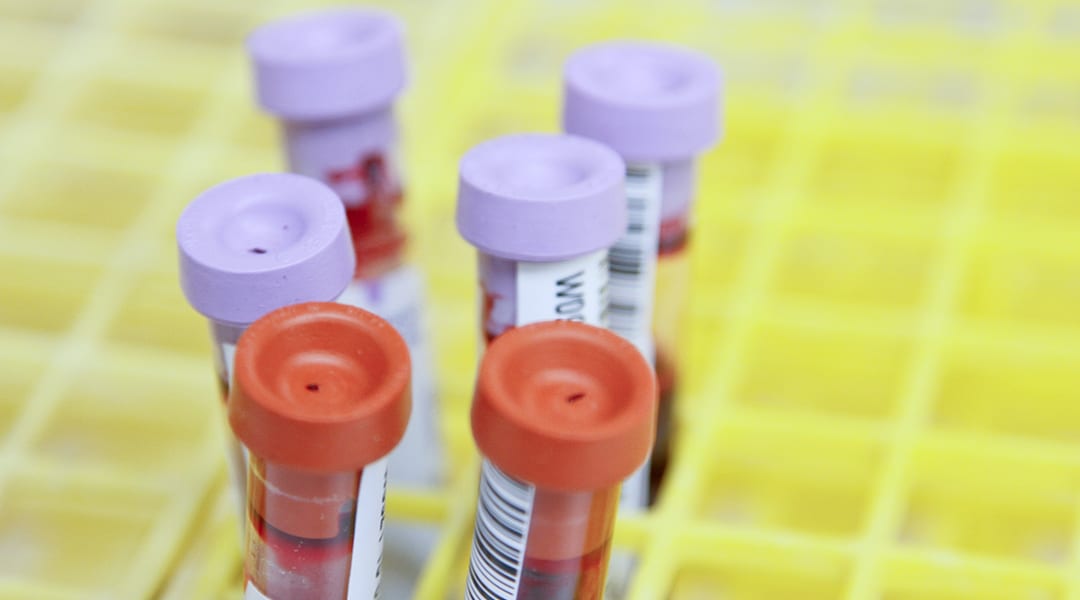
A sensitive blood test for the early diagnosis of Alzheimer’s disease could be possible with nanoparticle arrays.

 Micron-sized hidden dimensions could solve two of physics’ deepest puzzles
 Turning Periods into Power: Menstrual Blood a Valuable Resource for Medical Diagnostics
 Surfactants Steer Supraparticle Structure
 Bone loss in obesity traced to gut microbiota
 Edible electronics realize safe, complex monitoring devices
 Fermilab Confirms Muon g-2 Measurements