The once pristine Arctic Ocean has turned into a pool of plastic debris.


The once pristine Arctic Ocean has turned into a pool of plastic debris.
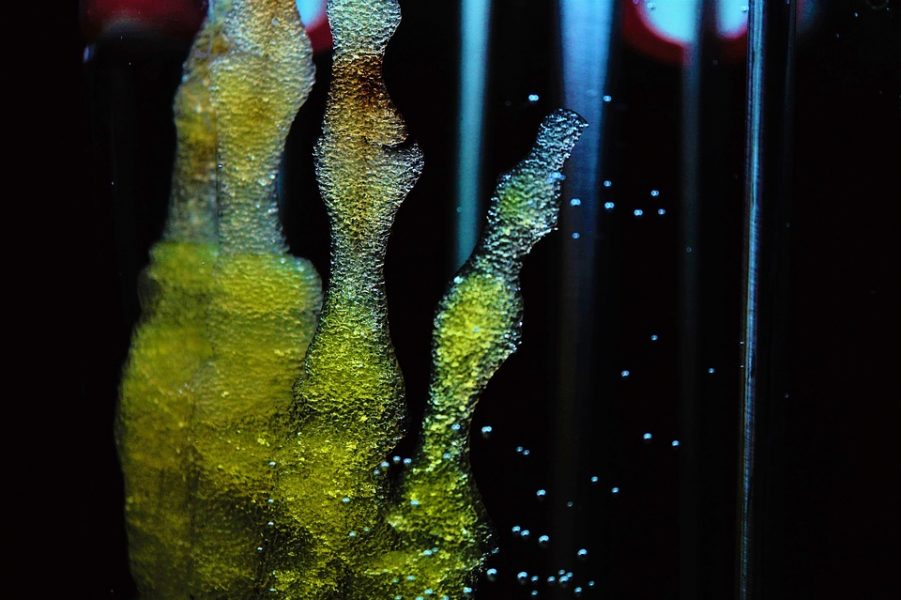
Scientists take us a step closer to making cell transplantation a viable clinical option.
Inactivating viruses from biopharmaceutical source materials can be achieved with detergents. However, the frequently used detergent Triton X-100 is ecotoxic and must be replaced with eco-friendly alternatives.

First practical tests of marine fuel cells on board AIDAnova planned for 2021
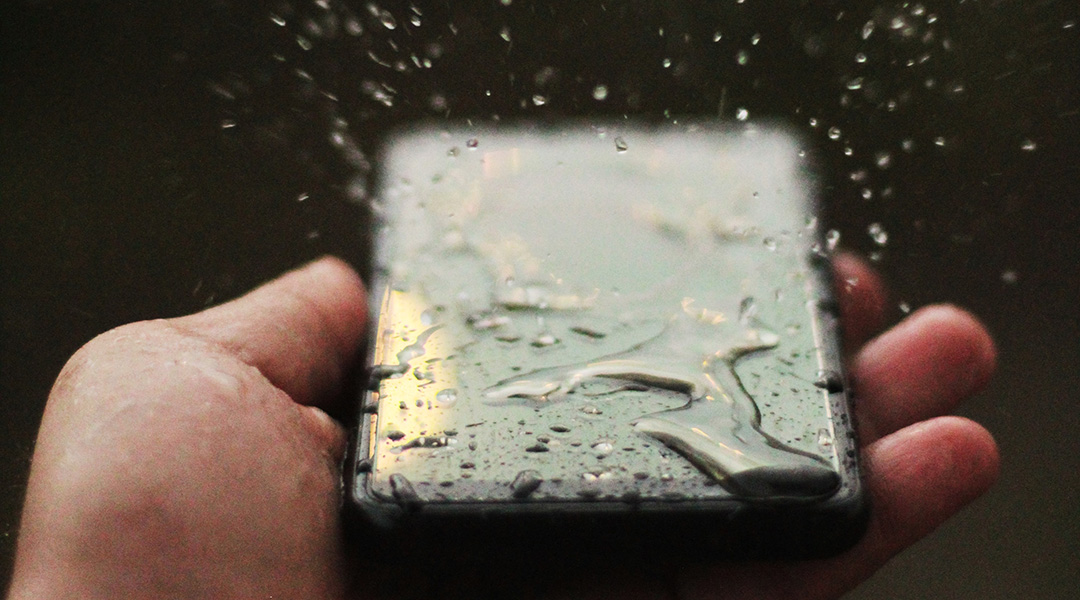
Researchers report flexible, conductive and waterproof fibers for wearable, underwater electronics.

2‐methyl‐4‐chlorophenoxyacetic acid (MCPA) is poorly a understood, yet frequently used herbicide, and further insights into its ecotoxicological effects are required.

A new eco-friendly vodka, created for the first time using the hydrogenation of carbon dioxide to make ethanol.

In this essay, scientists from Spain and Denmark delve into the spectrum of possibilities offered by wearable and implantable healthcare devices and provide new insight into the cyborganic era.

The life of every child born today will be profoundly affected by climate change. Without accelerated intervention, this new era will come to define the health of people at every stage of their lives.
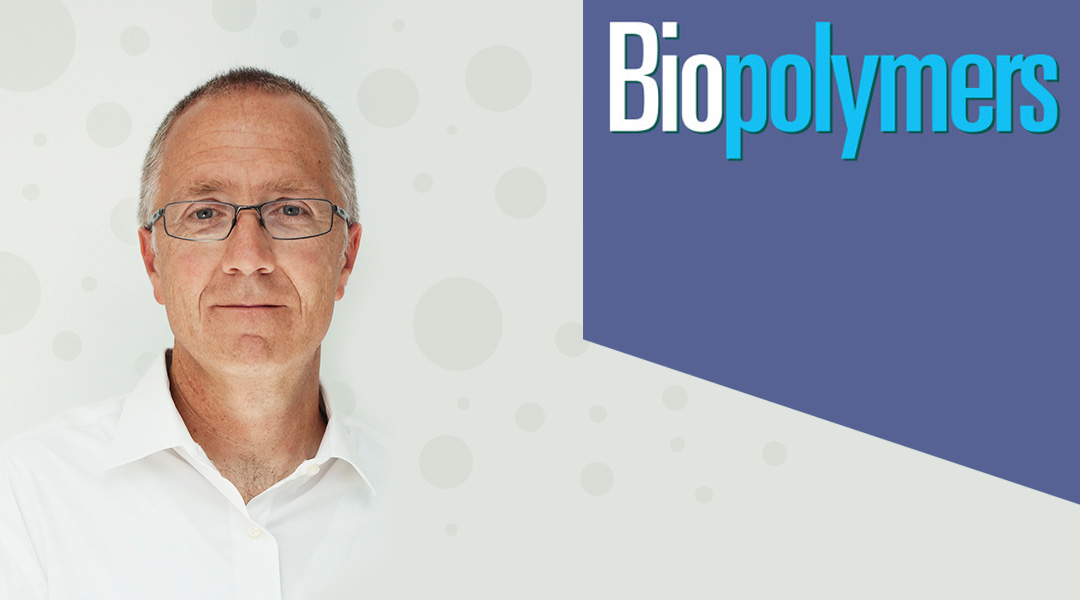
The 2019 Biopolymers Murray Goodman Memorial Prize winner is Eric T. Kool.
 New theory suggests gravity is not a fundamental force
 Higgs boson may be driving the Universe’s expansion
 Water-powered gadgets may be on the horizon thanks to new evaporation-based energy device
 Scientists discover a new class of antibiotics
 Micron-sized hidden dimensions could solve two of physics’ deepest puzzles
 A new type of dark matter could explain mysterious radiation from the Milky Way’s core