To mimic the the interconnected structure of the brain, model organoids can be connected together into larger assemblies.
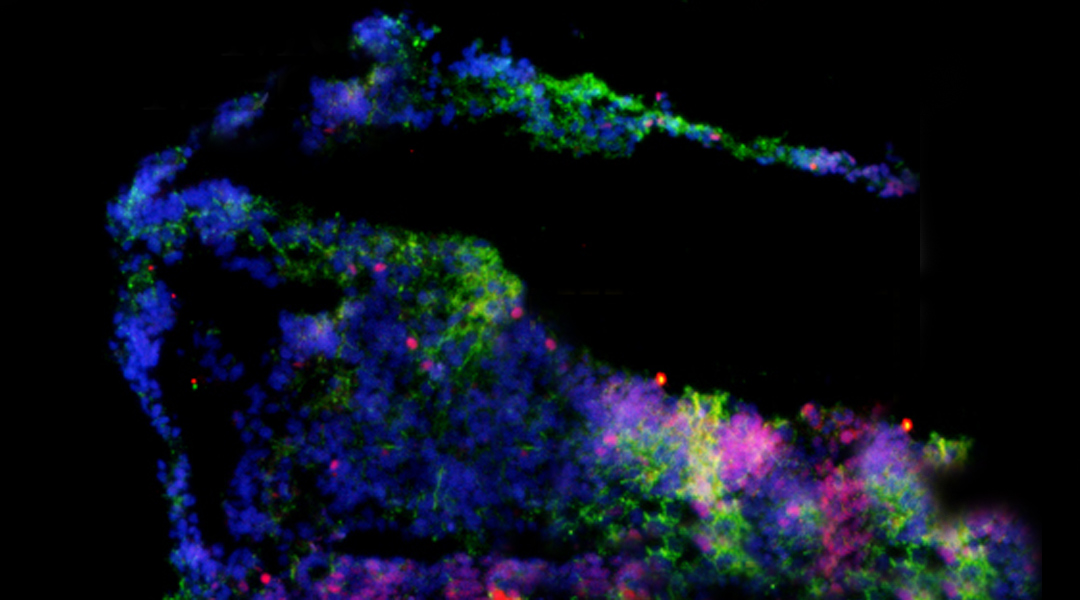

To mimic the the interconnected structure of the brain, model organoids can be connected together into larger assemblies.
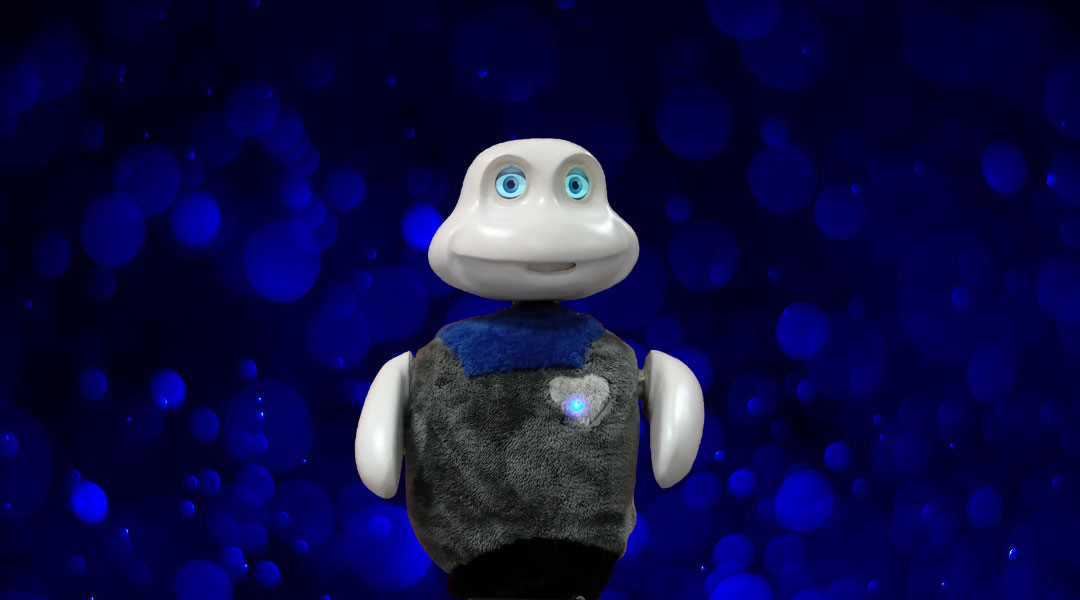
Modeling involuntary aspects of human behavior, such as blinking or even jet lag, might help build trust in robot-human interactions.

Though important, there are trade-offs to achieving the UN’s sustainable development goals when it comes to carbon capture and utilization.
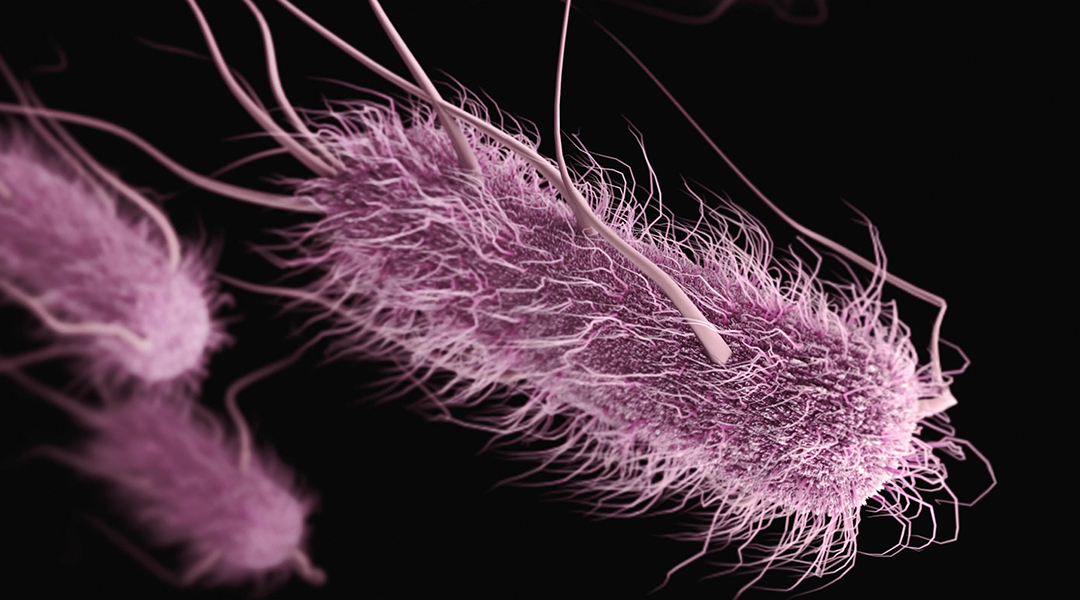
Incorporating polymer skeletons inside bacteria stops them from replicating and results in cyborg cells that are half living, half artificial.
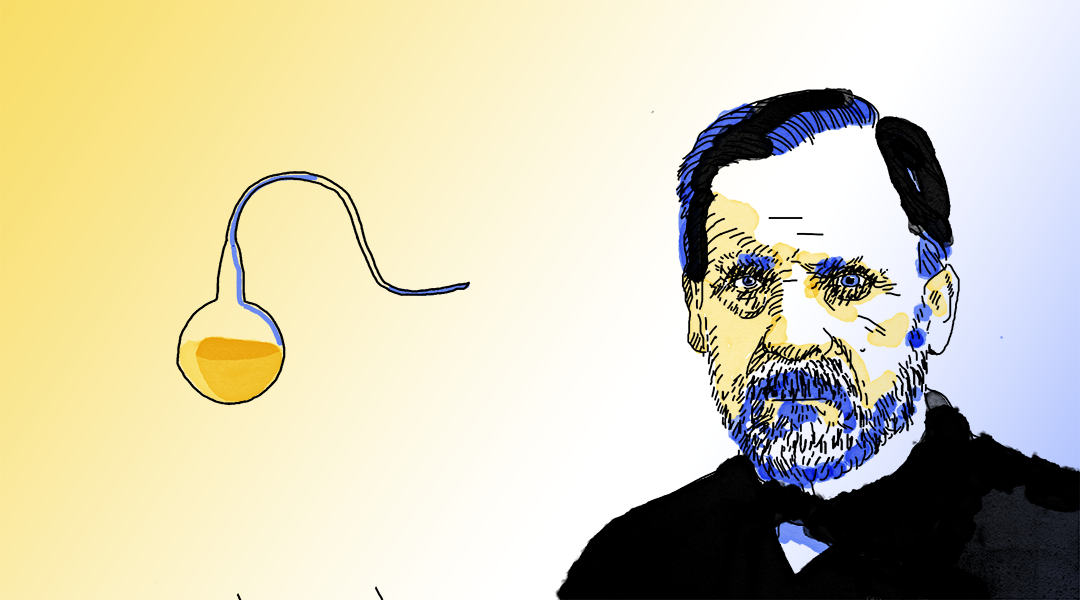
From pasteurization to the first manufactured vaccines, Louis Pasteur made breakthrough discoveries in disease prevention and public health.

Data collected between 2010 and 2020 shows that people are relocating away from hurricanes and heatwaves but towards fire-prone areas.
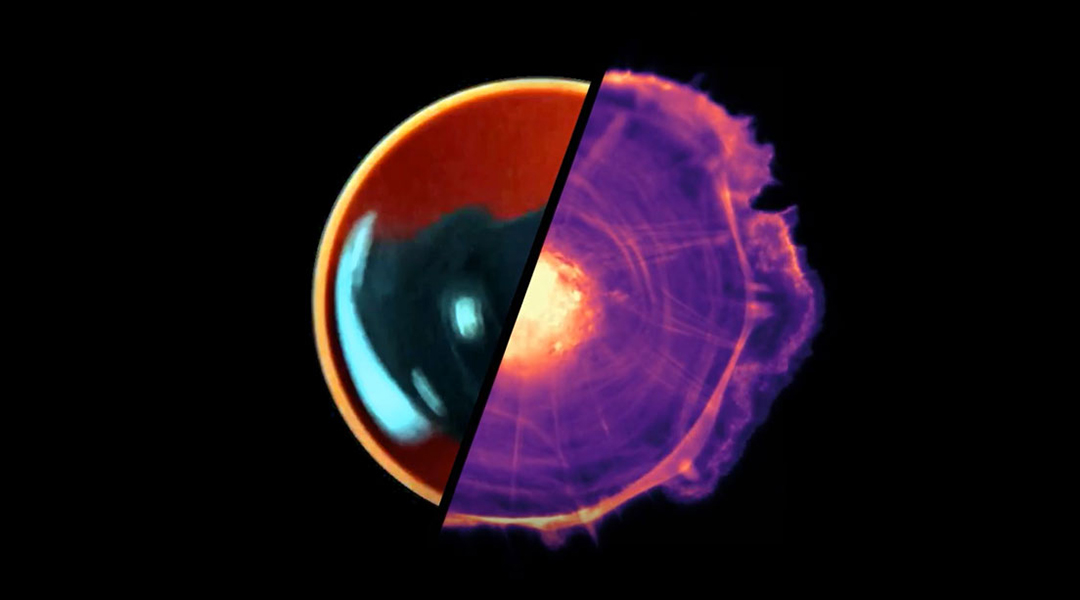
Experiments with cells and toys reveal fundamentals of synchronized movement in both inanimate objects and living groups.

Chemically driven nanomotors may help resolve chronic inflammation in patients with rheumatoid arthritis.

A lot is riding on COP27, and while many are feeling the pull of cynicism, there are still many reasons to remain optimistic.

A new study has found dramatic reorganization in the brain’s language processing areas in adolescents who had suffered a stroke at birth.
 New theory suggests gravity is not a fundamental force
 Higgs boson may be driving the Universe’s expansion
 Water-powered gadgets may be on the horizon thanks to new evaporation-based energy device
 Scientists discover a new class of antibiotics
 Micron-sized hidden dimensions could solve two of physics’ deepest puzzles
 A new type of dark matter could explain mysterious radiation from the Milky Way’s core