A sensor foil made from polymers withstands bending to a radius of 11 mm, and elongation by 1.4% without losing functionality.
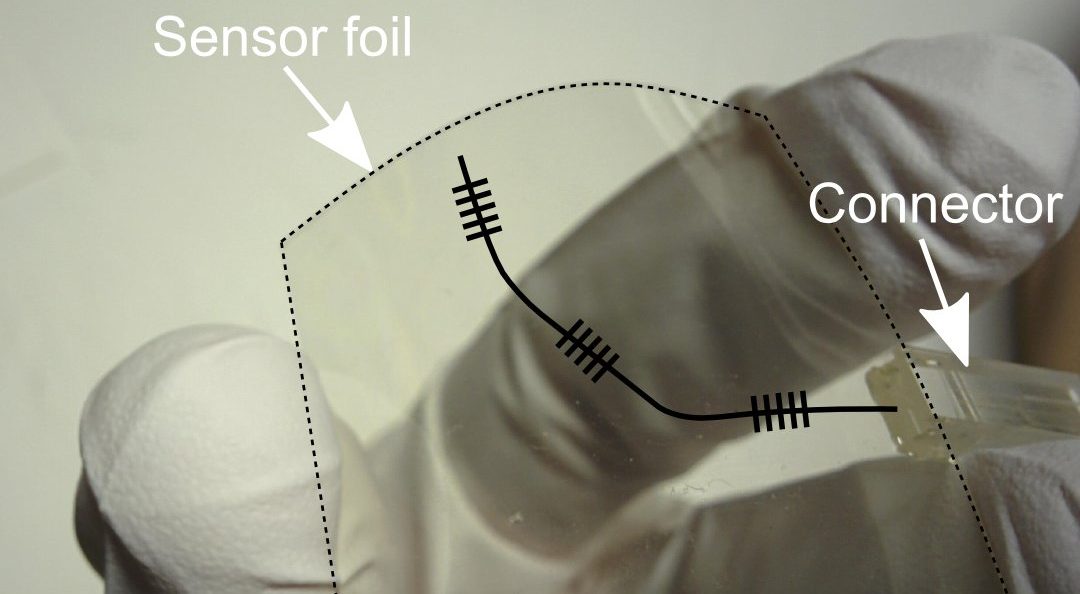

A sensor foil made from polymers withstands bending to a radius of 11 mm, and elongation by 1.4% without losing functionality.

An interplay between two realms is the subject of the Focussed Session: Geometry- and Topology-Controlled Nanoarchitectures at the Joint Meeting of DPG (Deutsche Physikalische Gesellschaft) and EPS (European Physical Society) Condensed Matter Divisions on March 13, 2018 at the TU Berlin.
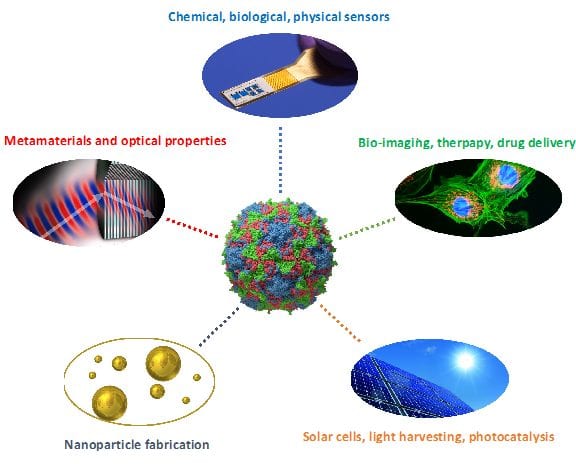
Researchers are taking advantage of 4 billion years of viral evolution to produce robust protein cages for a wide range of applications in nanotechnology.
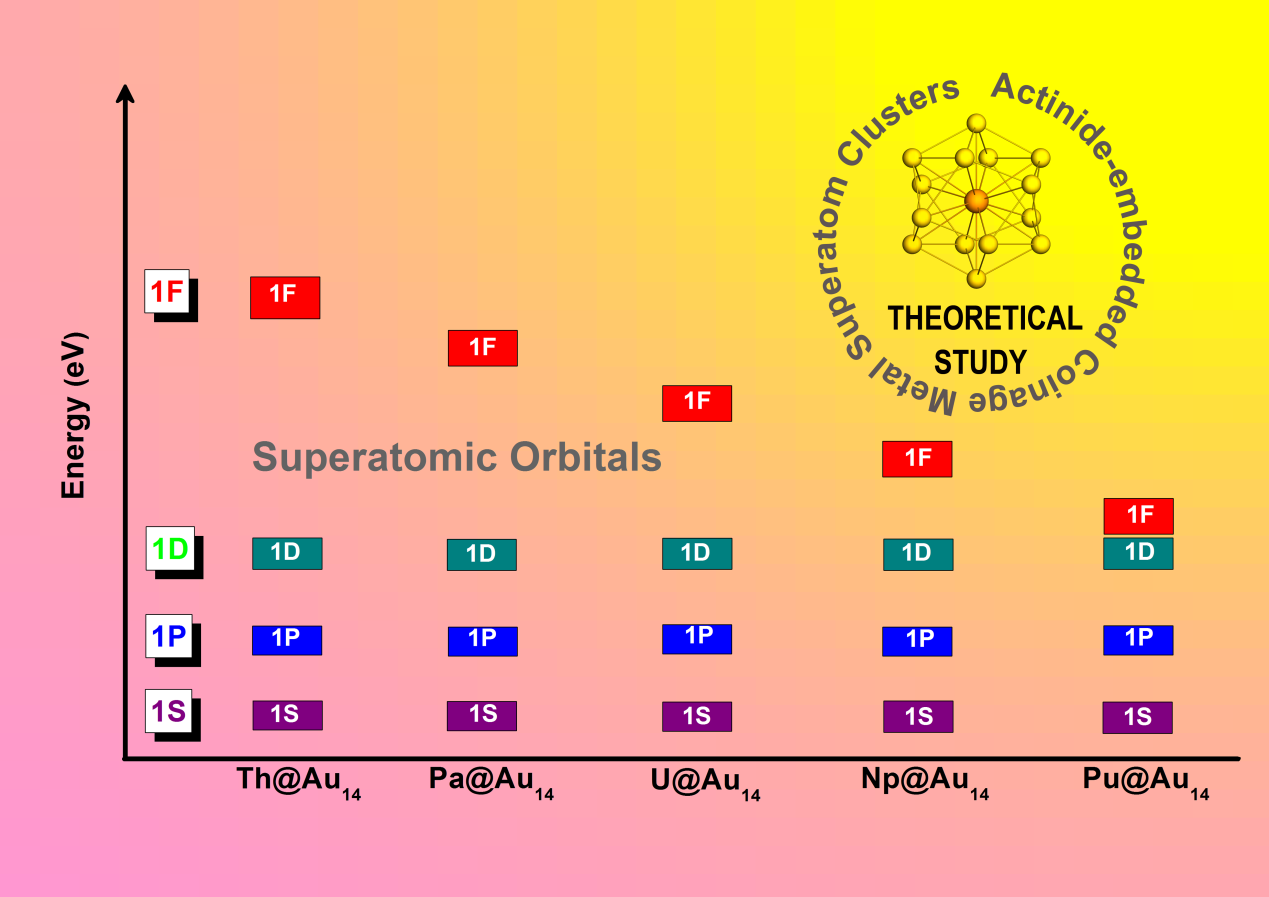
A series of light-actinide-embedded coinage metal superatomic models are designed and revealed an interesting dual nature in superatomic bonding for protactinium, uranium, neptunium, and plutonium.
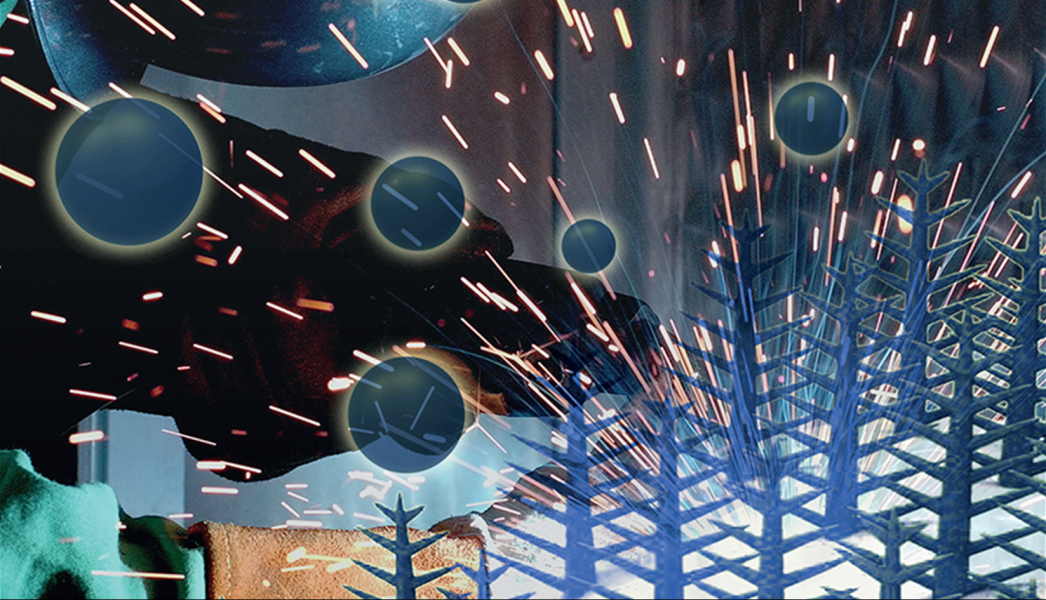
The burgeoning development and sustained production of advances in the booming field of solar-to-energy conversion have inspired a Special Issue specifically dedicated to “Artificial Photosynthesis: Mimicking Nature for Renewable Energy Production” – guest editors Wee-Jun Ong, Zhiqun Lin and Kazunari Domen.

In their review in BioEssays, Karl Duderstadt and colleagues challenge the long-held view that DNA replication follows a single highly reproducible sequence of molecular events.

New transport system is pledging to boosts overall equipment effectiveness

Science fact catches up with science fiction: by exploiting magnetic levitation, biomanufacturing – creating living 3D structures – is now possible in zero gravity. Utkan Demirci discusses how this works.
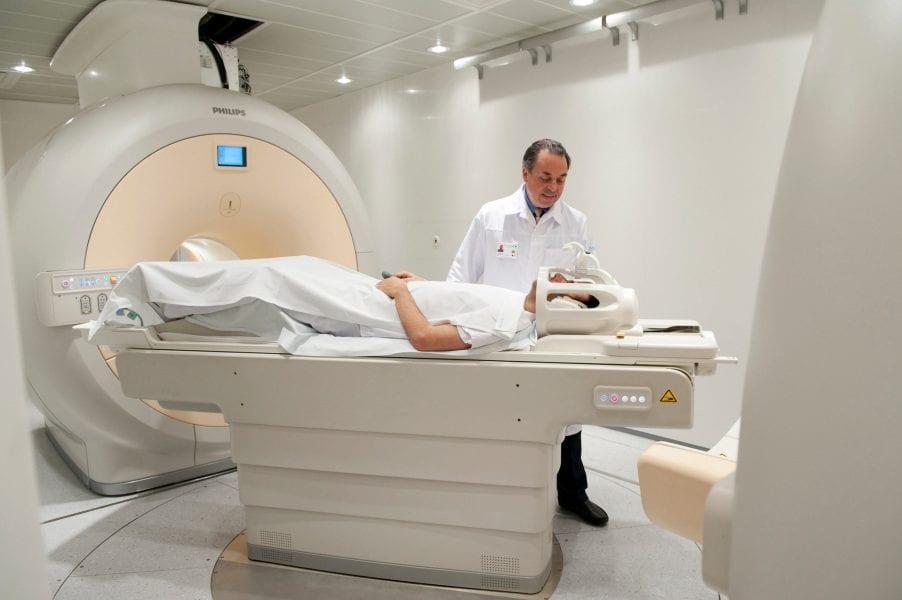
Multifunctional gadolinium-doped titania nanoparticles perform combined diagnostics and treament without compromising the advantages of their components.

A team of Dutch scientist report the use of ultrasound modulated optical tomography (UOT) with heterodyne parallel detection to locally sense and image blood flow deep inside a highly scattering medium.
 New theory suggests gravity is not a fundamental force
 Higgs boson may be driving the Universe’s expansion
 Water-powered gadgets may be on the horizon thanks to new evaporation-based energy device
 Scientists discover a new class of antibiotics
 Micron-sized hidden dimensions could solve two of physics’ deepest puzzles
 A new type of dark matter could explain mysterious radiation from the Milky Way’s core