Imaging a black hole is not an easy thing, it takes years of experiments, collaborations, grants, planning, and no small amount of luck.
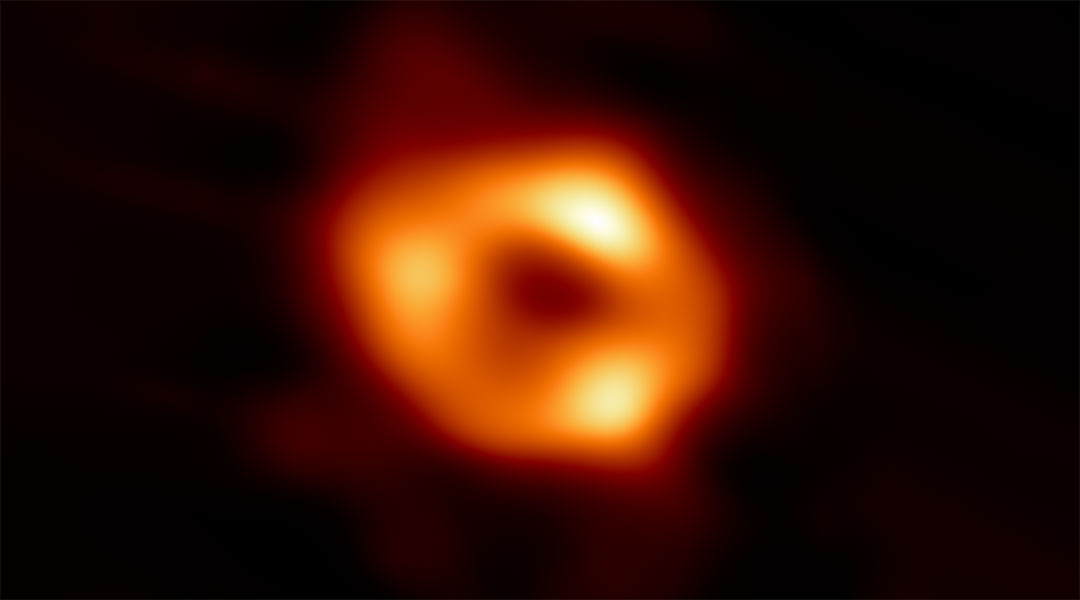

Imaging a black hole is not an easy thing, it takes years of experiments, collaborations, grants, planning, and no small amount of luck.

Cold ytterbium atoms were used to test a fundamental theory which describes phenomena in solids such as magnetism and superconductivity.

A novel recycling process recovers valuable rare earth elements from scrap, minimizing the need for harmful mining operations.

Wouldn’t it be easier to watch a chemical reaction in realtime? NMR with integrated LED lights could make this more feasible.
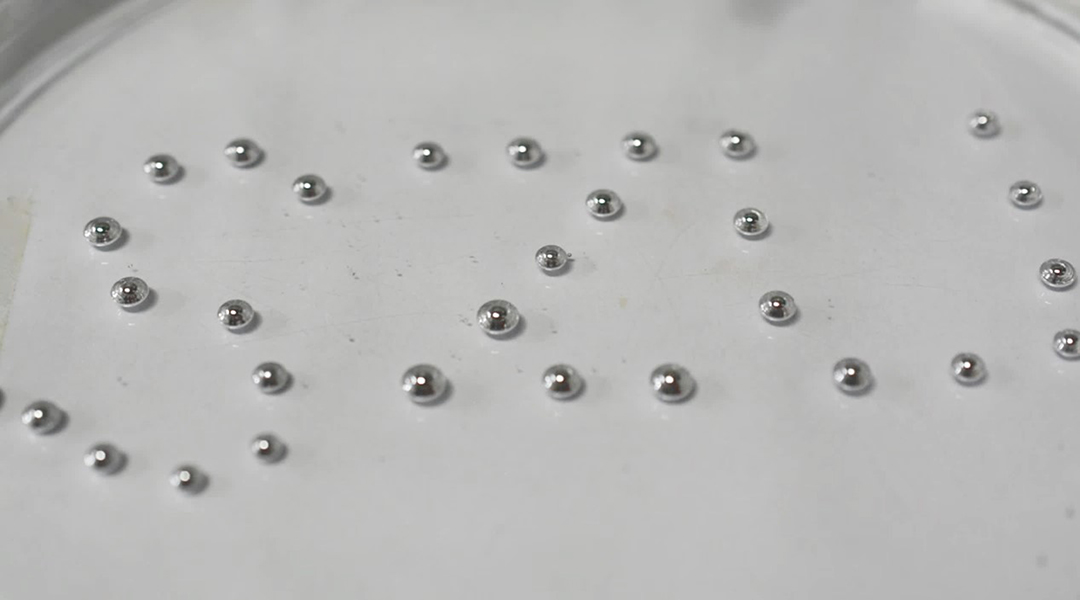
Researchers leech off the natural world to develop dynamic liquid metal robots for electrical circuits.
A new experimental technique could push the capabilities of particle accelerators in exploring the subatomic world.
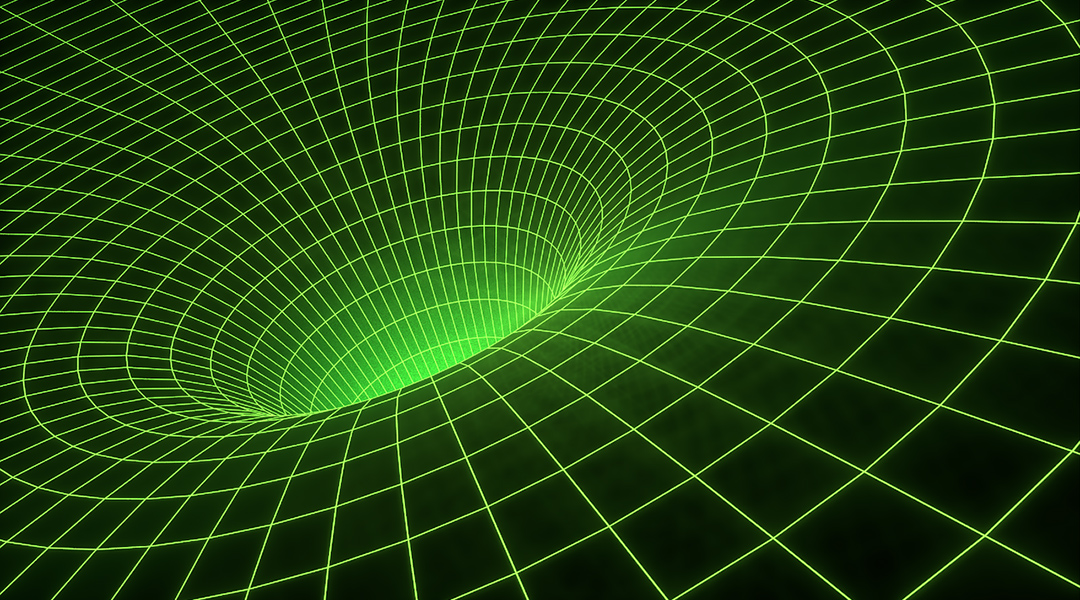
To address unknown quantum gravitational effects in the early universe, physicists have recruited string theory to help solve the problem.
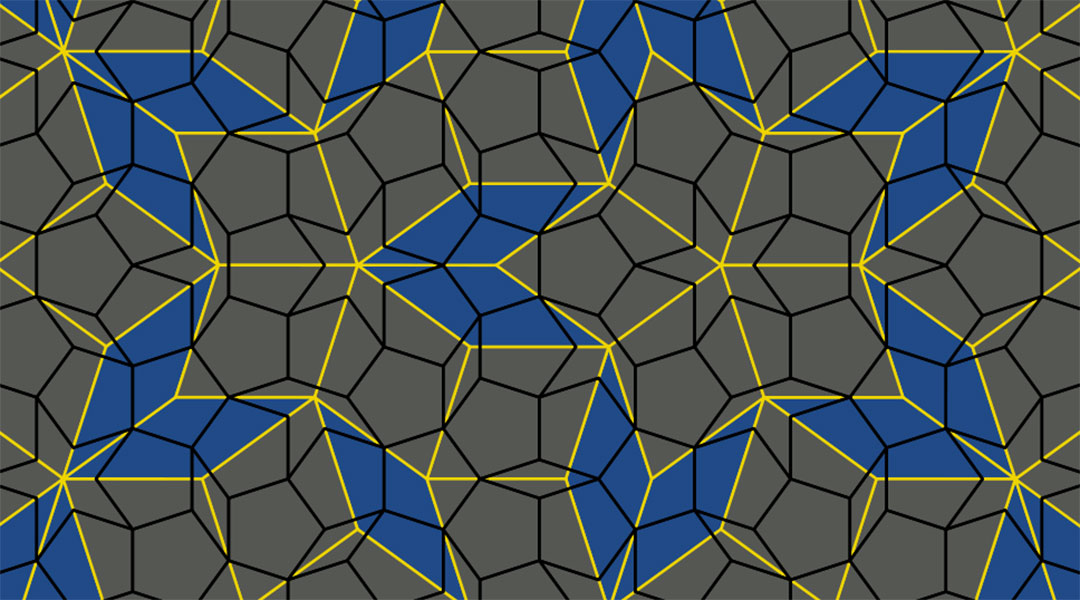
Extra time dimensions provide scientists with a new way to think about phases of matter for more stable qubits and robust quantum computers.
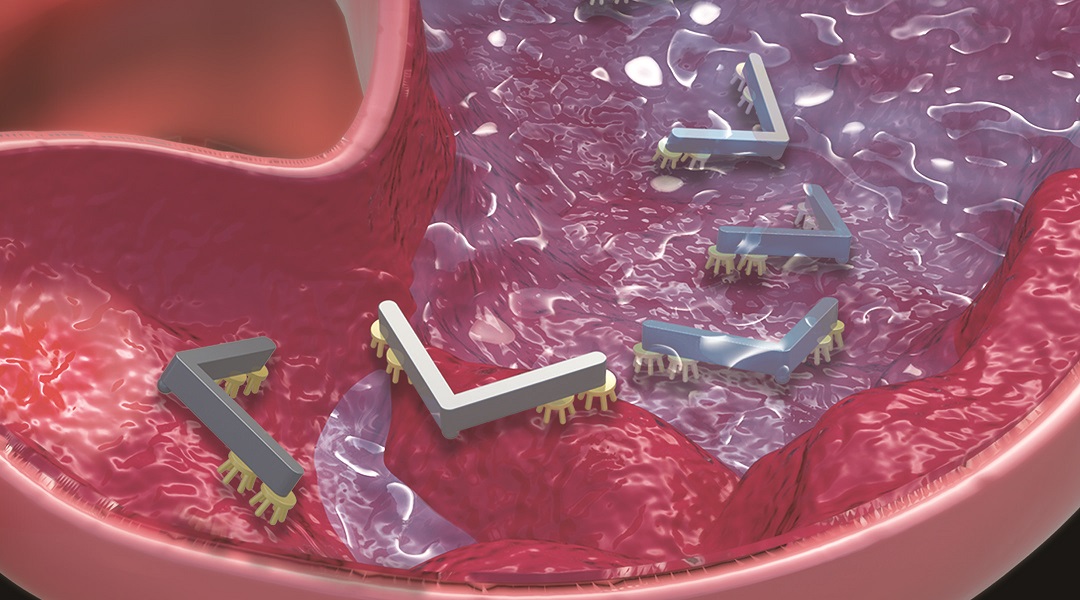
Microrobots dubbed “microwalkers” can both swim and walk, allowing them to transverse challenging biological environments.

Glimpse into the notebooks of physicist John Wheeler, which capture his eclectic, crazy, and yet never one-dimensional ideas.
 New theory suggests gravity is not a fundamental force
 Higgs boson may be driving the Universe’s expansion
 Water-powered gadgets may be on the horizon thanks to new evaporation-based energy device
 Scientists discover a new class of antibiotics
 Micron-sized hidden dimensions could solve two of physics’ deepest puzzles
 A new type of dark matter could explain mysterious radiation from the Milky Way’s core