Regnase-1 is critical for the degradation of mRNAs involved in immune responses as well as other various biological processes.
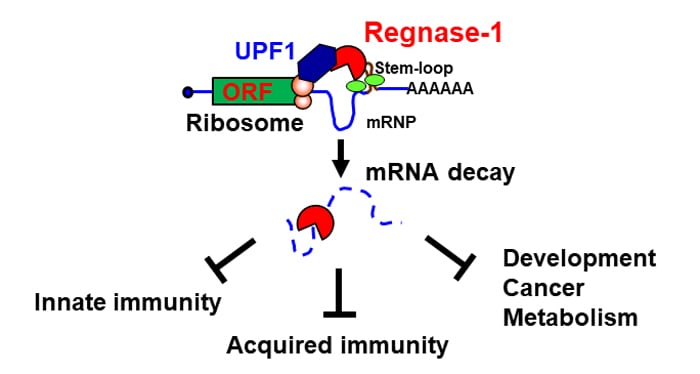

Regnase-1 is critical for the degradation of mRNAs involved in immune responses as well as other various biological processes.

This week’s Advanced Healthcare Materials cover manuscripts.
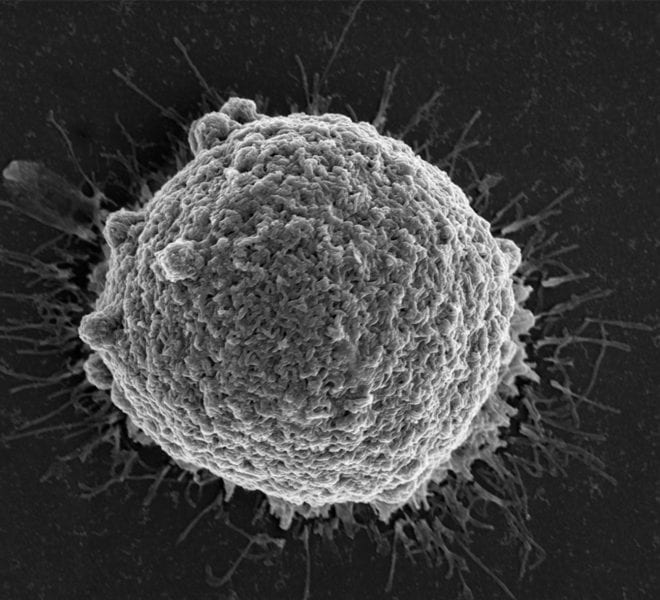
Fc-Mannose Binding Lectin presents a new broad-spectrum capture molecule for circulating tumor cells.

CT imaging enables real-time, non-invasive tracking of therapeutic cells labeled with gold nanoparticles. (Image credit: Africa Studio/Shutterstock)

Extracellular vesicles are highly biocompatible and efficient carriers for targeted and personalized drug delivery.
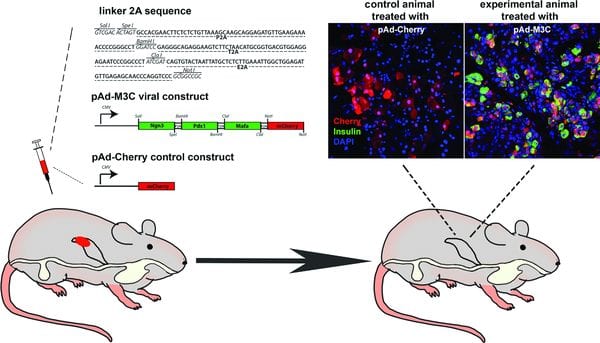
A robust and reproducible method for “direct programming” of acinar cells into functional beta cells with a polycistronic viral construct and viral transduction of pancreatic tissue in vivo in mice is described.
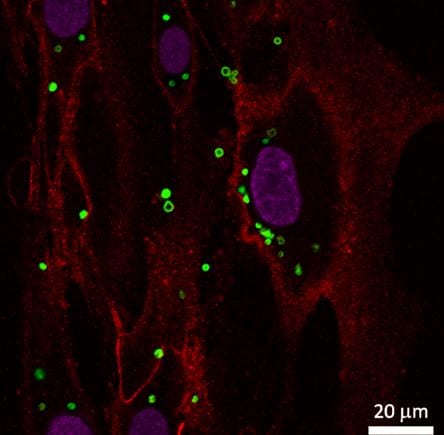
Scientists from Tomsk Polytechnic University have obtained magnetic stem cells with low toxicity and enough stable for gene engineering applications.
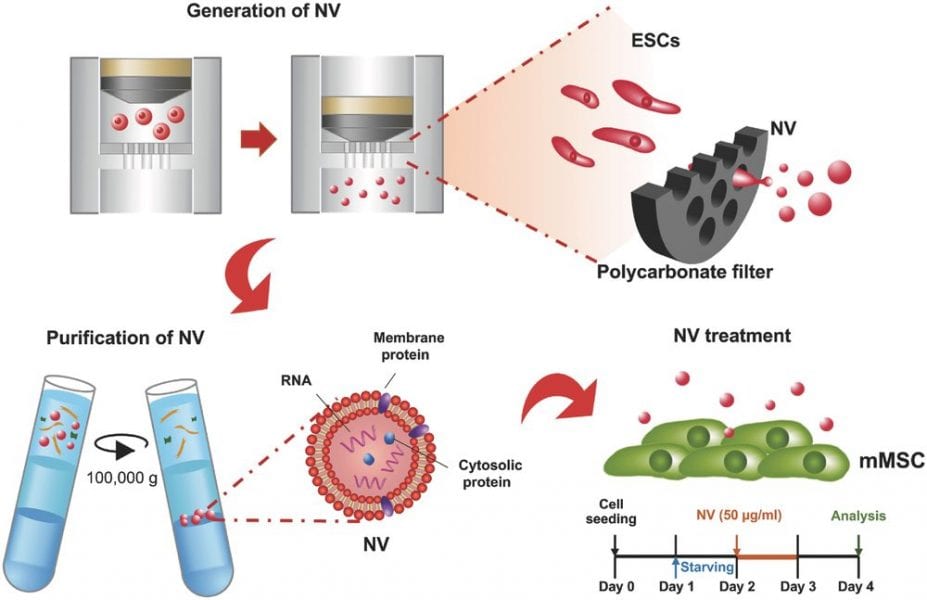
“Man-made” extracellular vesicle-mimetic nanovesicles developed with characteristics similar to those of extracellular vesicles.
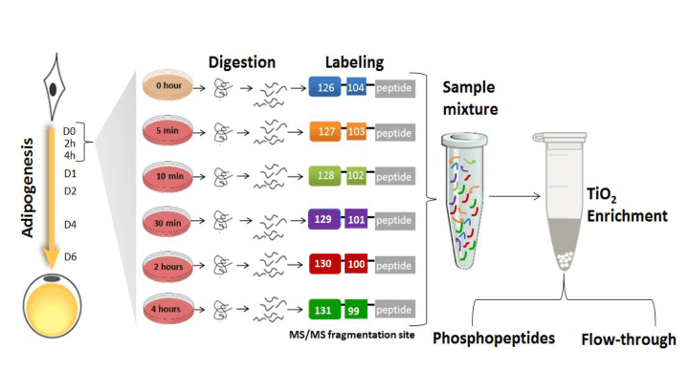
Fat is stored in adipocytes in the adipose tissue. In addition, the tissue contains other cell types including fibroblasts, vascular endothelial cells, immune cells and preadipocytes.
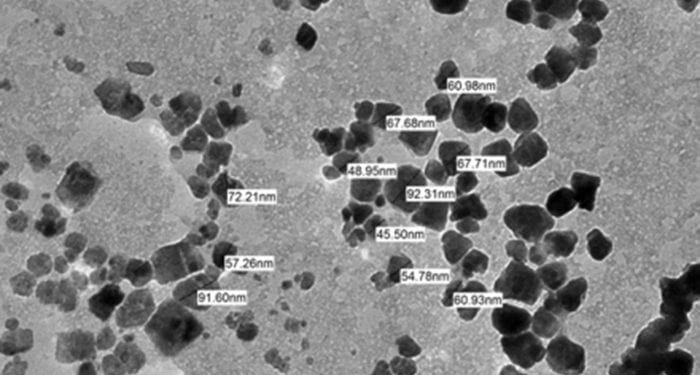
Natural polymers- based nanoparticles are widely used for biomedical purposes as they are highly biocompatible and biodegradable. Yet potential unexpected side effects have to be taken into account.
 New theory suggests gravity is not a fundamental force
 Higgs boson may be driving the Universe’s expansion
 Water-powered gadgets may be on the horizon thanks to new evaporation-based energy device
 Scientists discover a new class of antibiotics
 Micron-sized hidden dimensions could solve two of physics’ deepest puzzles
 A new type of dark matter could explain mysterious radiation from the Milky Way’s core