A new take on CRISPR allows researchers to “paint” cells and observe never-before-seen cellular processes in great detail.
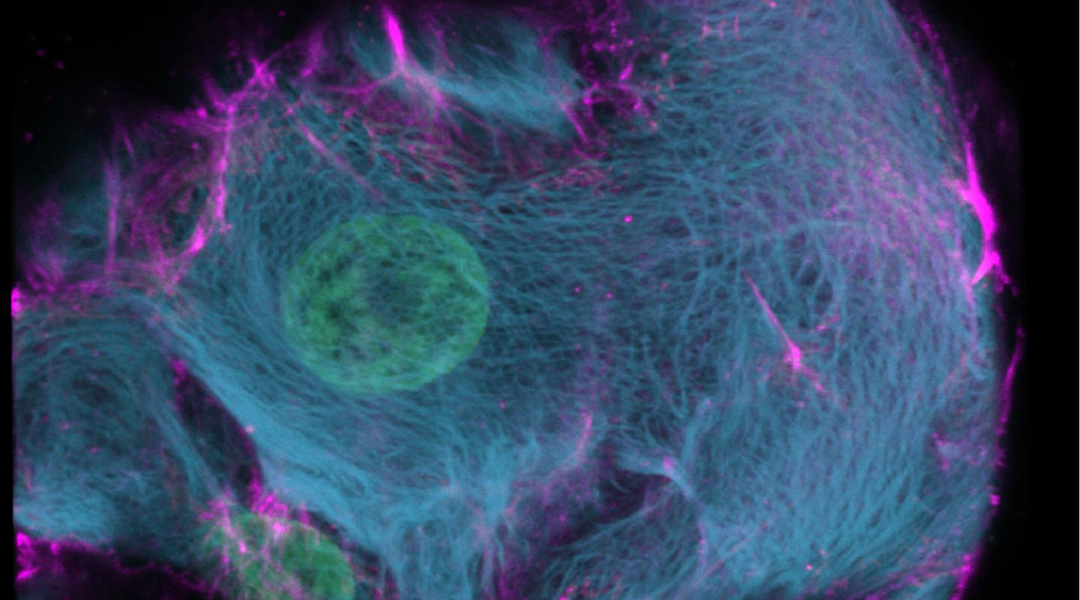

A new take on CRISPR allows researchers to “paint” cells and observe never-before-seen cellular processes in great detail.
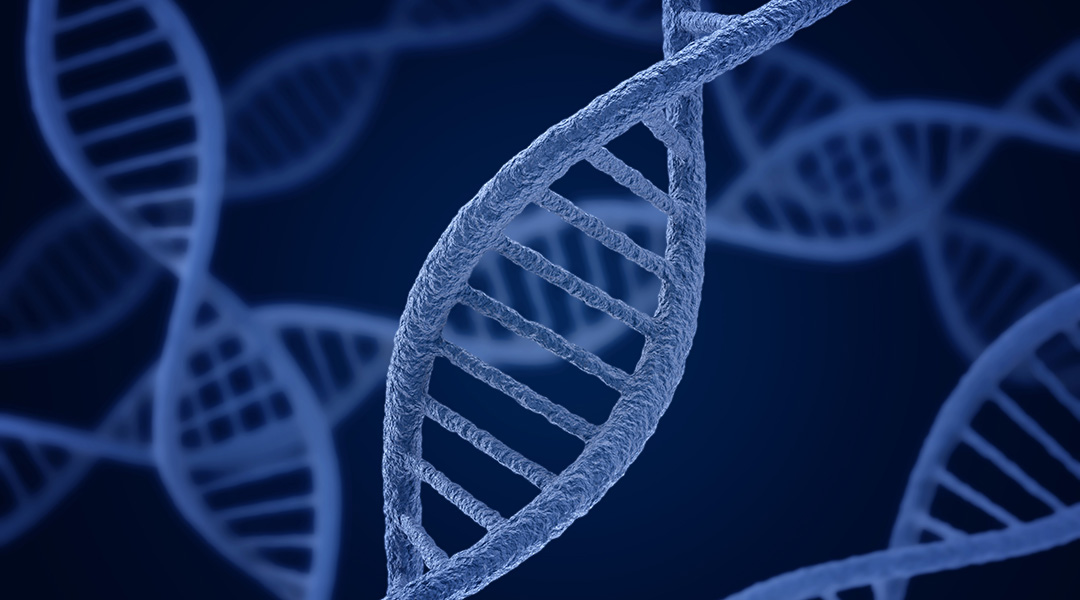
The first human trial using CRISP-edited genes to fight cancer has promising results.
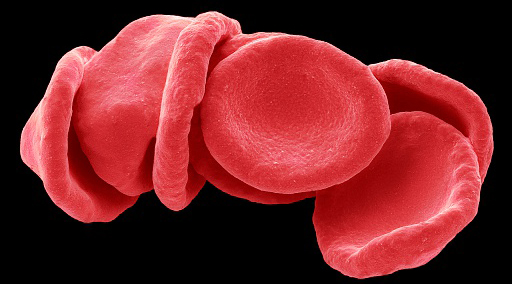
Physicists design super-human red blood cells to deliver drugs to specific targets.
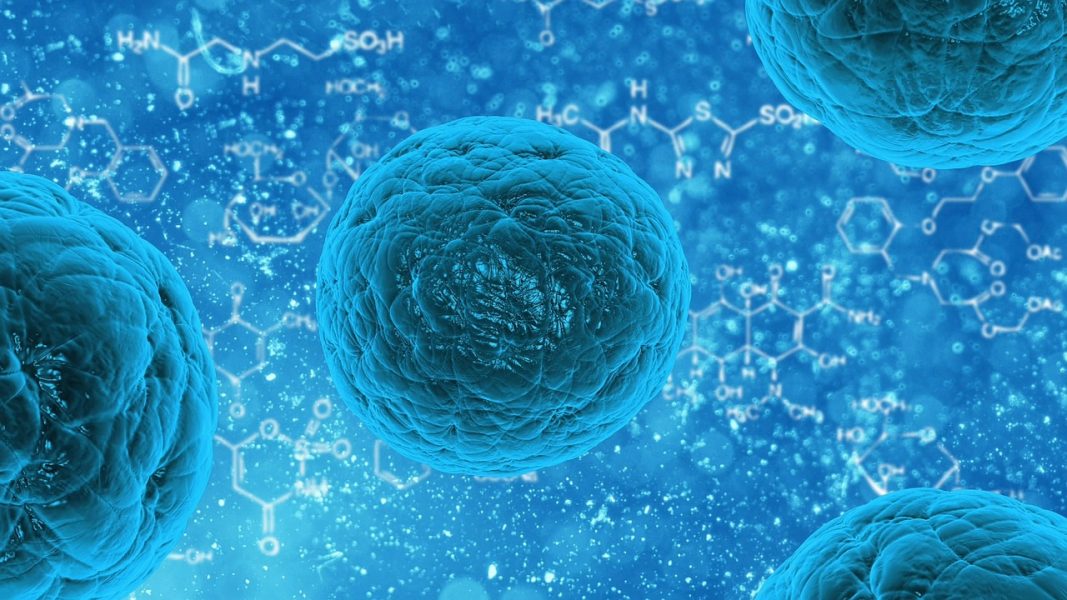
How T cells maintain homeostasis and maximize the size of the peripheral T cell pool are important questions that have fascinated both immunologists and mathematicians.
Cellular signaling is investigated using a subset of human B cells.
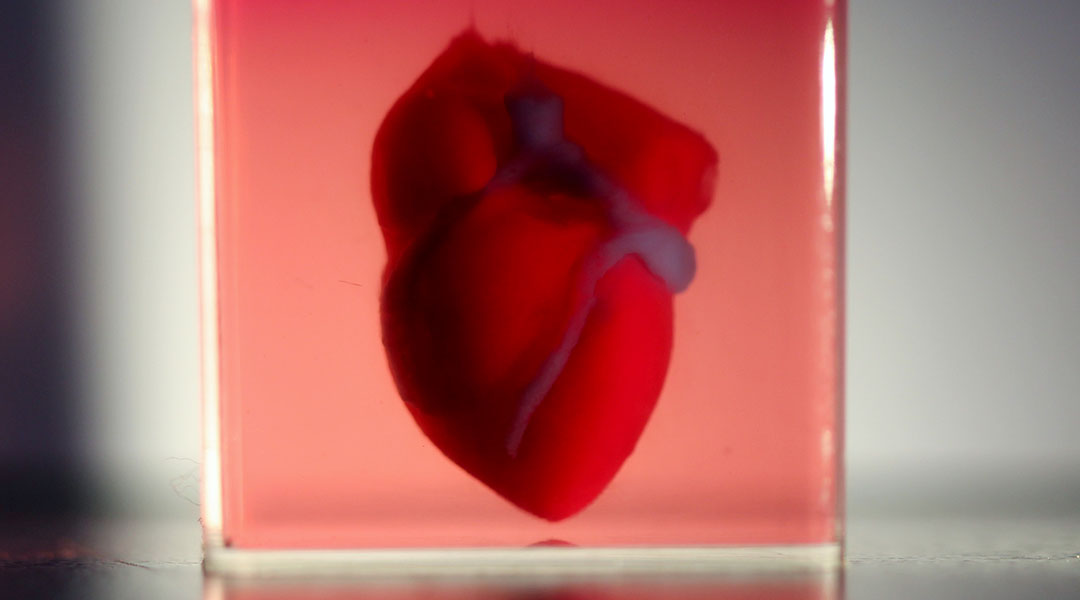
Israeli scientists have engineered a heart that completely matches the cellular and anatomical properties of the patient.
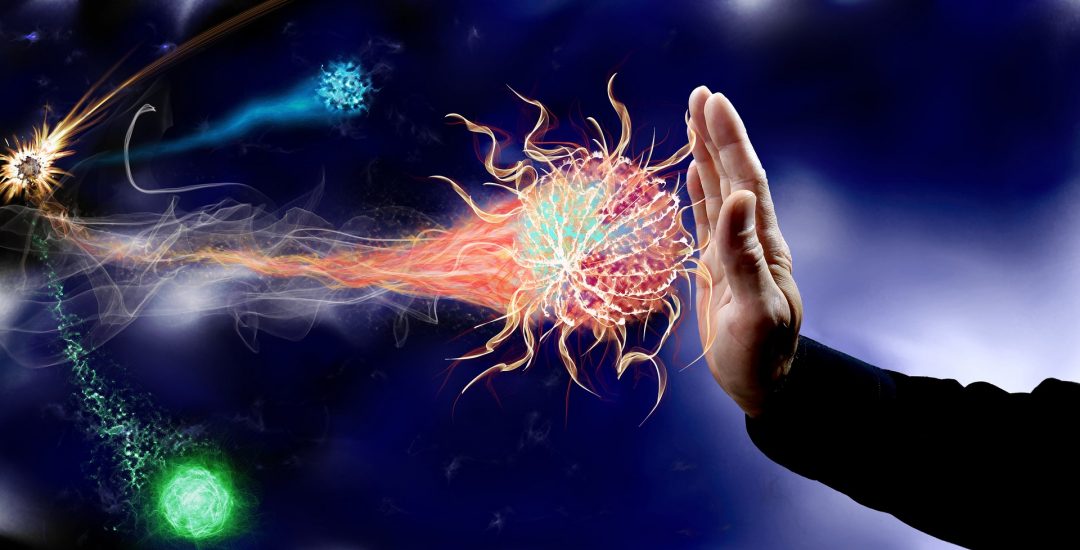
A platform to self‐assemble immune signals into nanostructured capsules is discussed.
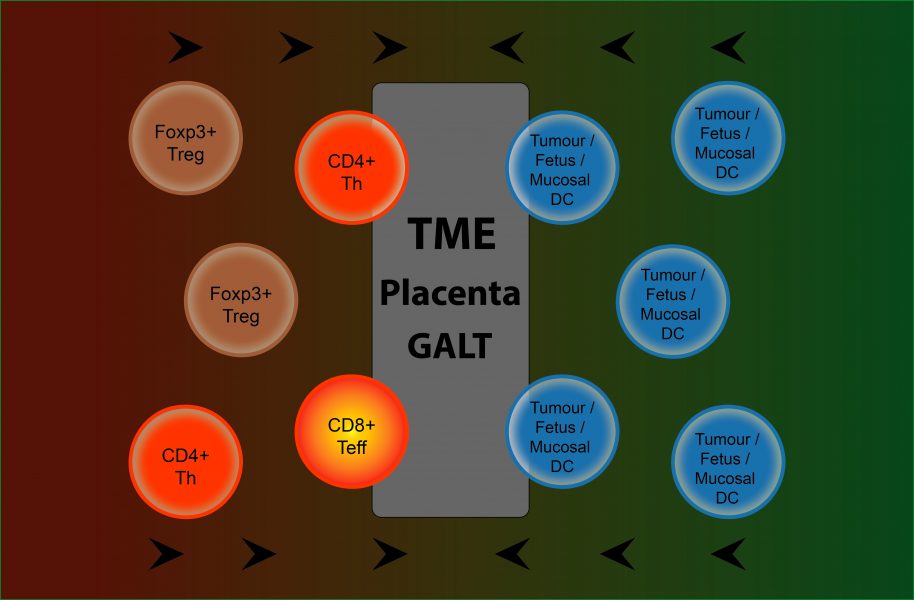
In their ‘Think again’ article published in BioEssays, Megan Barnet and colleagues discuss how insights from fetal allografts and microbes can lead to a better understanding of immune tolerance in cancer.

American researchers designed a smartphone octo‐channel optosensor (SOS) for low‐cost low‐volume lab tests as a mHealth diagnostic tool.
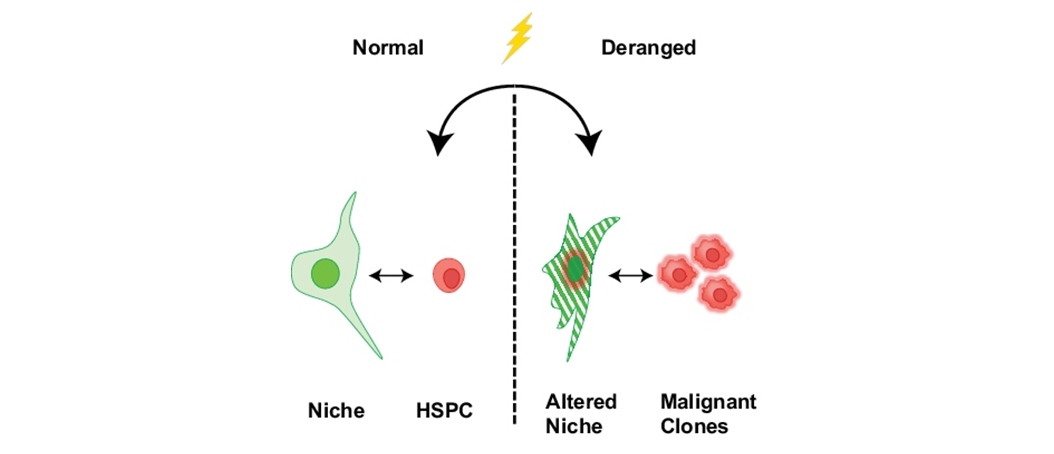
Recent findings on the roles and identity of the bone marrow microenvironment and how these niches might be targeted in the case of diseases are discussed.
 New theory suggests gravity is not a fundamental force
 Higgs boson may be driving the Universe’s expansion
 Water-powered gadgets may be on the horizon thanks to new evaporation-based energy device
 Scientists discover a new class of antibiotics
 Micron-sized hidden dimensions could solve two of physics’ deepest puzzles
 A new type of dark matter could explain mysterious radiation from the Milky Way’s core