Scientists are approaching disease and diagnosis in a new way, leverage big data to provide better options for both clinicians and patients.

Scientists are approaching disease and diagnosis in a new way, leverage big data to provide better options for both clinicians and patients.
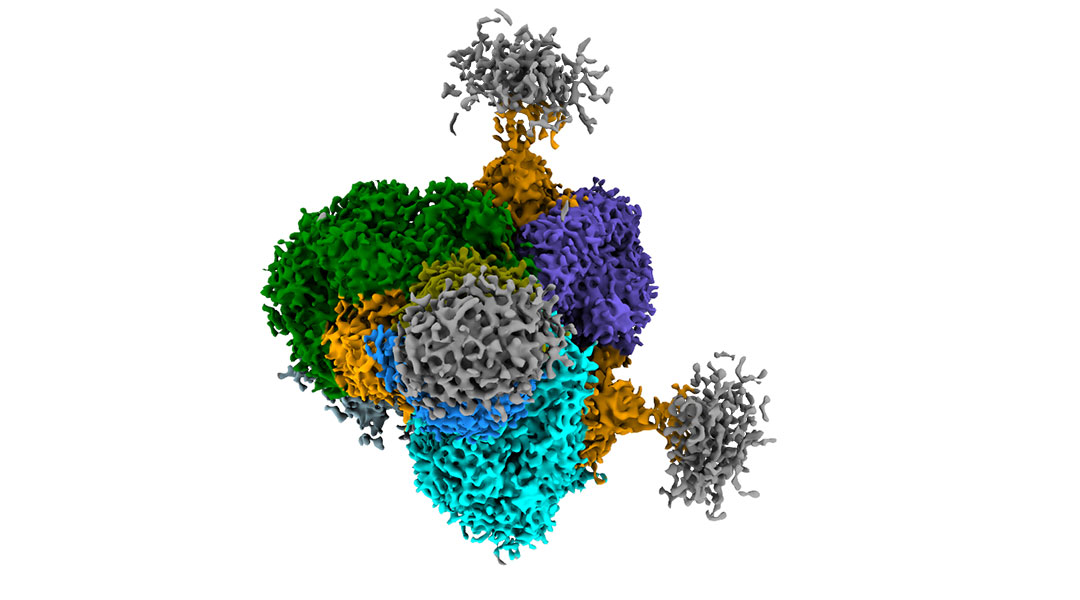
A potent antibody therapy derived from llamas was found to broadly neutralize numerous strains of HIV-1.
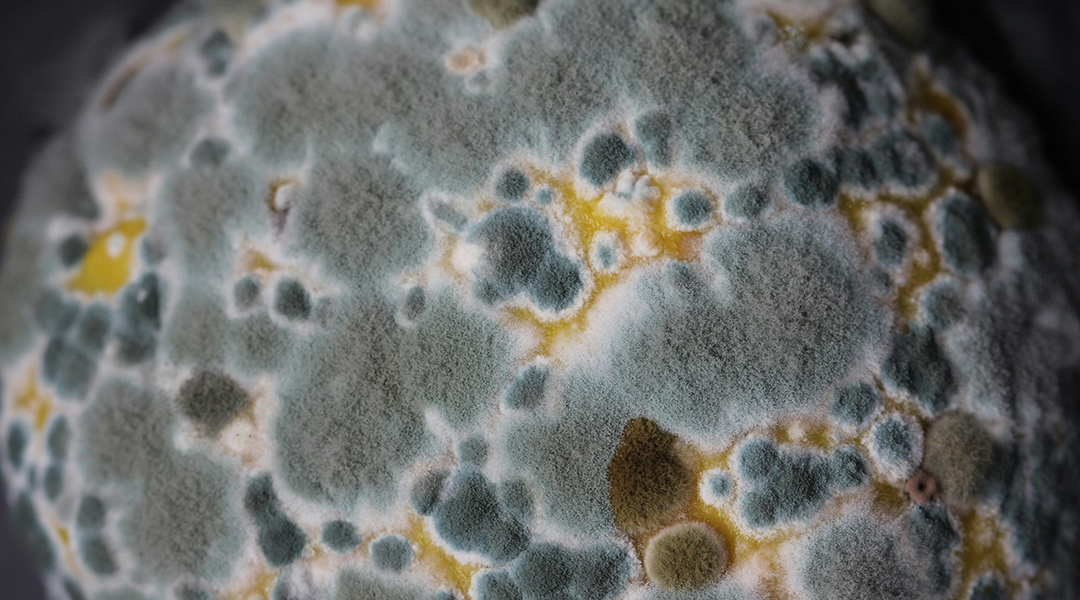
A vaccine to prevent melioidosis, a tropical bacterial disease and possible bioterrorism threat, succeeded in initial trials.
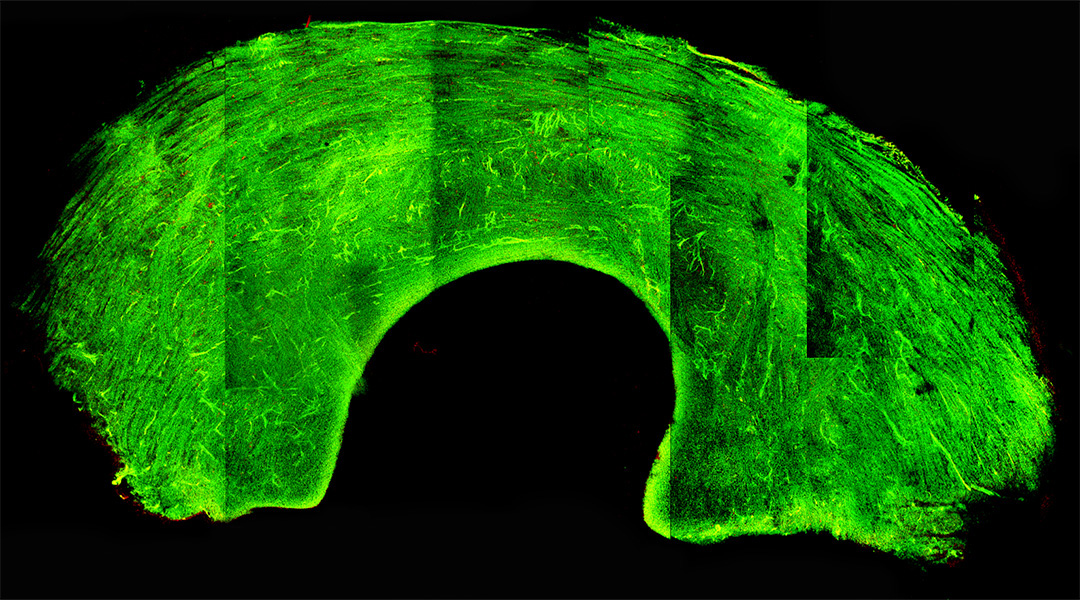
A cryopreservation technique puts graft tissue into a glass-like state, preserving cells and viability during long-term storage.
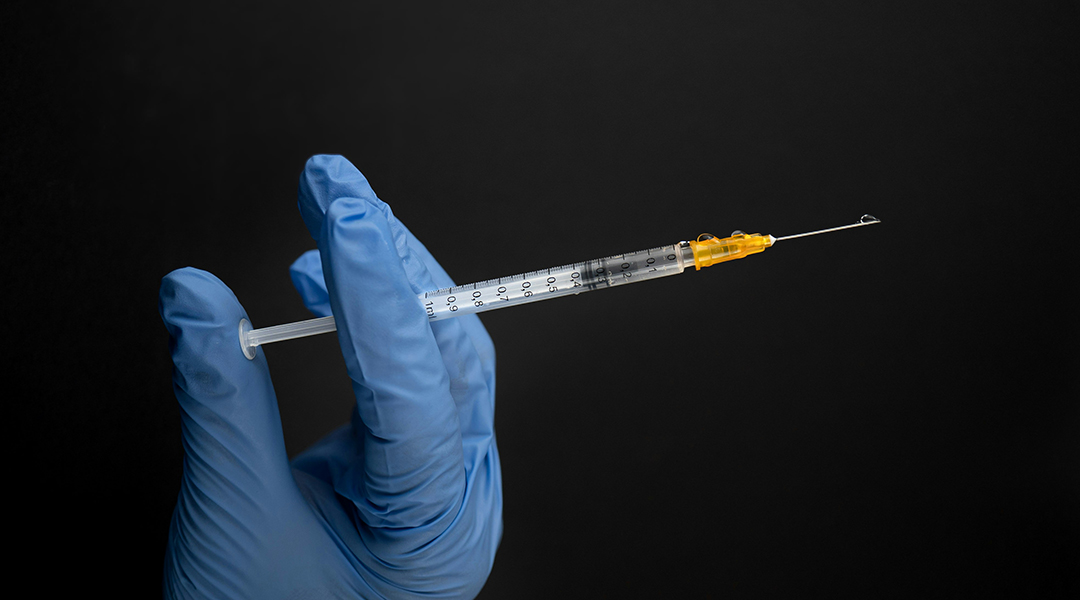
Hydrogel-based microspheres better control the release of drugs, providing better post-op pain relief and fewer side effects.
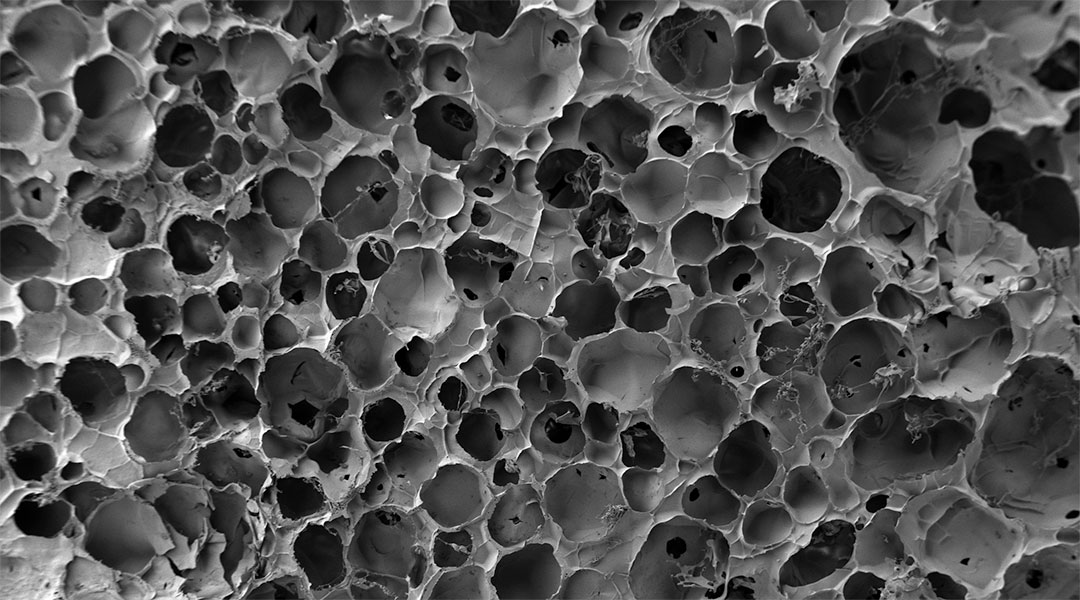
A superior surgical sealant mimics the structural and mechanical properties of lung tissue to repair air leaks after surgery.
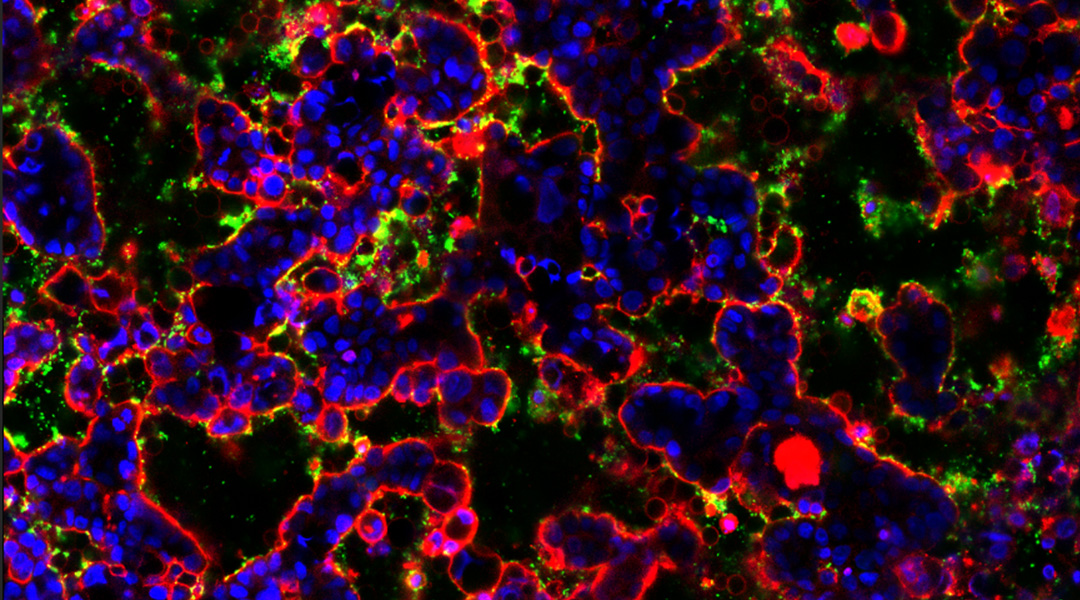
This artificial gut will allow scientists to gain deeper insights into the biome that exists there and how dysregulation can lead to disease.
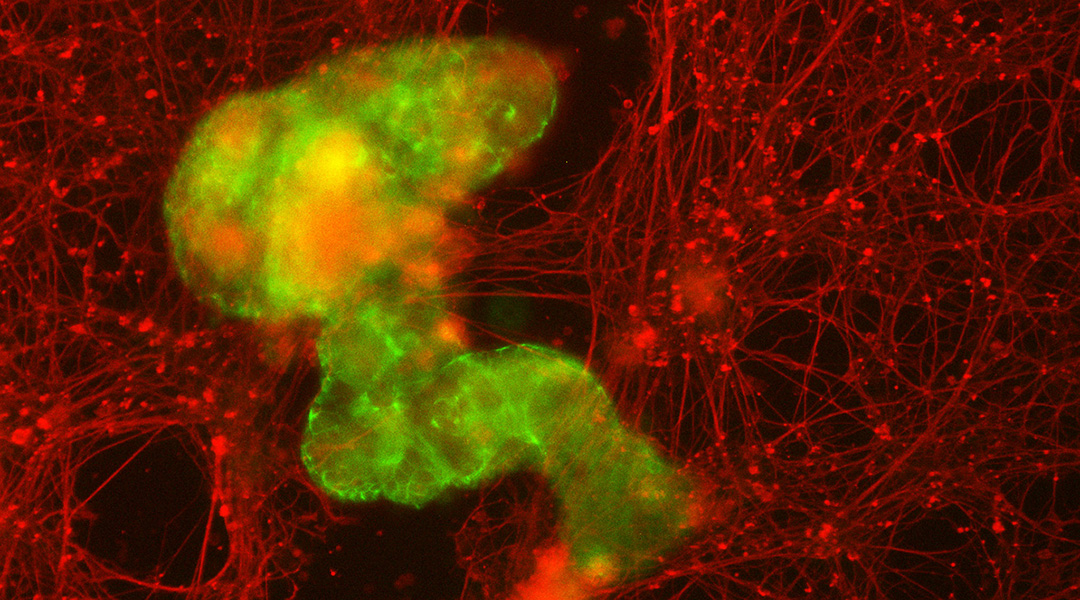
Microscopic robots made out of a patient’s own cells may be able to work inside the body to repair damage, scope out signs of disease, or fight off infections.

Click chemistry spins bacterial-produced spider silk into a biomedical marvel, promising innovations in fiber optics, wound healing, and tissue regeneration.

Cutting short “shut eye” by just an hour and a half a night directly impairs blood vessel cells in healthy women.
 New theory suggests gravity is not a fundamental force
 Higgs boson may be driving the Universe’s expansion
 Water-powered gadgets may be on the horizon thanks to new evaporation-based energy device
 Scientists discover a new class of antibiotics
 Micron-sized hidden dimensions could solve two of physics’ deepest puzzles
 A new type of dark matter could explain mysterious radiation from the Milky Way’s core