Using theoretical and experimental analysis, researchers aim to better understand the novel and intriguing magnetic properties of 2D materials for the next generation of information technologies.
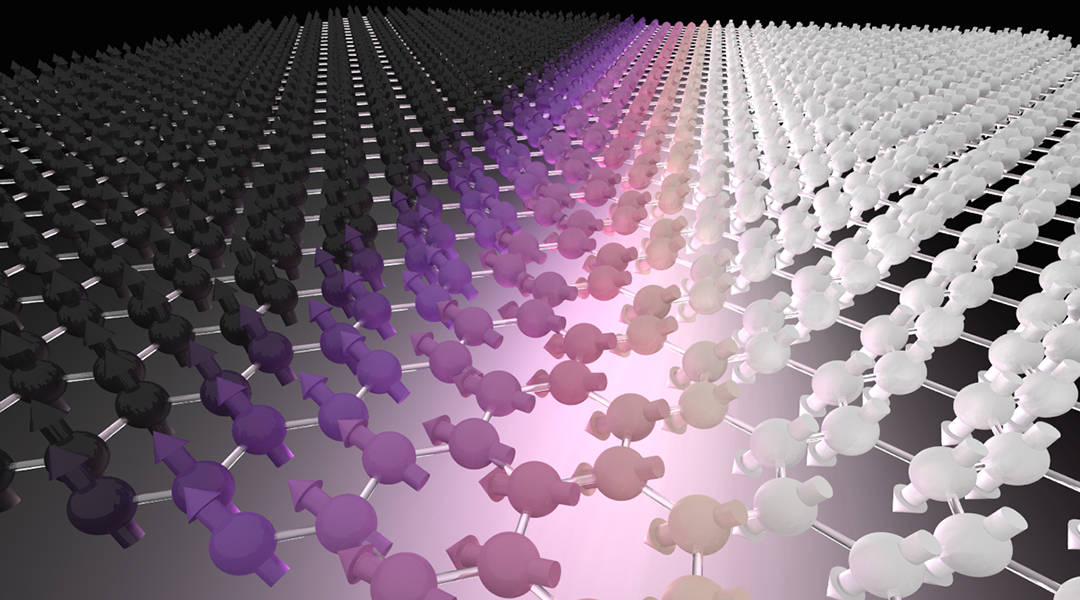

Using theoretical and experimental analysis, researchers aim to better understand the novel and intriguing magnetic properties of 2D materials for the next generation of information technologies.

Graphene-based biosensors incorporated in arrays of microneedles are emerging as an alternative to hypodermic needles and could be the next generation of blood sampling devices.
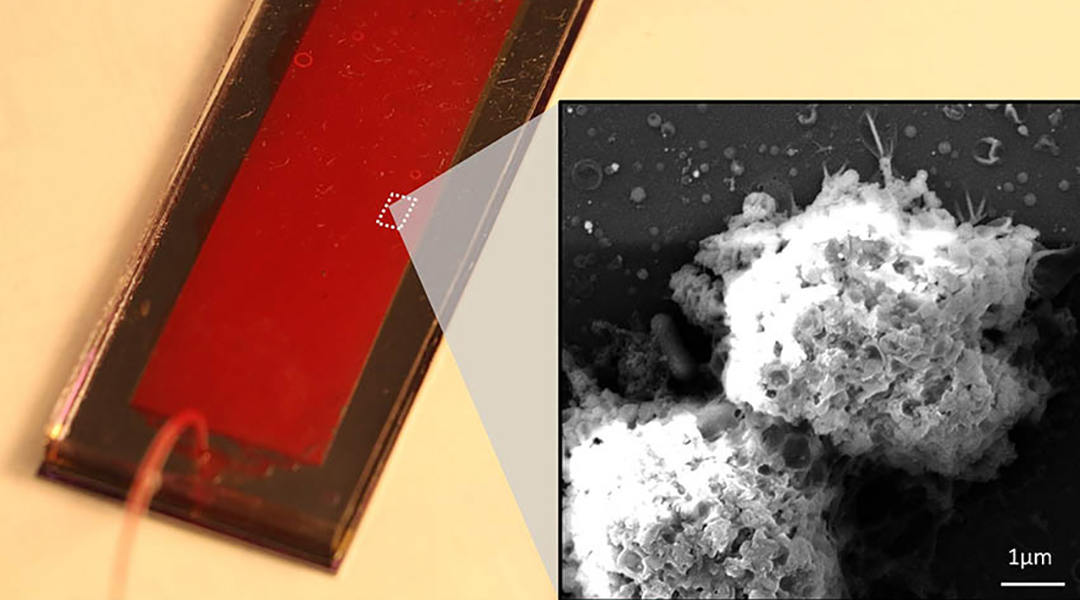
Engineers and oncologists teamed up to develop a microfluidic chip capable of capturing the body’s natural killer immune cells to harvest their cancer-killing exosomes.
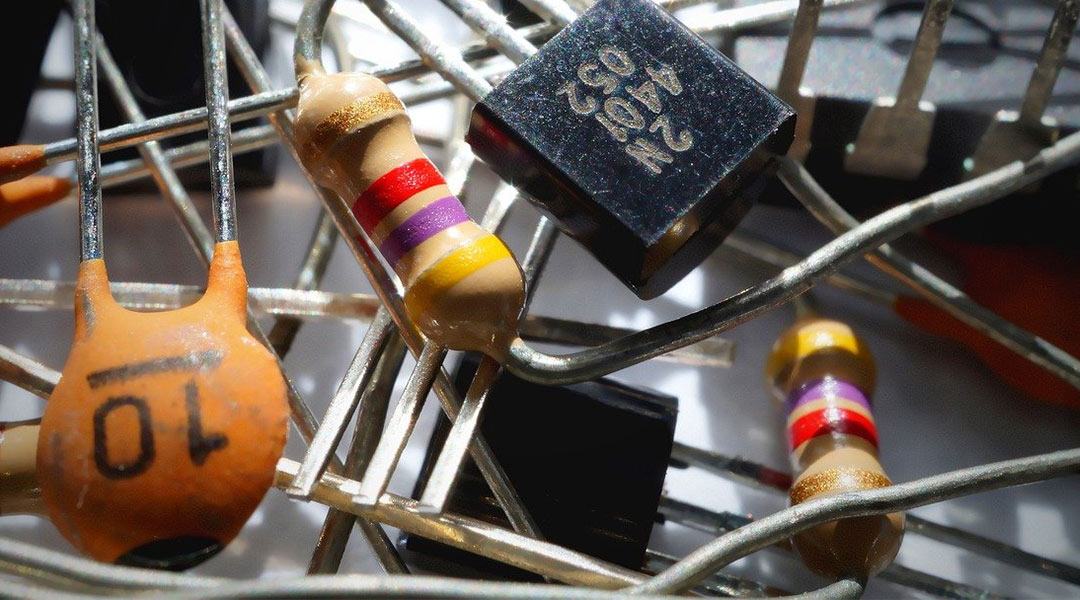
The Achilles heel of supercapacitors as energy storage devices, is gradually being overcome.
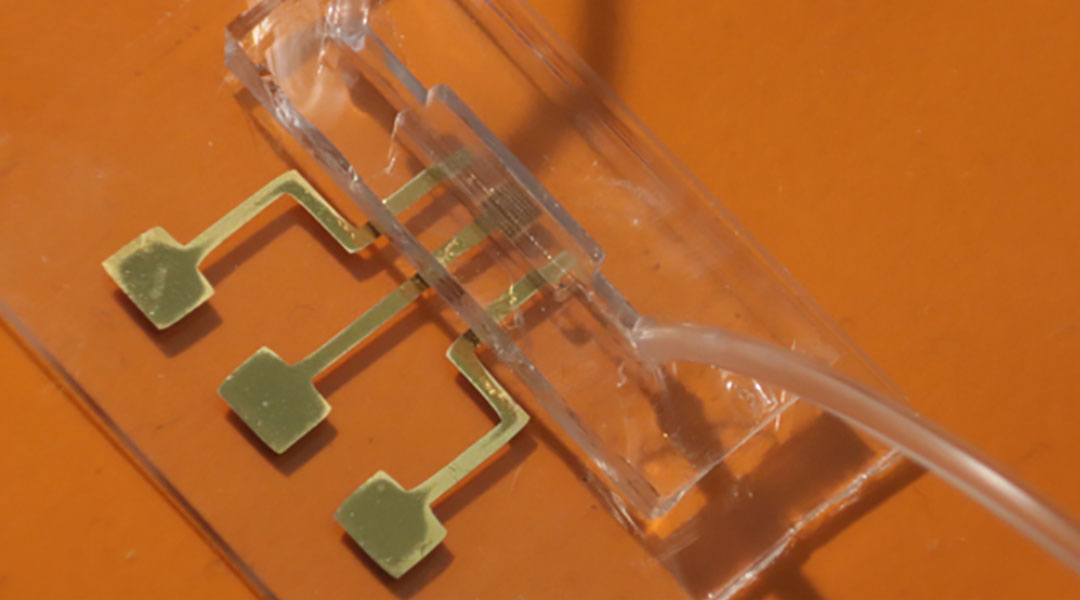
The testing platform identifies the presence of two antibodies in microliter samples of blood.

A new model helped researchers create a “nanotube color atlas”, which they use to predict the specific colors of 466 different single‐wall carbon nanotubes, revealing a broad spectrum of potentially achievable colors.

A new study finds diamonds can actually form at room temperature, under the right pressure.

Recent advanced in nanoparticle-based SERS imaging has led to better diagnoses of diseases like cancer, and improvements in image-guided tumor surgeries.
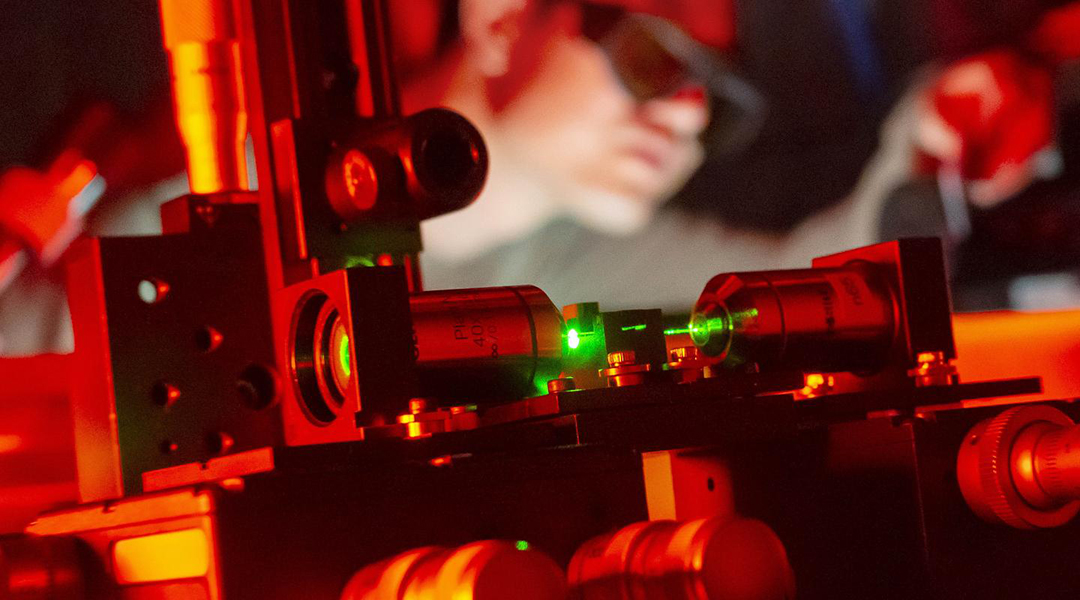
New hybrid optical fibers contain 2D materials that enhance light-matter interactions and open doors for a range of new technological advancements.

Could a new understanding of silicon surfaces someday revolutionize semiconductor technologies?
 New theory suggests gravity is not a fundamental force
 Higgs boson may be driving the Universe’s expansion
 Water-powered gadgets may be on the horizon thanks to new evaporation-based energy device
 Scientists discover a new class of antibiotics
 Micron-sized hidden dimensions could solve two of physics’ deepest puzzles
 A new type of dark matter could explain mysterious radiation from the Milky Way’s core