Nanoparticles disrupted the placenta’s secretion of biomolecules essential for blood vessel growth, hormone production, and immune function.
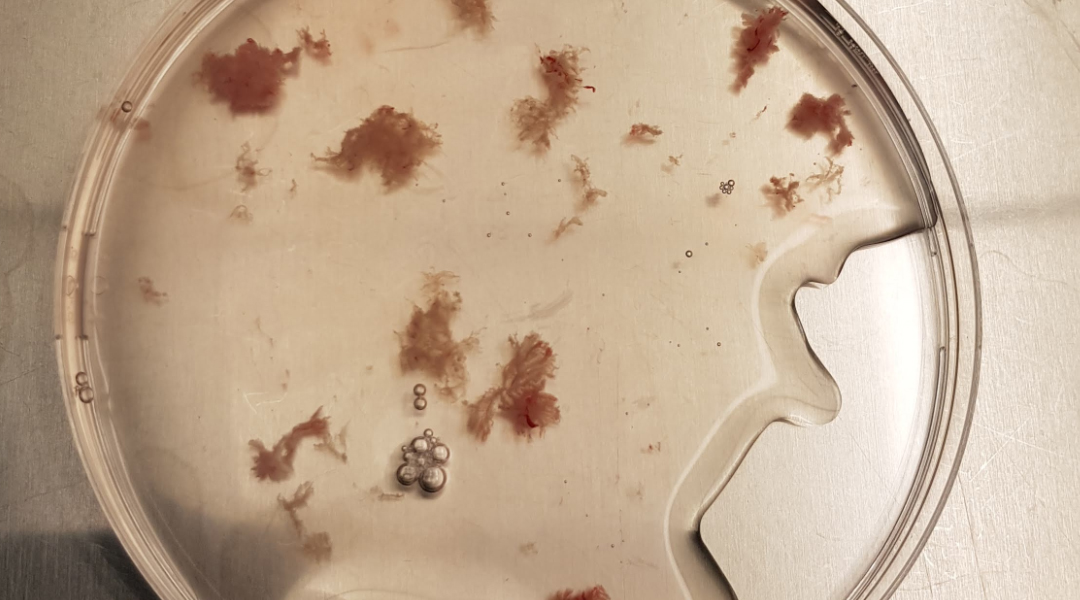

Nanoparticles disrupted the placenta’s secretion of biomolecules essential for blood vessel growth, hormone production, and immune function.
1 in 10 women suffer from polycystic ovarian syndrome, yet its fundamental workings remain largely unknown.

An electronic sock detects an “unhealthy” walking style linked with diabetes and poor circulation to prevent foot ulcers and amputation.
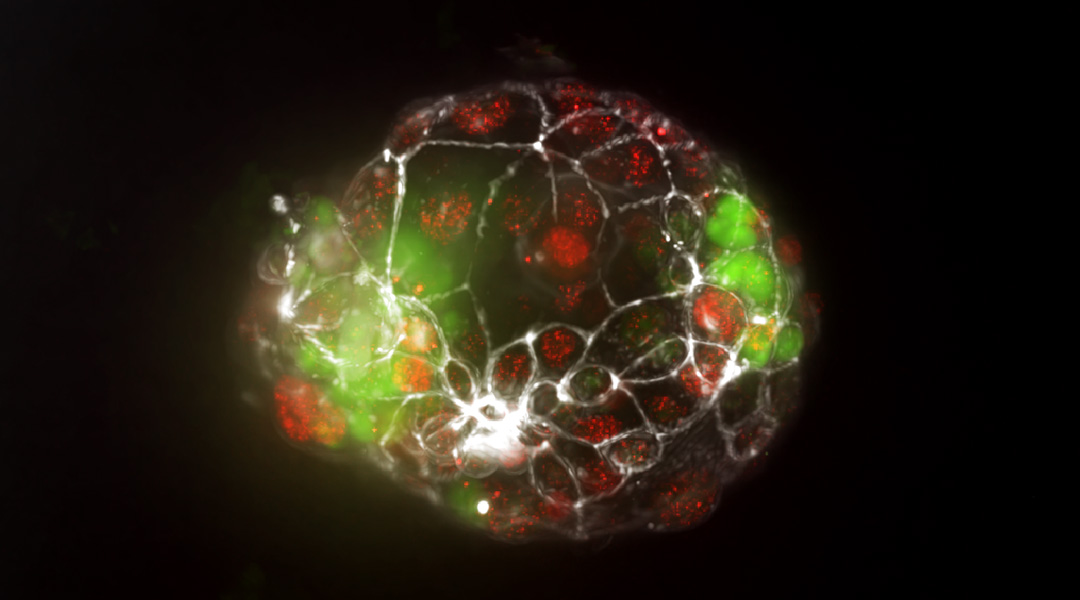
A new organ-on-a-chip model allows researchers to study the splitting of the embryo during pregnancy for the first time.
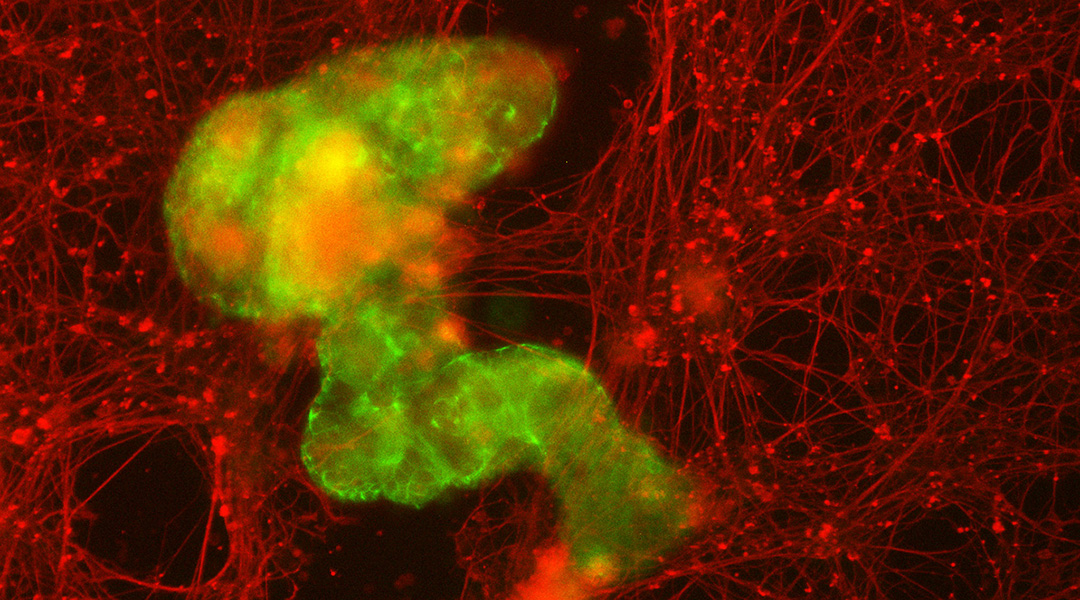
Microscopic robots made out of a patient’s own cells may be able to work inside the body to repair damage, scope out signs of disease, or fight off infections.

Scientists reveal a new mechanism by which plants chase the Sun and bend their primary stem to optimize light capture.
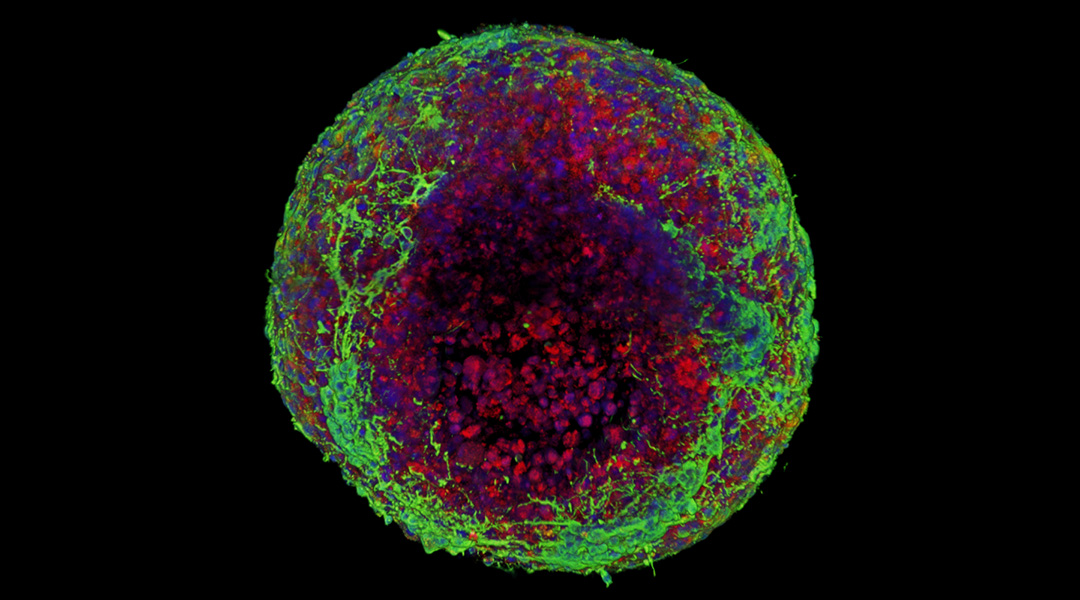
Growing brain tissue requires capturing the realistic “squishiness” and cohesion between cells, but how each cell type contributes has been a mystery.

Vitamins play a much broader role than just promoting health, shaping and maintaining our unique biology over evolutionary timescales.
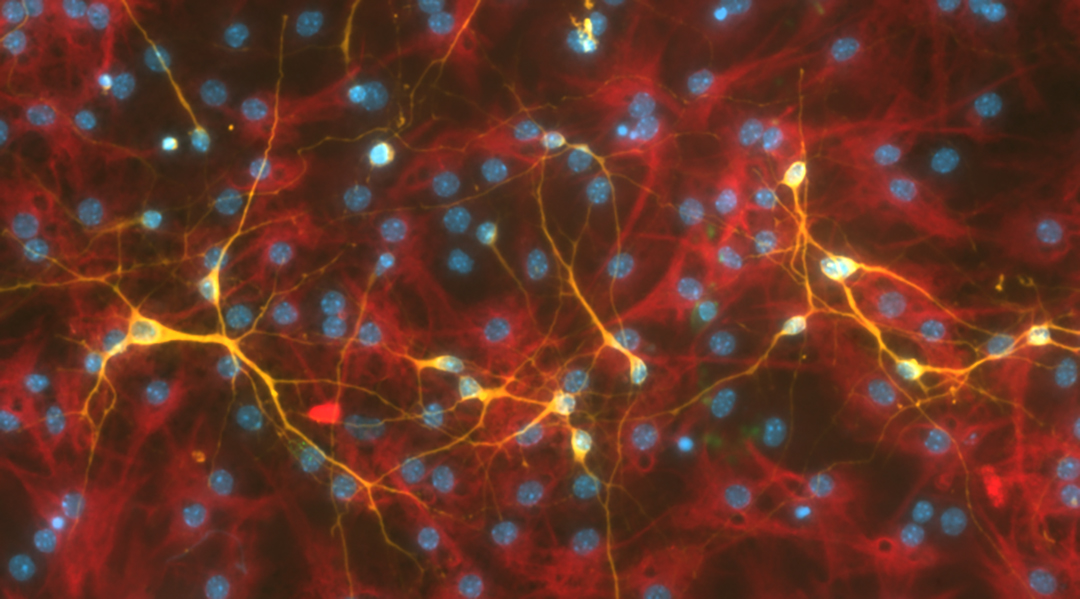
When activated by mechanical stress, a piezoelectric material efficiently stimulates the differentiation of stem cells into new neurons.
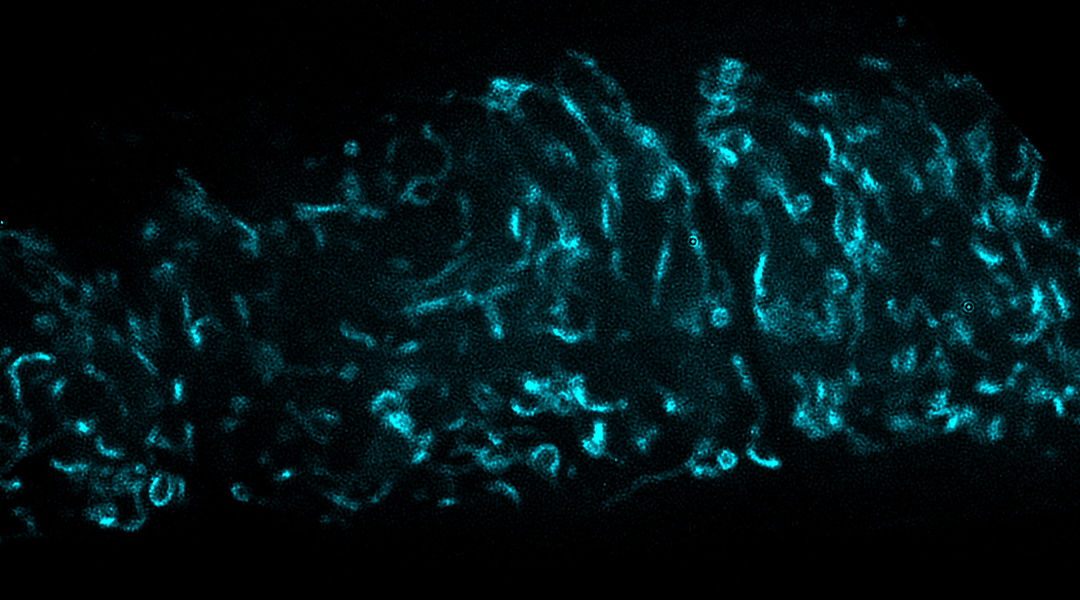
New study reveals the crucial role of mitochondria in female reproductive aging, offering potential insights into improving fertility preservation and IVF outcomes.
 Micron-sized hidden dimensions could solve two of physics’ deepest puzzles
 Turning Periods into Power: Menstrual Blood a Valuable Resource for Medical Diagnostics
 Surfactants Steer Supraparticle Structure
 Bone loss in obesity traced to gut microbiota
 Edible electronics realize safe, complex monitoring devices
 Fermilab Confirms Muon g-2 Measurements