IR-driven transfer of plasmon-induced hot electrons in a nonmetallic branched heterostructure, by combining ultrafast transient absorption spectroscopy with theoretical simulations, is demonstrated for the first time.
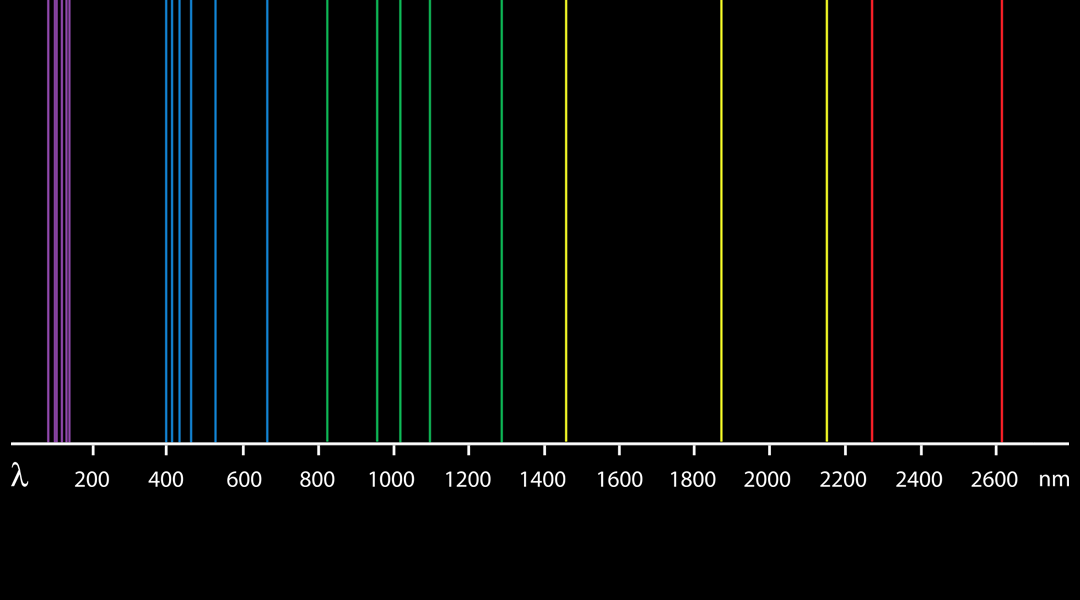

IR-driven transfer of plasmon-induced hot electrons in a nonmetallic branched heterostructure, by combining ultrafast transient absorption spectroscopy with theoretical simulations, is demonstrated for the first time.

The Max Planck Institute of Colloids and Interfaces mourns for the loss of a long-standing founding director.

Replicating the hollow structure of polar bear hairs allows an insulating material to provide thermal management with stealth applications.

A team of North American researchers demonstrated a label-free and more direct way to observe and quantify microvascular and metabolic healing mechanisms, and the biological response to a topical treatment, utilizing a multimodal microscope equipped with OCT and FLIM.
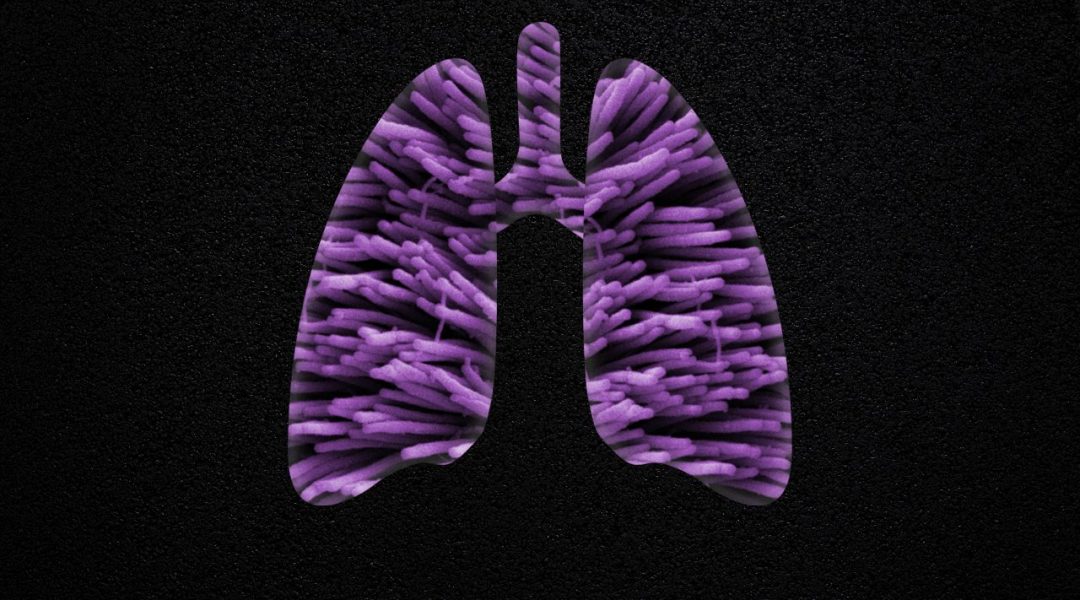
Cilia-inspired smart surfaces that sweep micro/nanometer-scale substances in a desired direction could inspire future drug-delivery systems and medical technologies.

TenCate Advanced Composites show new composite material technology for aerospace and high performance industrial markets.
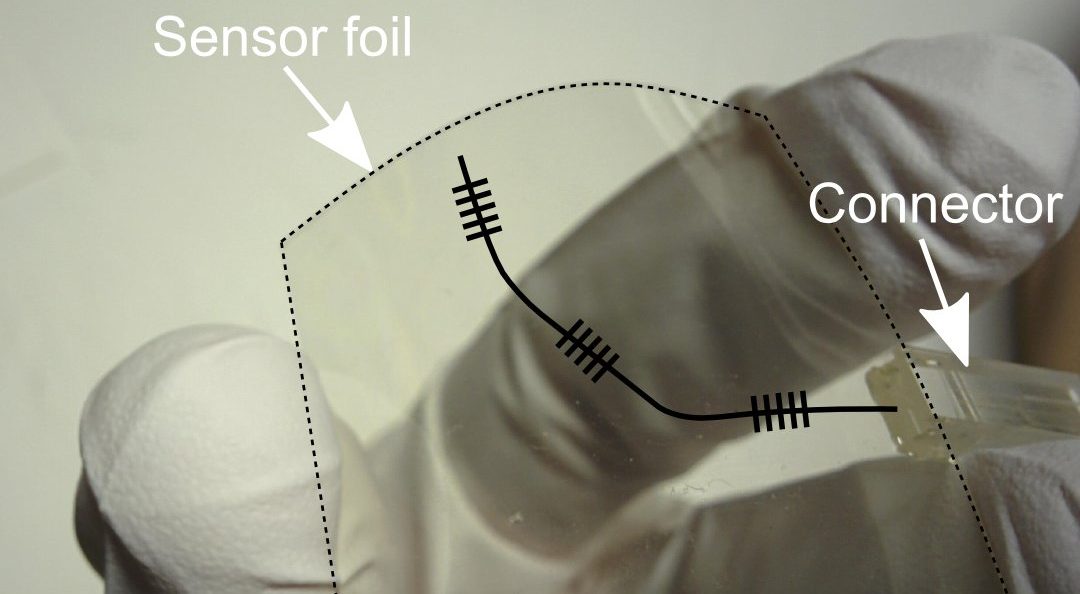
A sensor foil made from polymers withstands bending to a radius of 11 mm, and elongation by 1.4% without losing functionality.
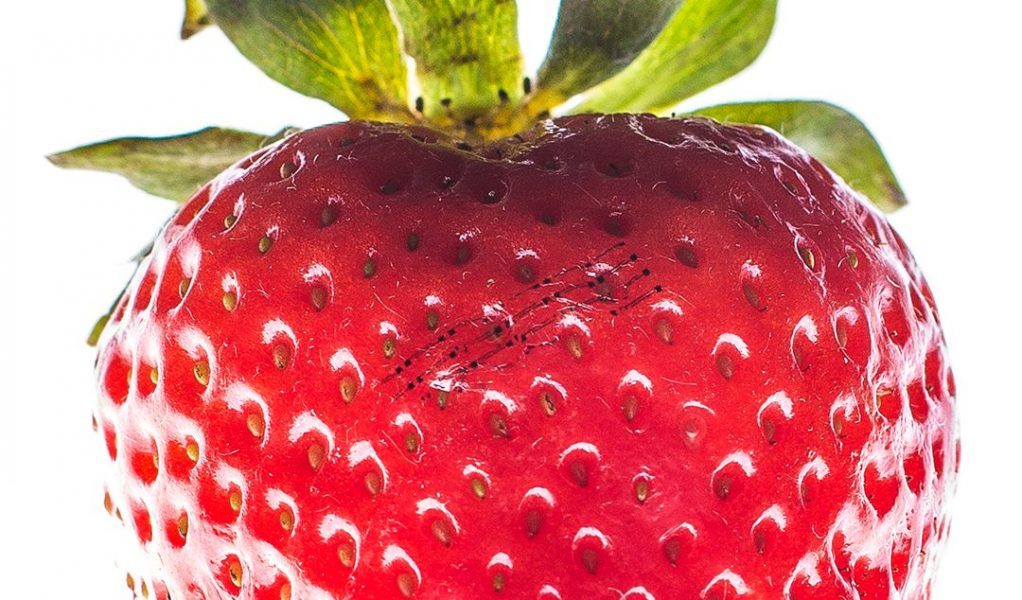
The first seeds towards non-invasive edible electronics are sown.
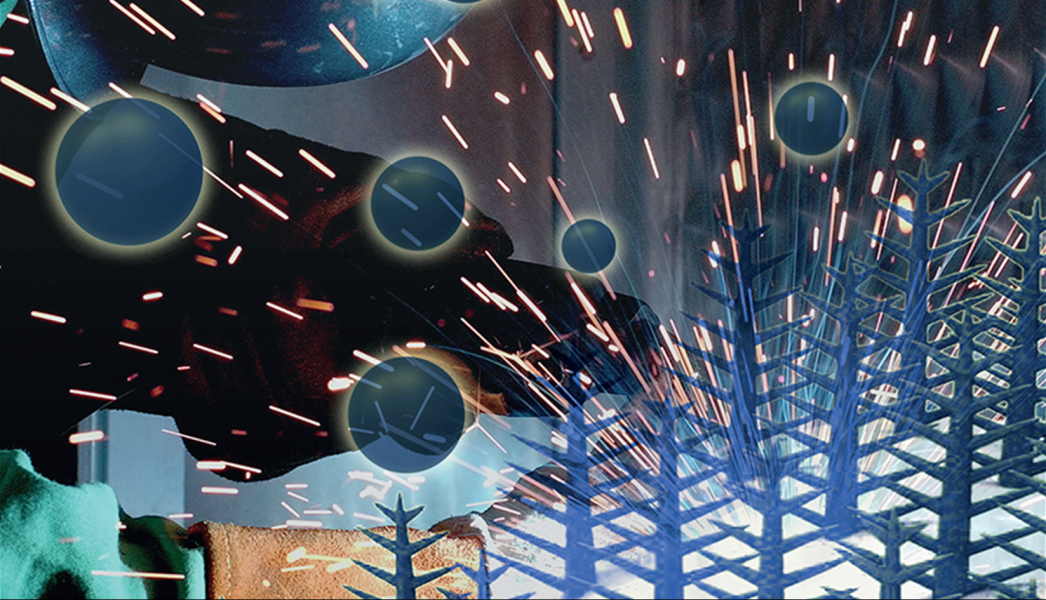
The burgeoning development and sustained production of advances in the booming field of solar-to-energy conversion have inspired a Special Issue specifically dedicated to “Artificial Photosynthesis: Mimicking Nature for Renewable Energy Production” – guest editors Wee-Jun Ong, Zhiqun Lin and Kazunari Domen.

Science fact catches up with science fiction: by exploiting magnetic levitation, biomanufacturing – creating living 3D structures – is now possible in zero gravity. Utkan Demirci discusses how this works.

 Micron-sized hidden dimensions could solve two of physics’ deepest puzzles
 Turning Periods into Power: Menstrual Blood a Valuable Resource for Medical Diagnostics
 Surfactants Steer Supraparticle Structure
 Bone loss in obesity traced to gut microbiota
 Edible electronics realize safe, complex monitoring devices
 Fermilab Confirms Muon g-2 Measurements