The infant microbiome can be built from a dizzying array of different sources.


The infant microbiome can be built from a dizzying array of different sources.
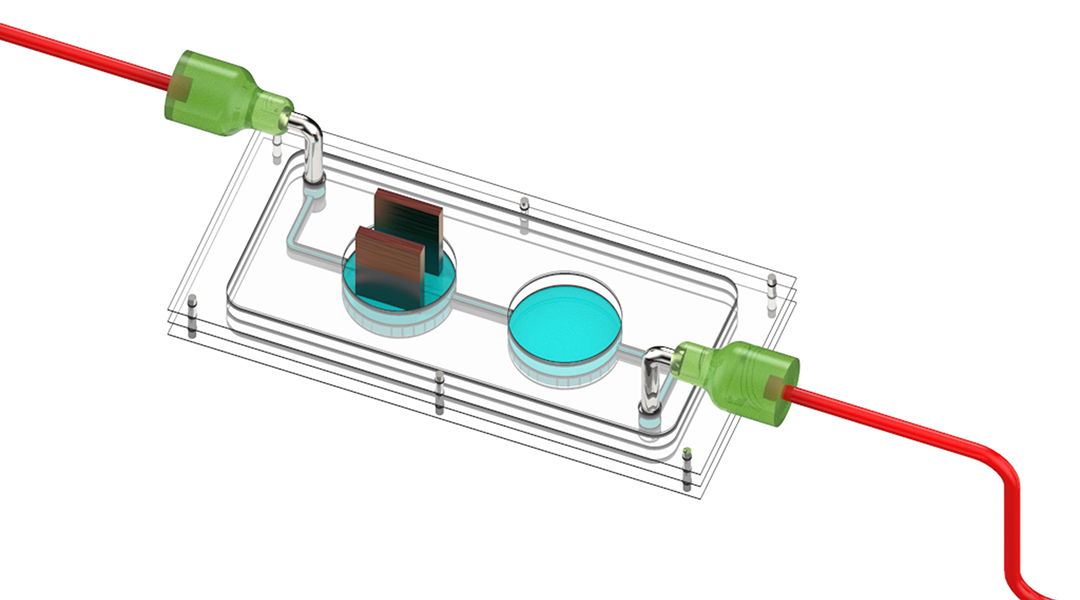
The device provides a powerful tool for studying and treating diabetes, allowing personalized modelling by using patients’ own cells.
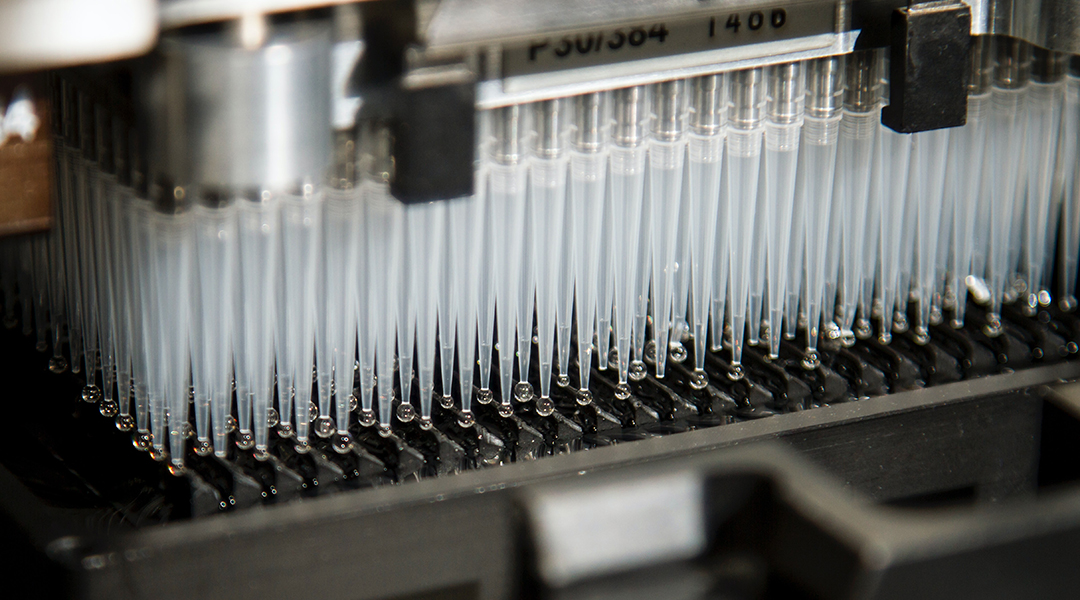
Stimulating neuron growth using a new mRNA therapy, researchers hope to treat chronic pain caused by disease, injury, or chemotherapy.
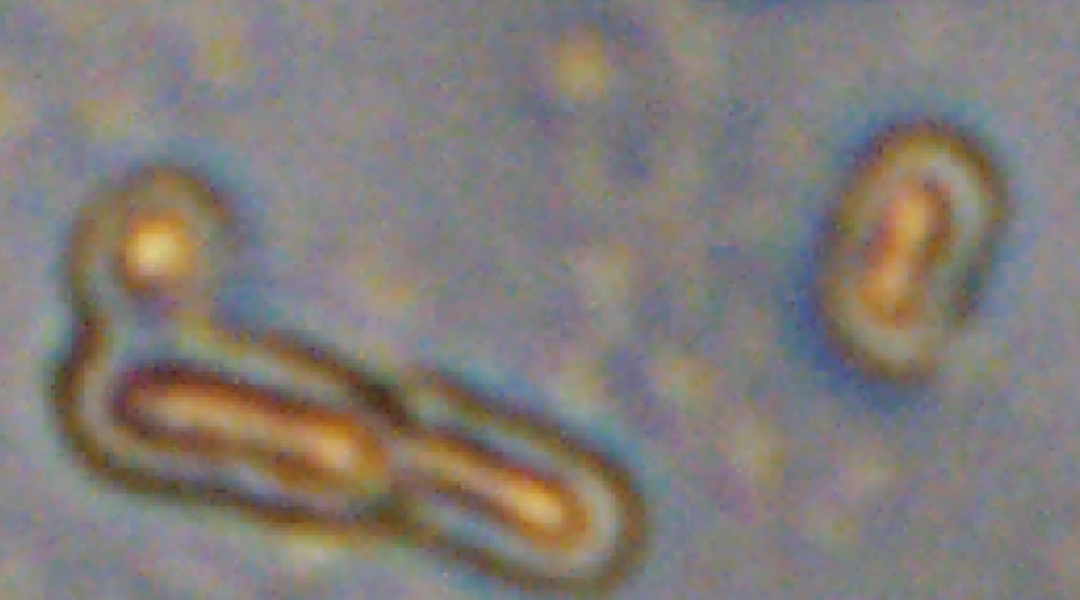
Implants containing cyanobacteria help produce oxygen within heart tissue to repair damage done after a heart attack.

A real-world study showed dogs were almost as good as PCR tests when detecting COVID-19 in individuals.
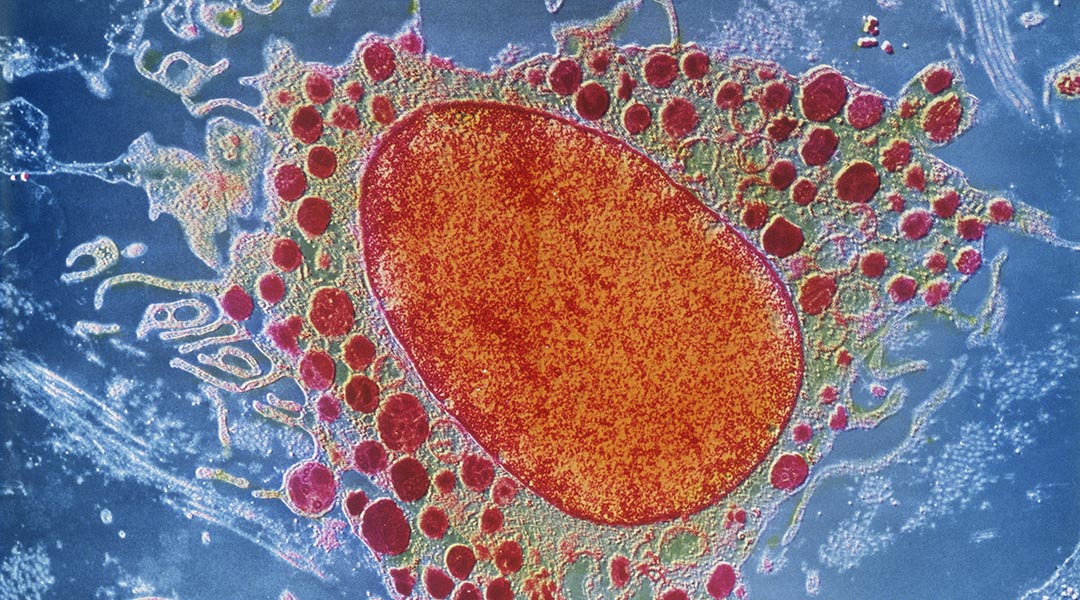
An extensive library of over one million cells could pave the way for new and repurposed treatments for a number of autoimmune diseases.
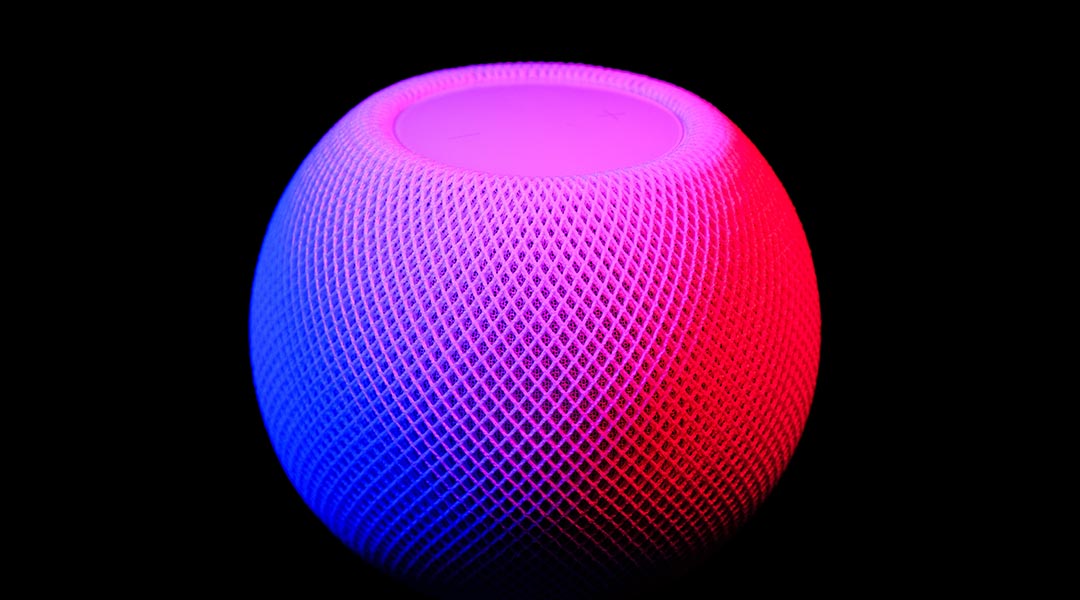
Study participants were more comfortable with voice-based AI companions compared to robots that act and look like humans.
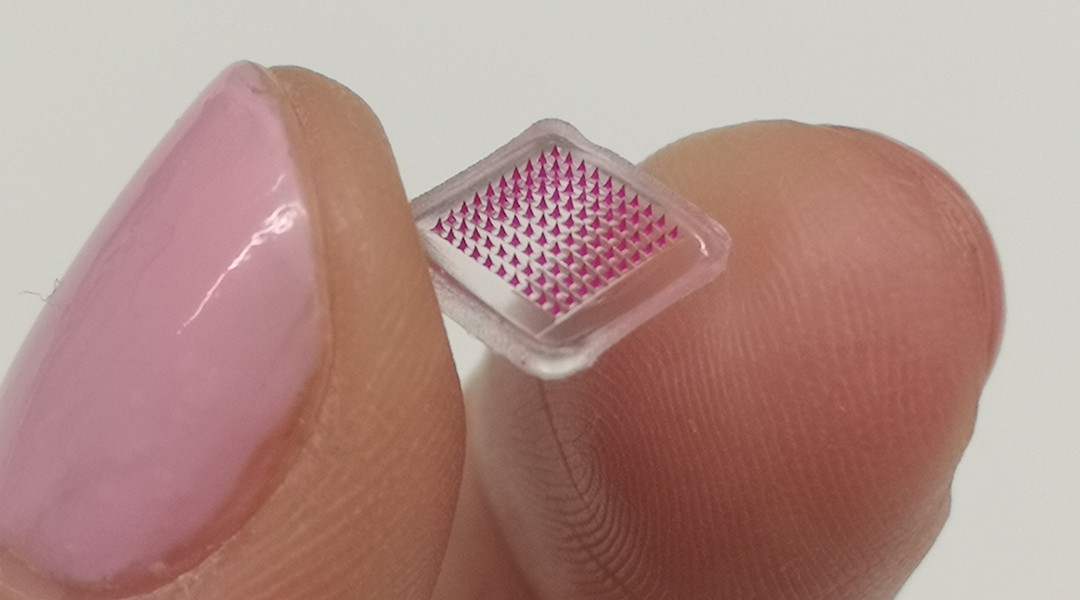
A microneedle patch that delivers antibiotics directly into the affected skin area could help treat deadly bacterial infections.
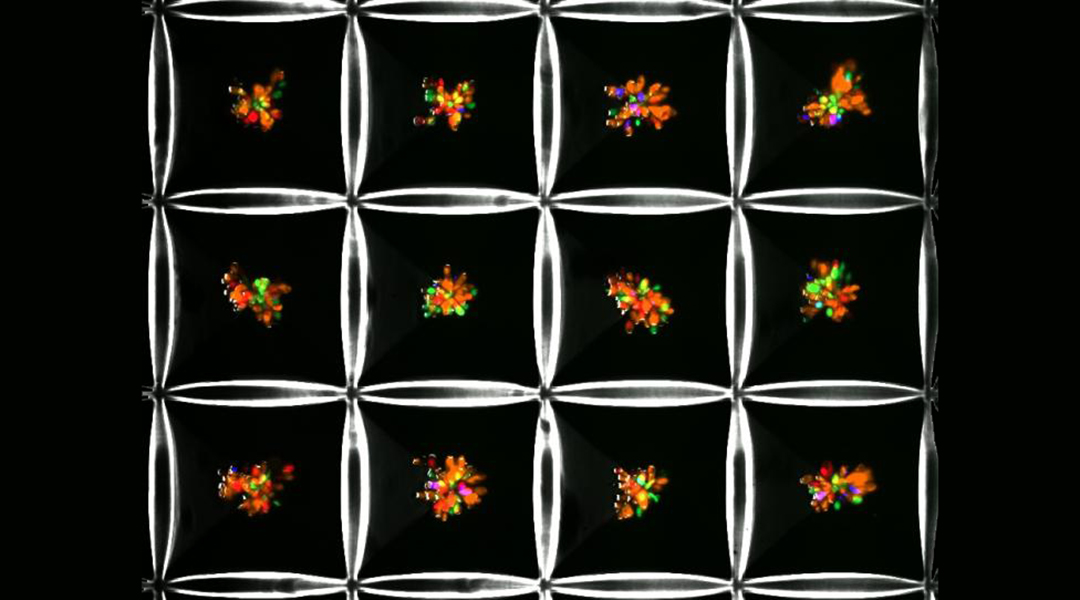
A structurally representative liver-on-a-chip models the full progression of non-alcoholic fatty liver disease, which researchers hope will lead to better treatments.
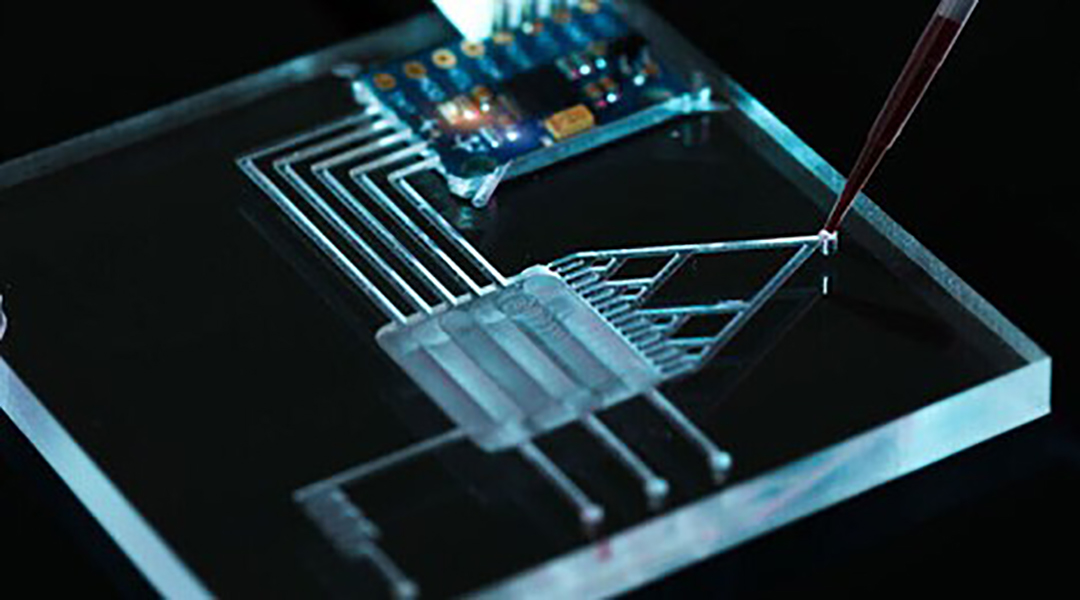
Recent advances in micro- and nanoscale sensing technologies may help diagnose sepsis early and with greater accuracy.
 New theory suggests gravity is not a fundamental force
 Higgs boson may be driving the Universe’s expansion
 Water-powered gadgets may be on the horizon thanks to new evaporation-based energy device
 Scientists discover a new class of antibiotics
 Micron-sized hidden dimensions could solve two of physics’ deepest puzzles
 A new type of dark matter could explain mysterious radiation from the Milky Way’s core