Exploiting defects in 2D hexagonal boron nitride to create reliable single photons, researchers have upped their quantum encryption game.
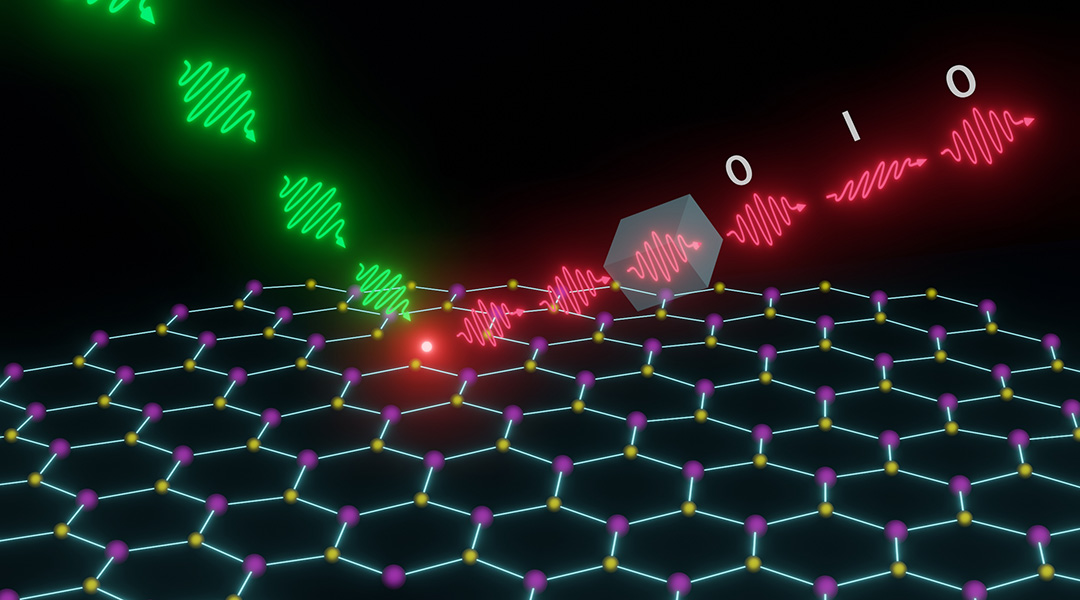

Exploiting defects in 2D hexagonal boron nitride to create reliable single photons, researchers have upped their quantum encryption game.

Cold ytterbium atoms were used to test a fundamental theory which describes phenomena in solids such as magnetism and superconductivity.
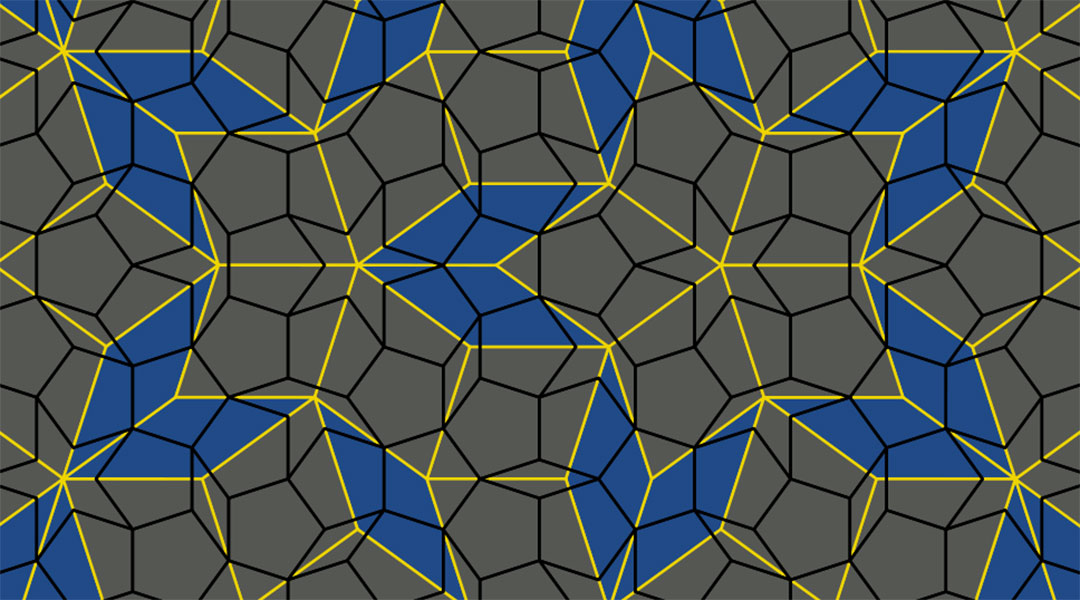
Extra time dimensions provide scientists with a new way to think about phases of matter for more stable qubits and robust quantum computers.

Automated molecule design through machine learning helps scientists identify and synthesize a new polymer electrolyte for lithium-ion batteries.

Researchers take a different approach to machine learning to uncover the physics of optics in composite materials.

Credited as one of the first computer scientists, Ada Lovelace saw the potential of computers a century before any were ever built.
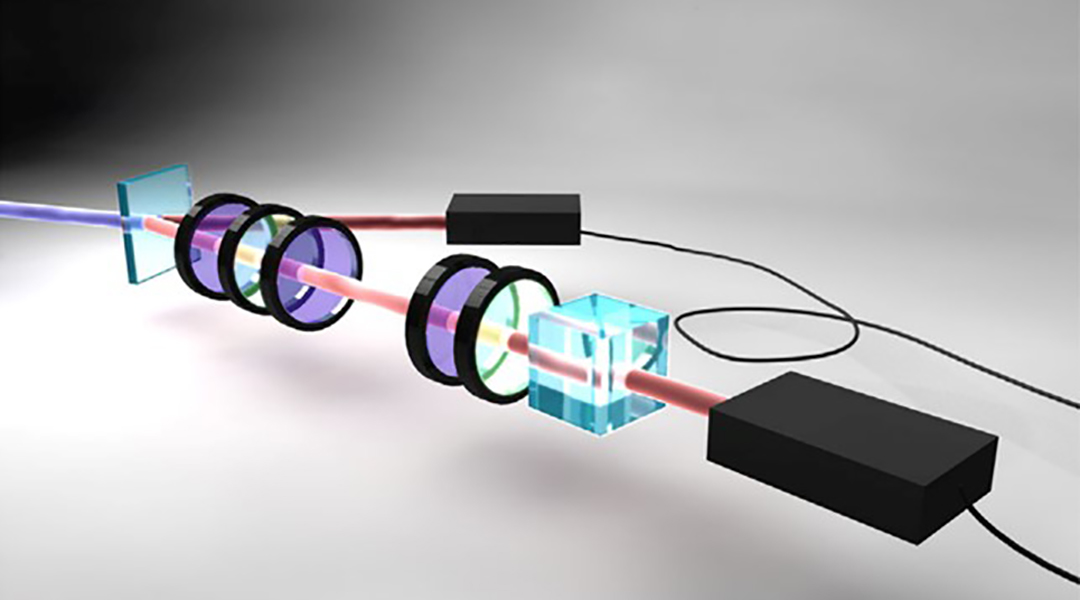
Quantum computing to process large amounts of data tested by bringing together complementary and versatile quantum processors.

When researchers create narratives that invite communities into the storytelling, the outcome can be more responsive, relevant, and just.

An in-memory computing prototype provides a promising solution for edge computing systems to implement continual learning.

A new device setup enables an interface between biomolecules and electronic materials for biohybrid electronics.
 New theory suggests gravity is not a fundamental force
 Higgs boson may be driving the Universe’s expansion
 Water-powered gadgets may be on the horizon thanks to new evaporation-based energy device
 Scientists discover a new class of antibiotics
 Micron-sized hidden dimensions could solve two of physics’ deepest puzzles
 A new type of dark matter could explain mysterious radiation from the Milky Way’s core