University of Texas researchers develop materials that are stiff for initial implantation, and then soften to better match the mechanical properties of brain tissue.
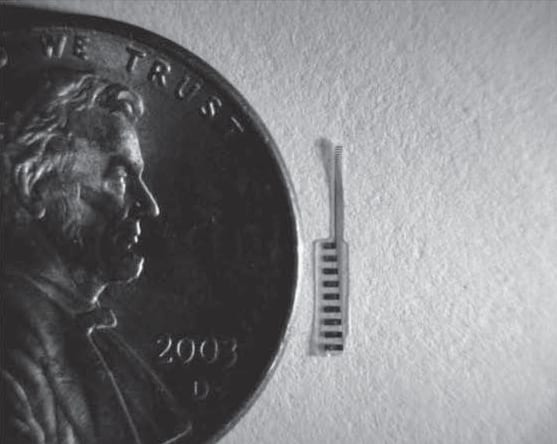

University of Texas researchers develop materials that are stiff for initial implantation, and then soften to better match the mechanical properties of brain tissue.
Bruker Presents SkyScan Micro-CT Product Line for 3D X-Ray Imaging in Materials Research
Researchers demonstrate learning in a memristive device.

Corning claims new Gorilla Glass 2 enables a 20% reduction in device thickness while maintaining exceptional scratch resistance.
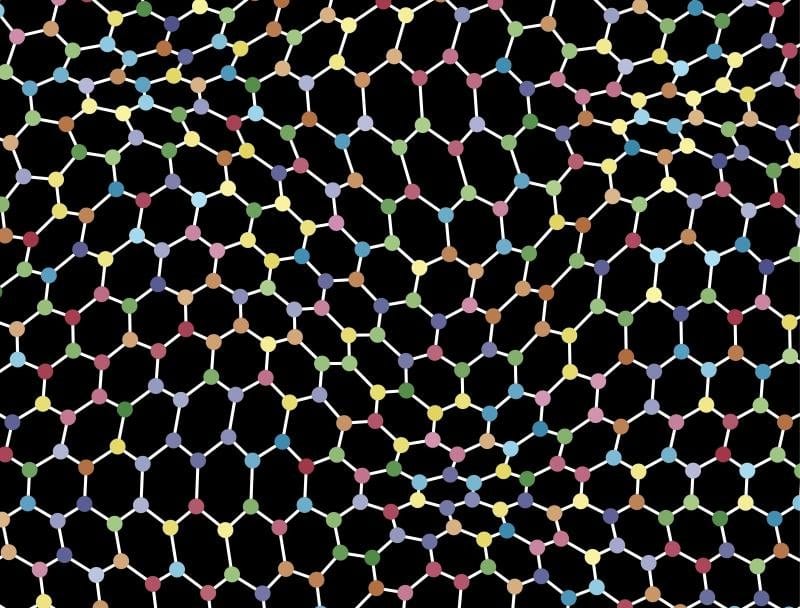
Can organic matter behave like a fridge magnet? Scientists from The University of Manchester have now shown that it can.

A computing network that exhibits emergent behavior similar to that in biological brains is hypothesized by Adam Z. Stieg of the California NanoSystems Institute

Dr. Ming Qiu Zhang of Zhongshan University, author of “Self-Healing Polymers and Polymer Composites,” talks to MaterialsViews about self-healing and other scientific challenges.

Molecular dynamics methods are wedded to tight-binding density functional theory to produce FIREBALL: a powerful computer code which allows for efficient, predictive simulations of the dynamics of mesoscale systems.

Paolo Samori talks about his recent book Functional Supramolecular Architectures and gives his “insider advice” for scientists.
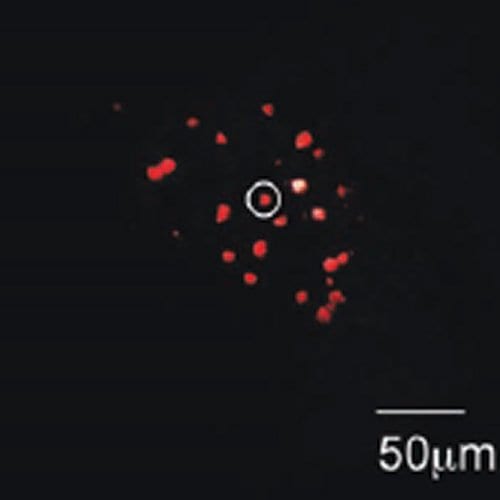
Russian scientists have made nanodiamonds with a higher concentration of nitrogen vacancy centers, with a better efficiency than was previously possible.
 New theory suggests gravity is not a fundamental force
 Higgs boson may be driving the Universe’s expansion
 Water-powered gadgets may be on the horizon thanks to new evaporation-based energy device
 Scientists discover a new class of antibiotics
 Micron-sized hidden dimensions could solve two of physics’ deepest puzzles
 A new type of dark matter could explain mysterious radiation from the Milky Way’s core