Genome-scale metabolic models (GEMs) are relatively new tools for studying the metabolic changes associated with many diseases. GEMs are reconstructions of the metabolic networks of cells, sometimes able to represent an organism’s whole body.
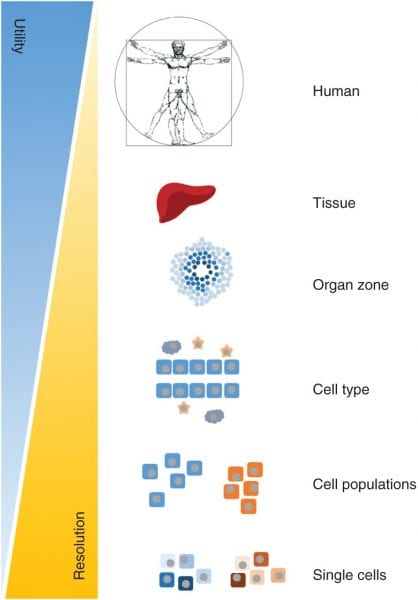

Genome-scale metabolic models (GEMs) are relatively new tools for studying the metabolic changes associated with many diseases. GEMs are reconstructions of the metabolic networks of cells, sometimes able to represent an organism’s whole body.

This Special Issue in Cytometry Part A reports the latest advances in approaches used to identify cancerous and/or metastatic tissues.
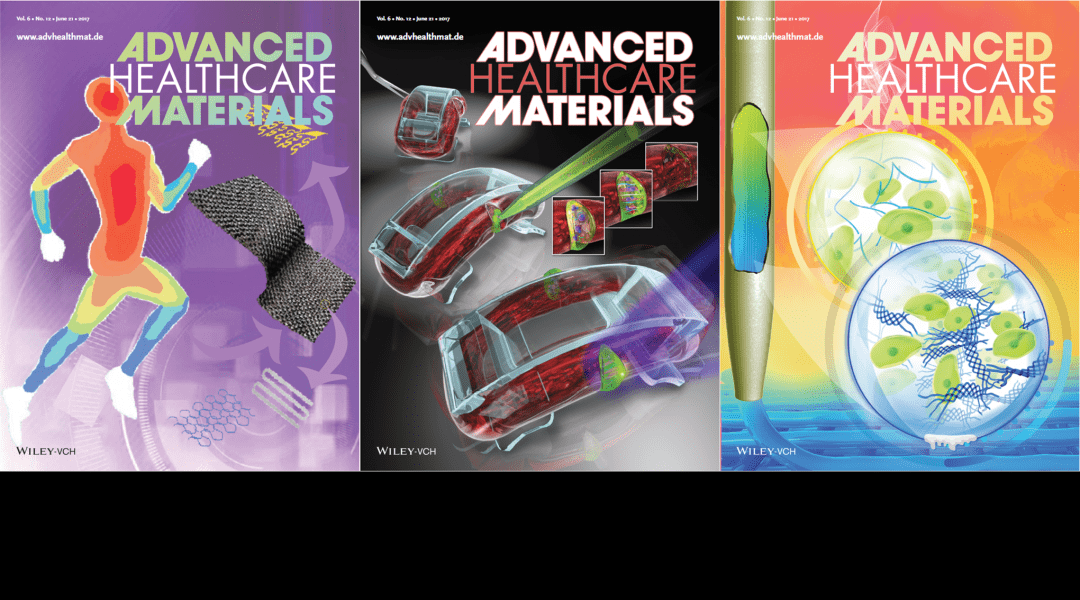
This week’s Advanced Healthcare Materials covers.

CT imaging enables real-time, non-invasive tracking of therapeutic cells labeled with gold nanoparticles. (Image credit: Africa Studio/Shutterstock)
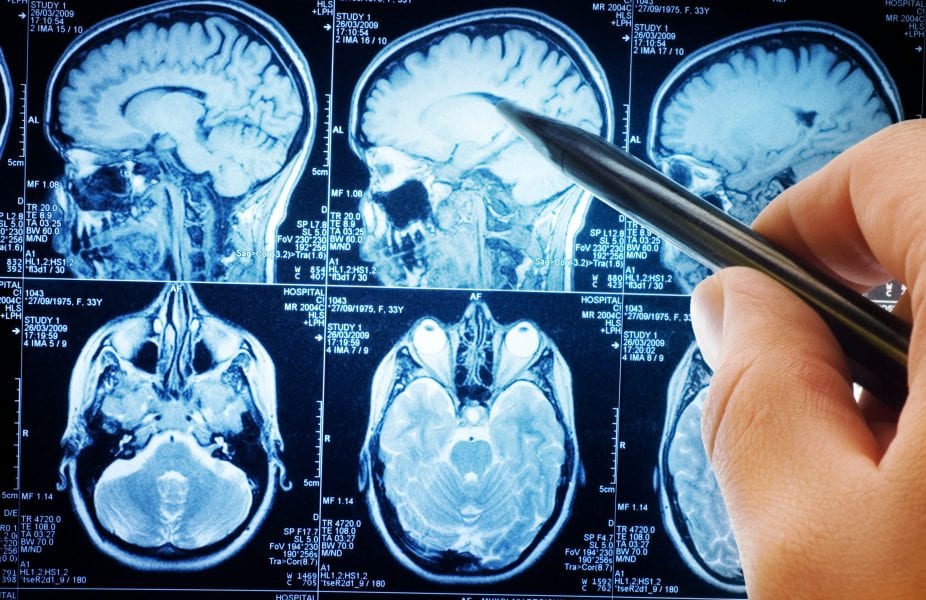
Malignant brain tumors are heterogeneous and invasive, with high morbidity and mortality rates. The main challenge associated in treating such tumors is the presence of the blood-brain barrier (BBB), which actively filters out molecules entering from the blood stream. (Image credit: Triff/Shutterstock)
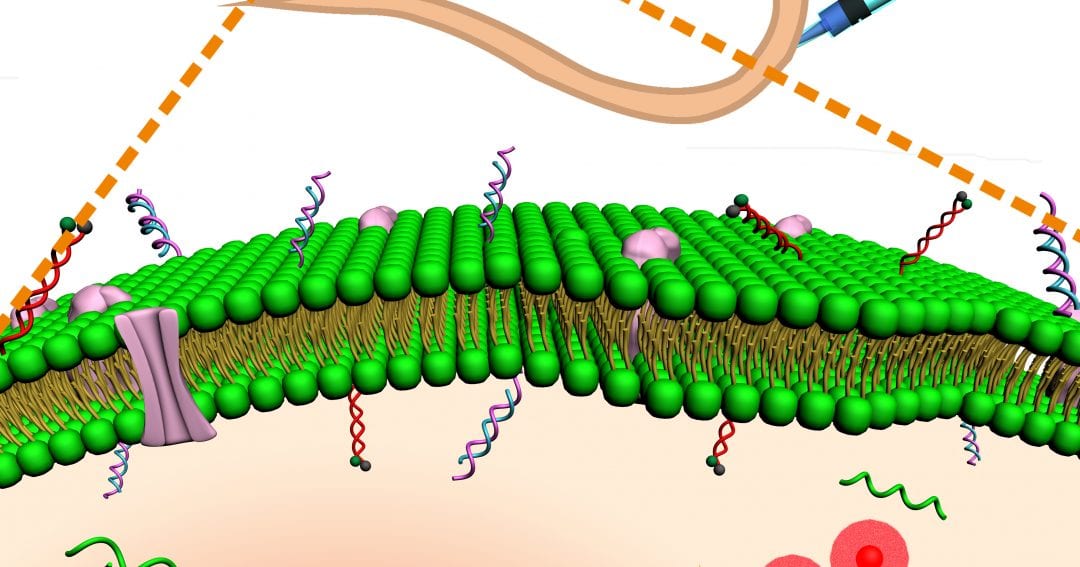
A DNA molecular machine powered by double-stranded fuel strands enables visualization of microRNAs in tumor bearing mice.

A Special Issue that reports on the latest technical developments in QPI used to study the mechanisms of cancer and neurodegenerative disorders, to develop multispecific pharmaceutical formulations, and as a robust segmentation technology for microbial cells.
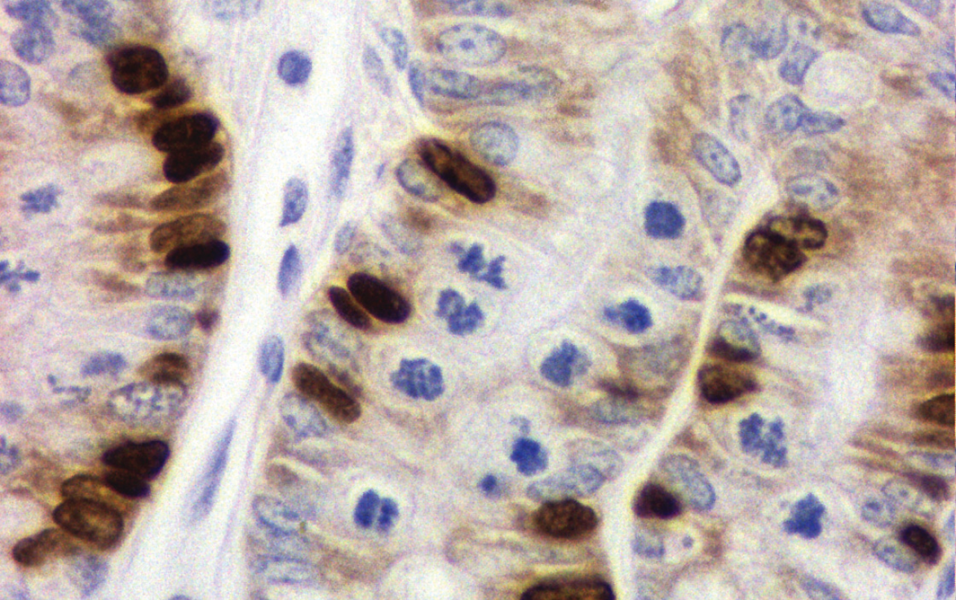
A review of methods that can be applied to study the control of proliferation (and the proliferative hierarchy, especially the role of the elusive stem cells) in a wide variety of animal models.
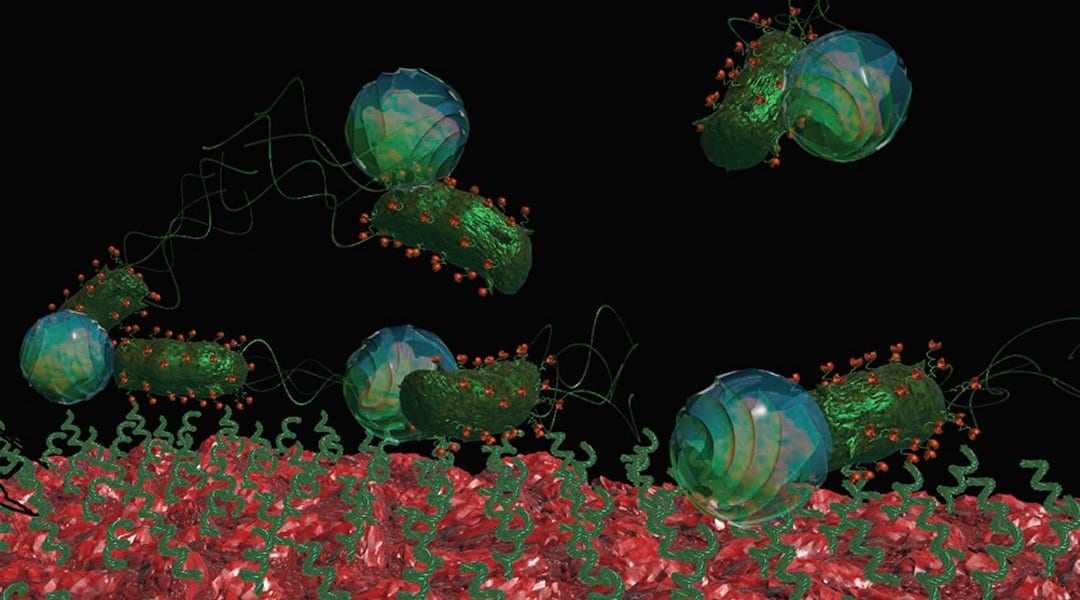
Bacteria-driven microswimmers can release the therapeutic drug specifically at the site of disease by attaching to a certain type of eukaryotic cell.

The 4th Biopolymers Murray Goodman Memorial Prize was awarded at the 2017 Spring ACS meeting in San Francisco to Jennifer A. Doudna.
 New theory suggests gravity is not a fundamental force
 Higgs boson may be driving the Universe’s expansion
 Water-powered gadgets may be on the horizon thanks to new evaporation-based energy device
 Scientists discover a new class of antibiotics
 Micron-sized hidden dimensions could solve two of physics’ deepest puzzles
 A new type of dark matter could explain mysterious radiation from the Milky Way’s core