Microalgal biorefinery has emerged as one of the sustainable solutions for the production of biofuels and biochemicals. However, there are still some difficulties to be solved.


Microalgal biorefinery has emerged as one of the sustainable solutions for the production of biofuels and biochemicals. However, there are still some difficulties to be solved.

The current pandemic has provided an opportunity to observe the resilience of every link in the healthcare chain, and AI has appeared to have given in.

Scientists have developed a molecular shield that stabilizes near-infrared fluorescent dyes and enhances their functionality.
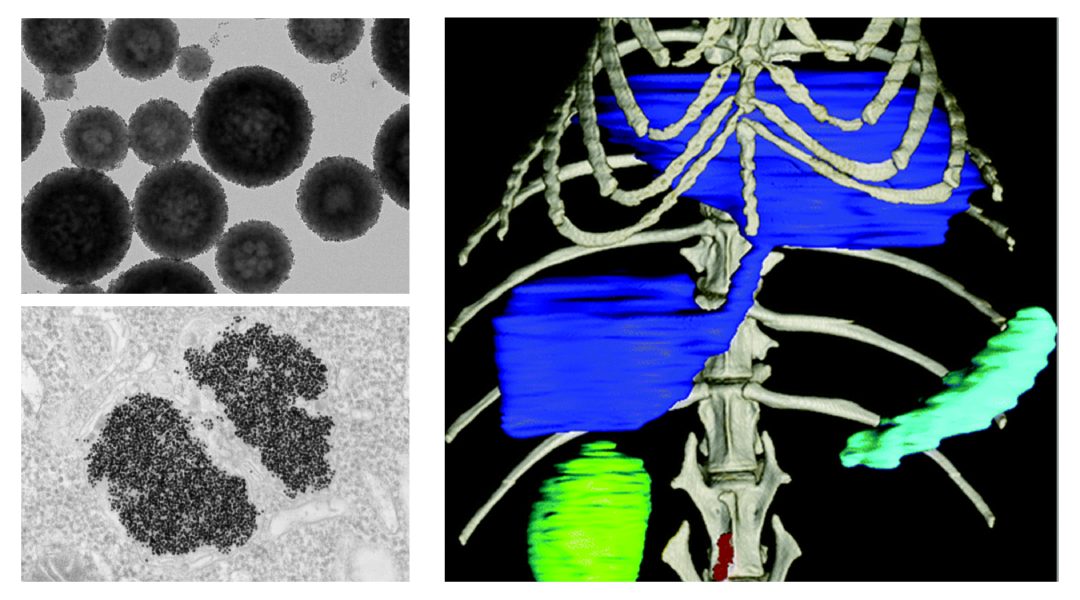
A new study explores how metal nanoparticles designed for new X-ray imaging technologies can improve the diagnosis of diseases, as well as understand the underlying cellular processes.
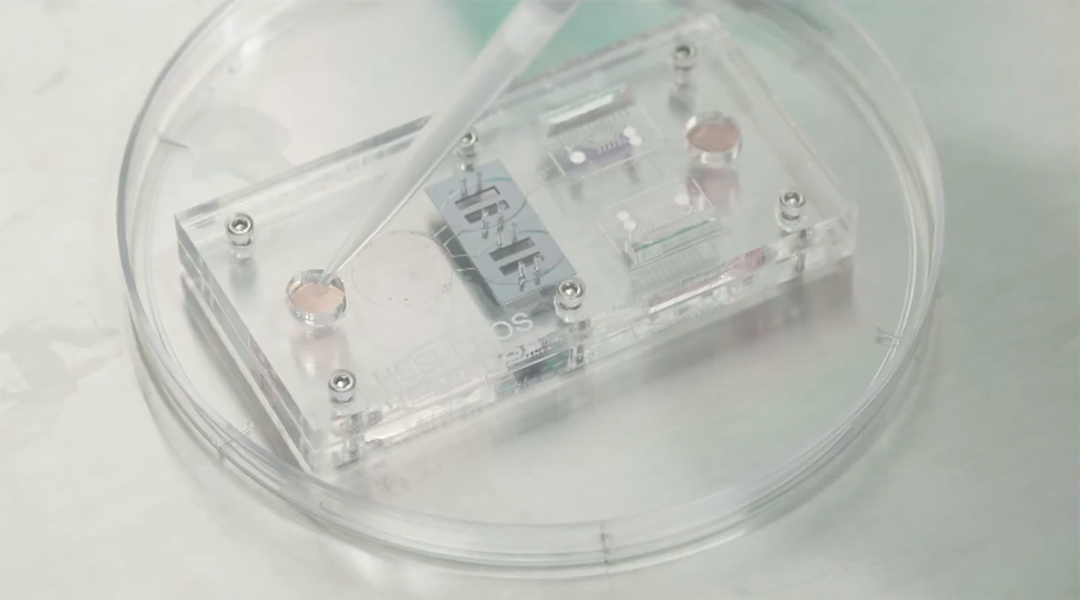
A new in vitro model of the body’s immune system better predicts its response to new therapeutics, potentially lowering the high costs and low success rates of drug discovery.
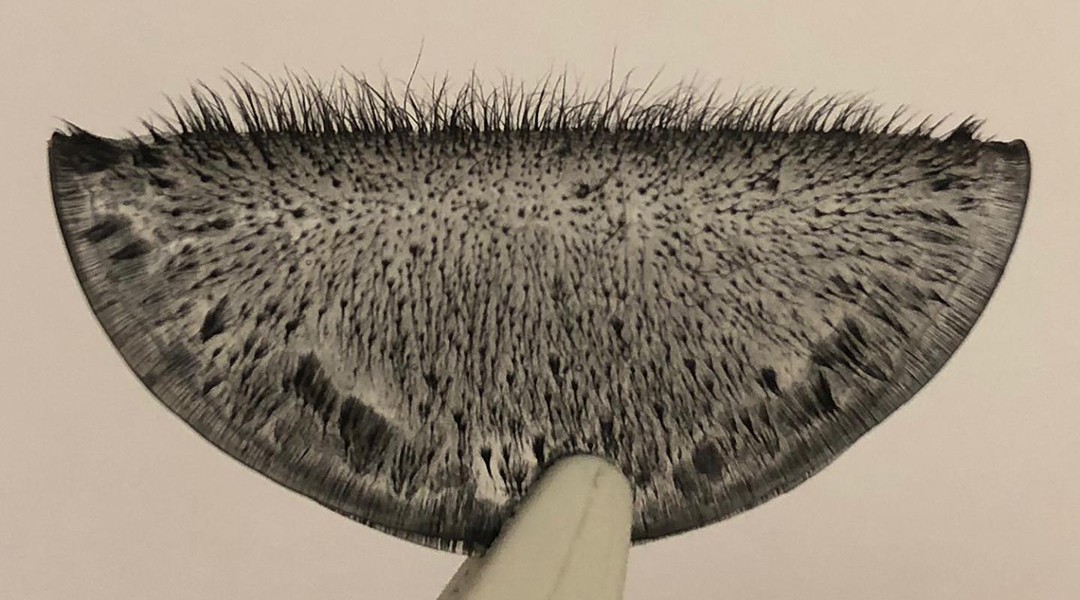
Researchers create an artificial array of magnetic cilia that could contribute to advancing the capabilities of soft robotics.

Researchers discuss how to extract valuable information from databases to aid decision making in emergencies, such as the current pandemic.

Micro- and nanoparticle-based drug delivery systems are revolutionizing medicine, from minimizing the toxicity of therapeutics to improving their efficacy.

Researchers at Houston Methodist Research Institute discuss how quantitative, non-invasive imaging can aid in developing novel tools for diagnosis and therapy.

A nanocarrier that can deliver siRNA into the lungs is investigated for the treatment of severe asthma and other lung diseases.
 New theory suggests gravity is not a fundamental force
 Higgs boson may be driving the Universe’s expansion
 Water-powered gadgets may be on the horizon thanks to new evaporation-based energy device
 Scientists discover a new class of antibiotics
 Micron-sized hidden dimensions could solve two of physics’ deepest puzzles
 A new type of dark matter could explain mysterious radiation from the Milky Way’s core