The first description on the use of oscillating magnetic fields for magnetic nanoparticle-mediated (MNP) gene transfer to neural stem cells NSCs.
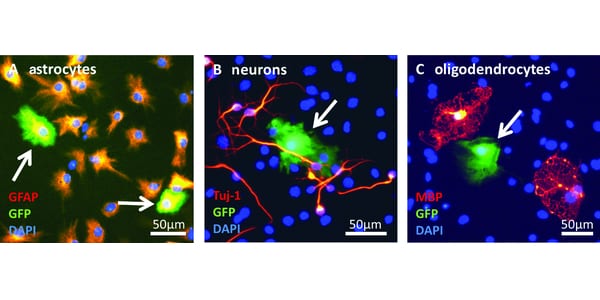

The first description on the use of oscillating magnetic fields for magnetic nanoparticle-mediated (MNP) gene transfer to neural stem cells NSCs.
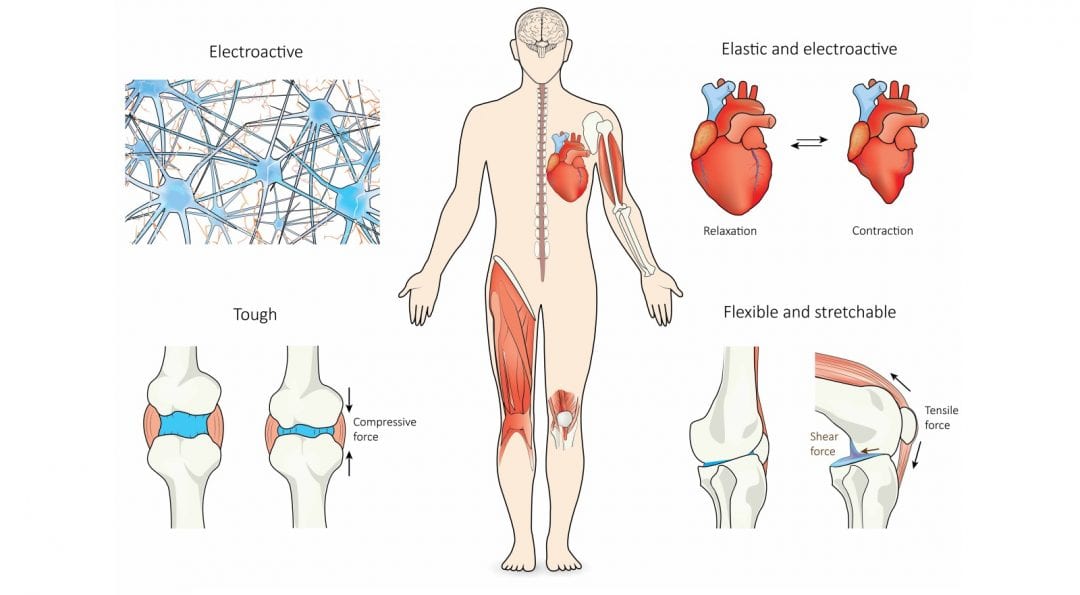
Recent advances in the fabrication and application of nanocomposite hydrogels for load-bearing and electroactive tissue replacement.

Liposomal formulations of two novel nicotinylated amphiphiles for targeting potent chemotherapeutics to mouse glioblastoma.
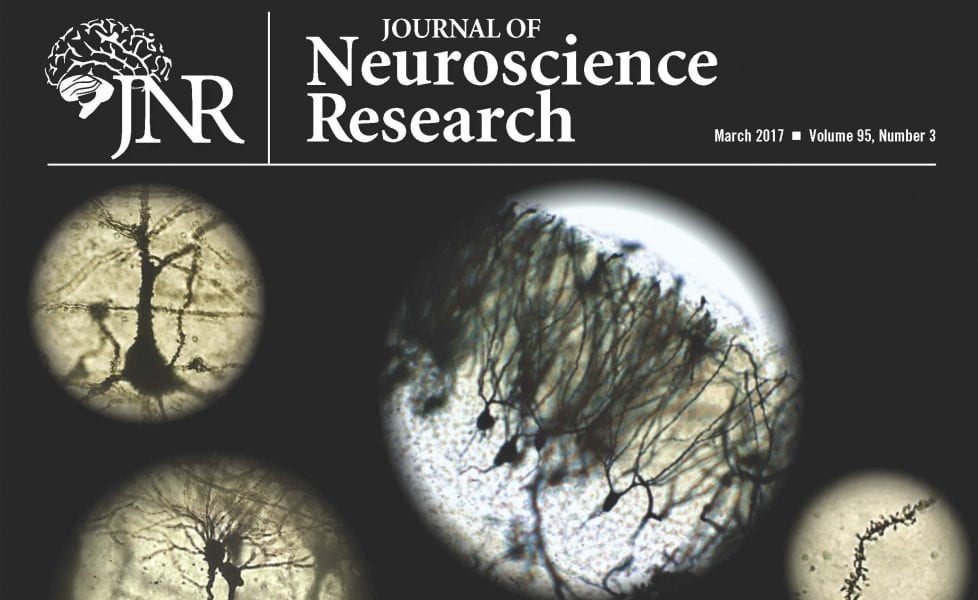
A highlight on new perspectives and data on the anatomical organization and functional interactions of corticolimbic circuits in learning, memory and disease.

Using a proteomics approach, Drs. Paulo and Gygi from the Harvard Medical School provide evidence that nicotine exposure changes the abundance of membrane proteins implicated in signal transduction and autophagy.

Each year the Australian of the Year award recognizes and celebrates the achievements and contributions of eminent Australians. This year a lead stem cell scientist was recognized.
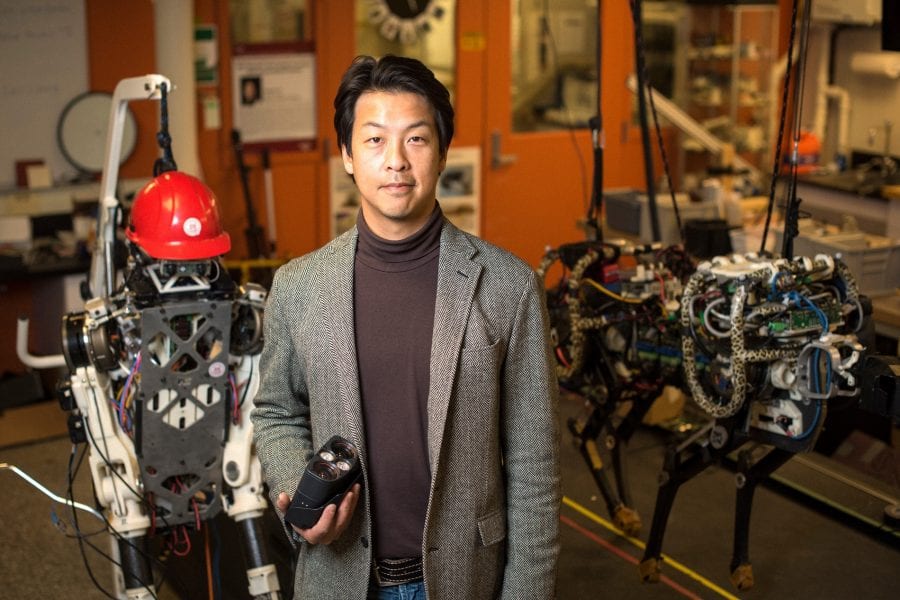
Mechanical engineer Sangbae Kim builds animal-like machines for use in disaster response.
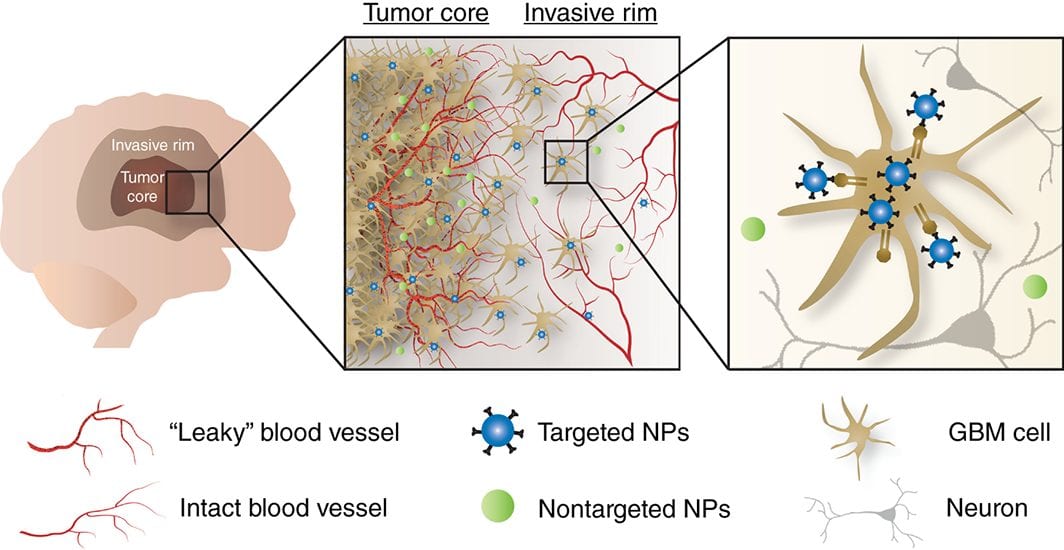
In an effort to overcome barriers to the treatment of glioblastoma (GBM), targeted nanotherapeutics have emerged as promising drug delivery systems with the potential to improve pharmacokinetic profiles and therapeutic efficacy.

Forget the “nature vs nurture” debate, learn the developmental systems perspective in this special collection, which aims to help scientists, parents, teachers, and policy makers understand child development.
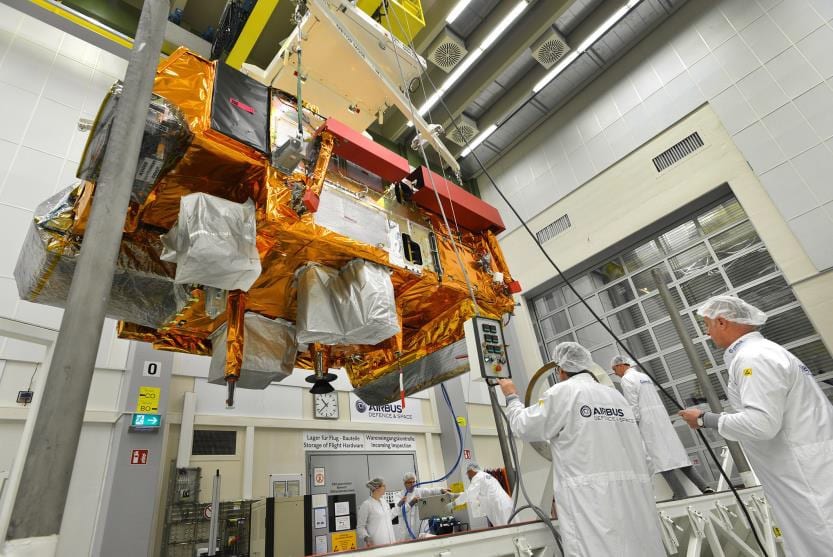
The third MetOp weather satellite is being put to the test.
 New theory suggests gravity is not a fundamental force
 Higgs boson may be driving the Universe’s expansion
 Water-powered gadgets may be on the horizon thanks to new evaporation-based energy device
 Scientists discover a new class of antibiotics
 Micron-sized hidden dimensions could solve two of physics’ deepest puzzles
 A new type of dark matter could explain mysterious radiation from the Milky Way’s core