From Trojan horses that help sneak therapeutics past the blood–brain barrier to advanced brain models built on microchips, we celebrate innovative science in breathtaking images.
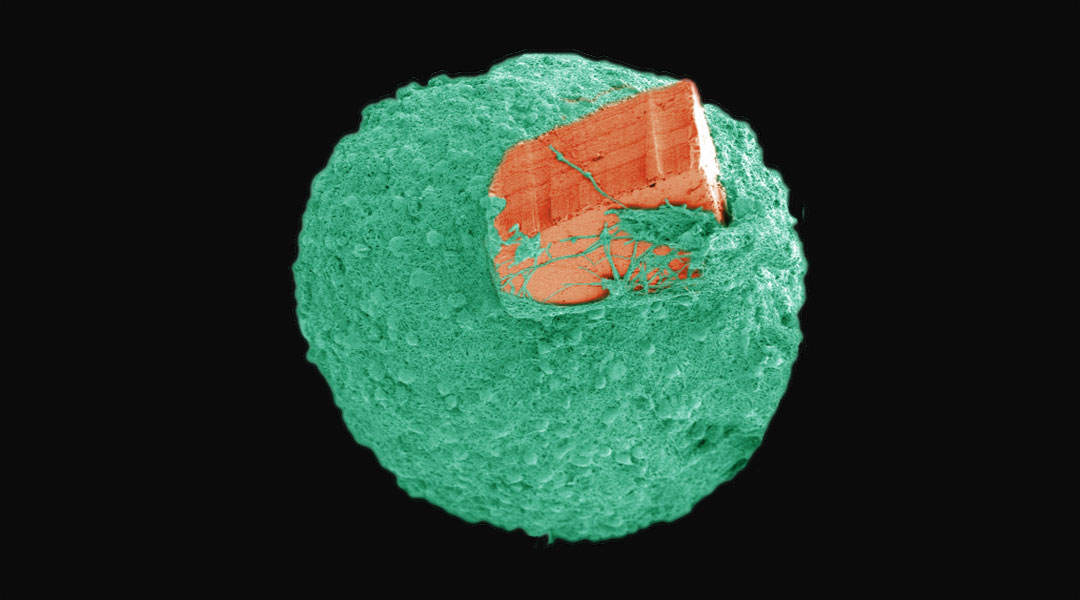

From Trojan horses that help sneak therapeutics past the blood–brain barrier to advanced brain models built on microchips, we celebrate innovative science in breathtaking images.

Which structures in the brain activate when your state of consciousness changes?
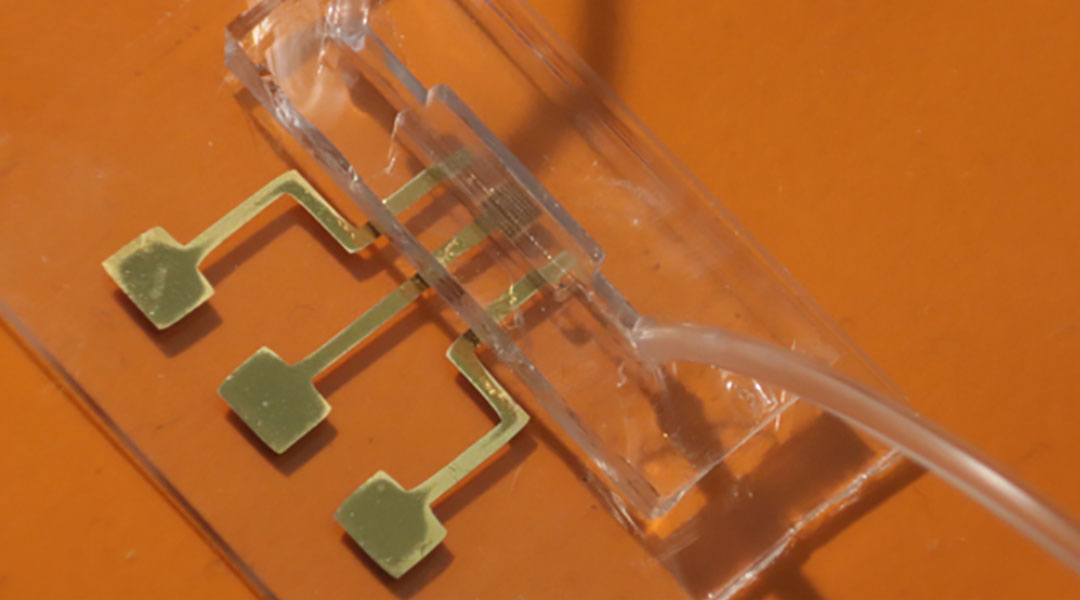
The testing platform identifies the presence of two antibodies in microliter samples of blood.
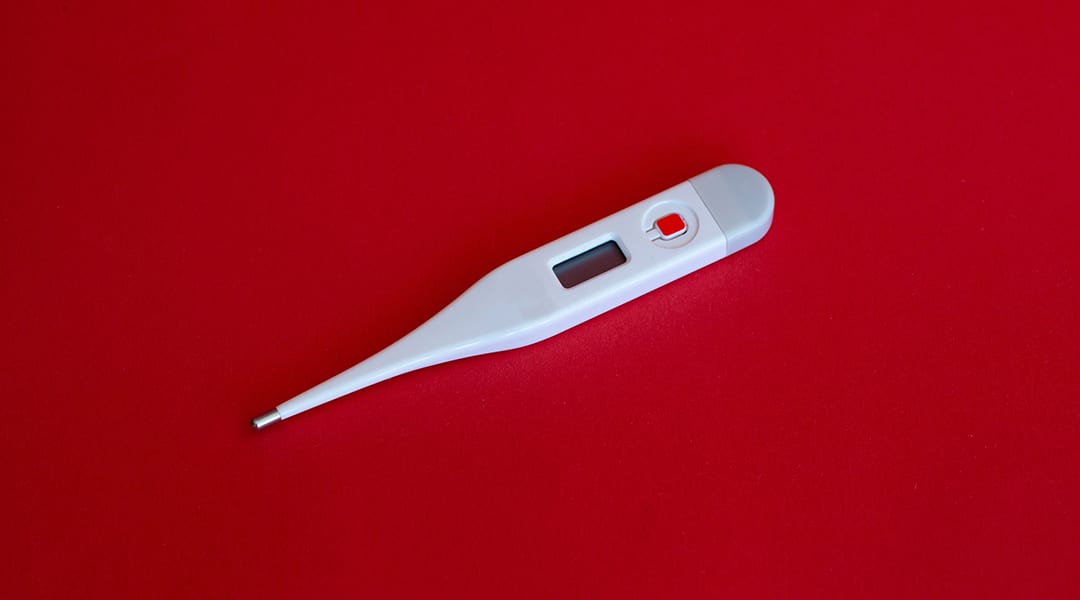
Models that can predict and help us to understand the body’s thermal state could help optimize temperature management strategies in a clinical setting.
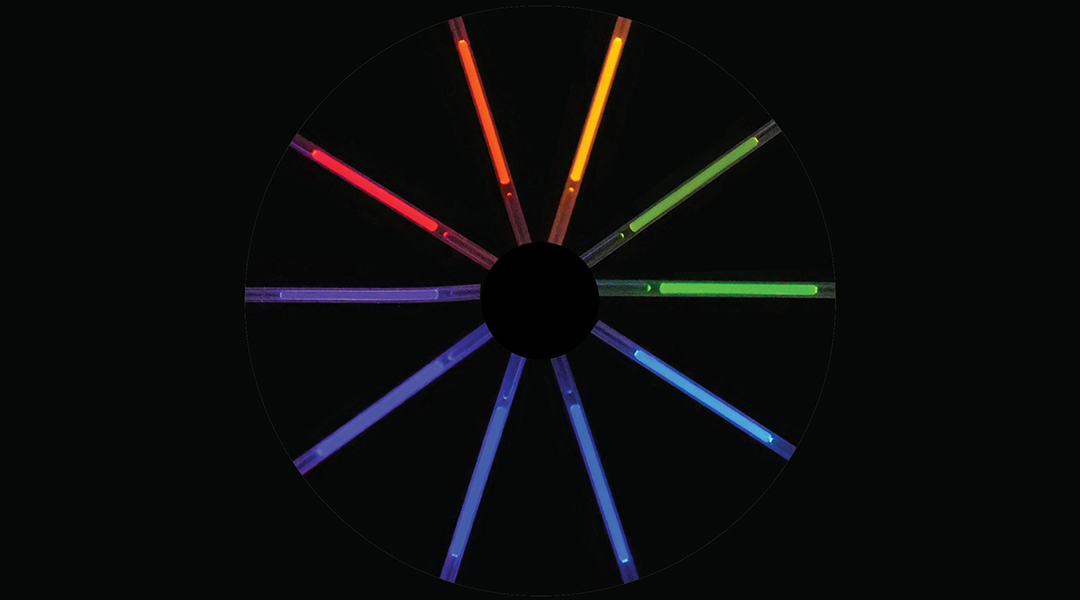
AI and robotics meet fluidics to accelerate materials development, allowing researchers to create quantum dots in under an hour.
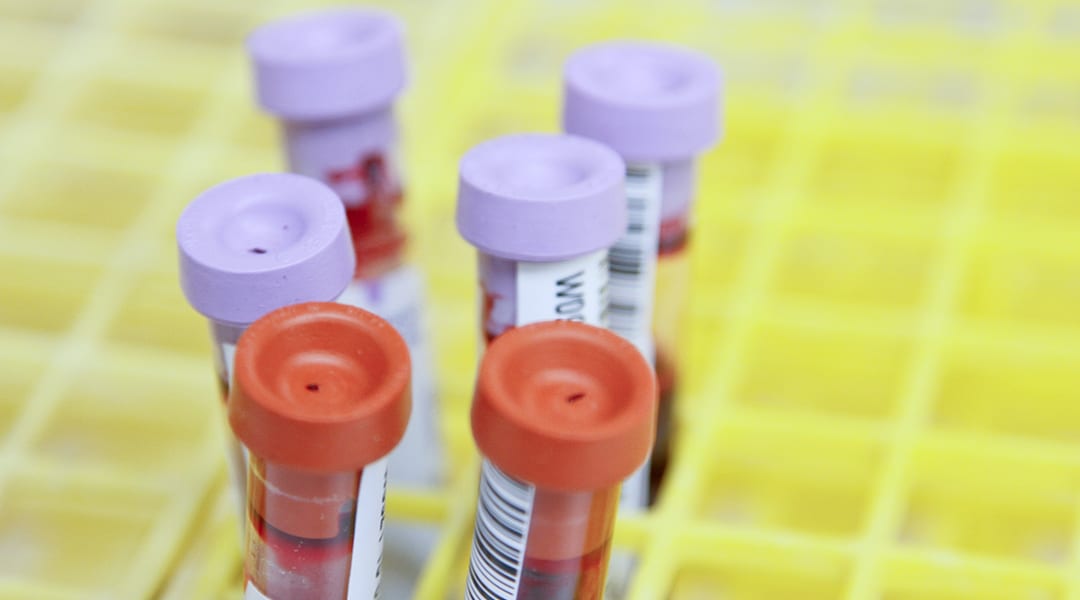
A sensitive blood test for the early diagnosis of Alzheimer’s disease could be possible with nanoparticle arrays.
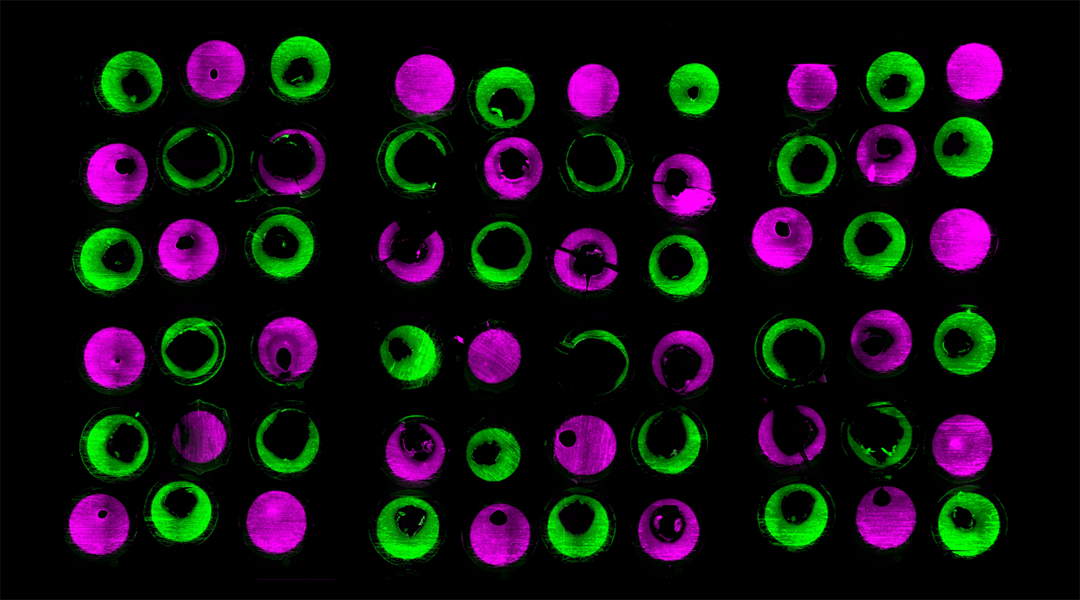
From micrometer-sized nanoflowers to hydrogel hearts, this edition of “This month in pictures” features more intriguing images from our journals and the science behind them.

Animal testing remains a principle screening tool in the drug discovery pipeline, but are they reliable and could there be alternatives to replace them?
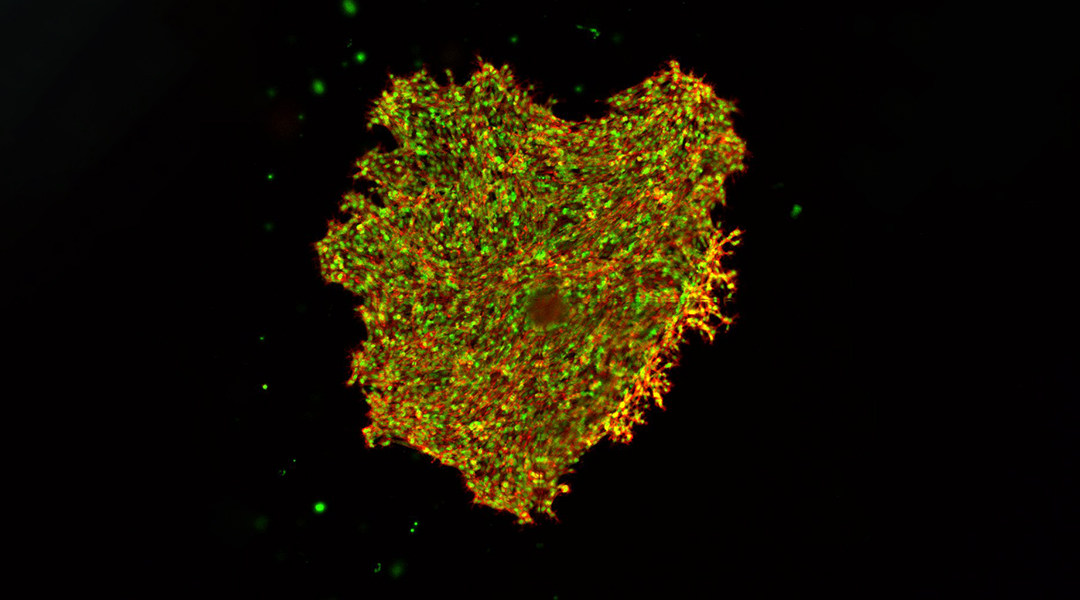
Researchers engineer a hydrogel that recapitulates biophysical changes in the tissues surrounding tumors to investigate how stiffness impacts the mobility of invasive and non-invasive cancer cells.
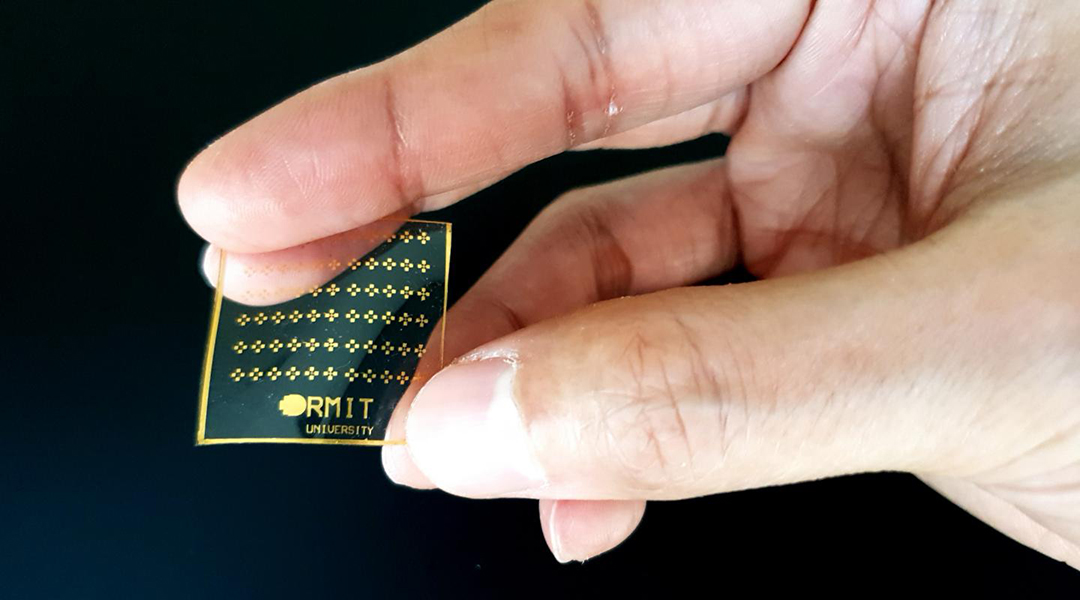
Prototype device electronically replicates the way human skin senses pain.
 New theory suggests gravity is not a fundamental force
 Higgs boson may be driving the Universe’s expansion
 Water-powered gadgets may be on the horizon thanks to new evaporation-based energy device
 Scientists discover a new class of antibiotics
 Micron-sized hidden dimensions could solve two of physics’ deepest puzzles
 A new type of dark matter could explain mysterious radiation from the Milky Way’s core