Your “friendly neighborhood astrophysicist” Becky Smethurst is enthusiastically exploring the universe and educating us along the way.

Your “friendly neighborhood astrophysicist” Becky Smethurst is enthusiastically exploring the universe and educating us along the way.
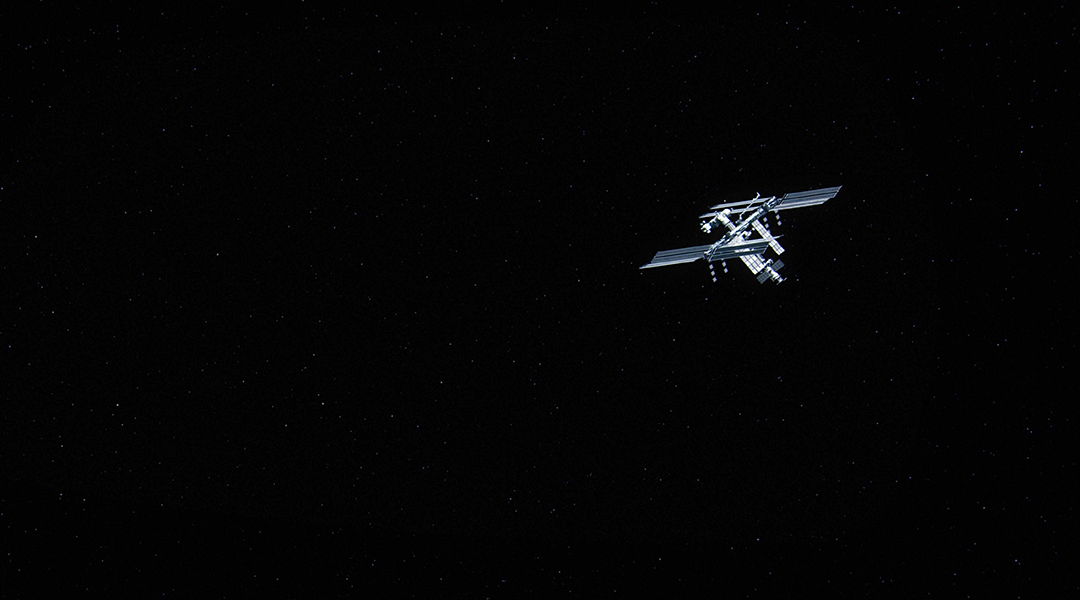
DNA damage by radiation is a concern for space travelers. New experiments on the ISS show that CRISPR gene editing tools can function in space and can potentially be used to mitigate these effects.

Computer-aided drug discovery looks to neural networks that can better predict chemical properties to streamline the search for new therapeutics.
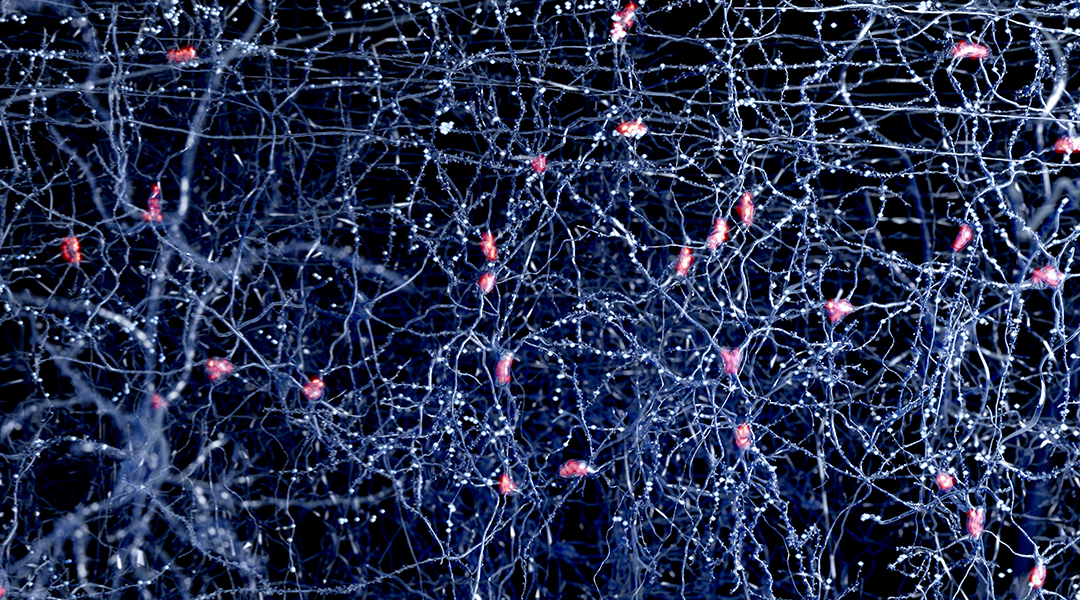
A new type of hydrogel could radically transform a novel stem cell treatment for Parkinson’s disease.
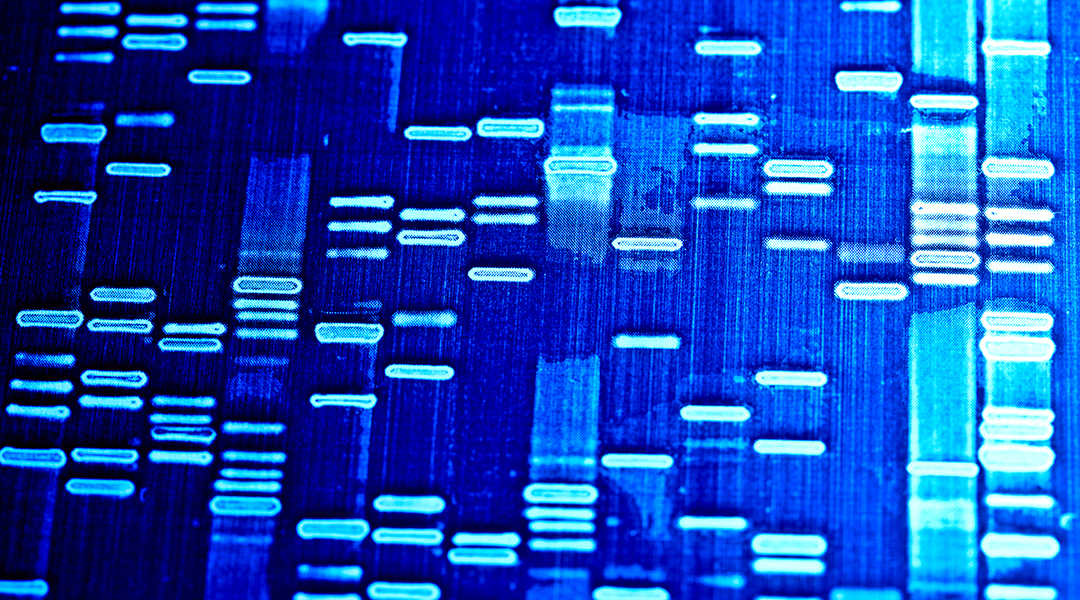
Genomic editing tools can reverse disease causing mutations to provide cures — once we can conquer the remaining barriers.
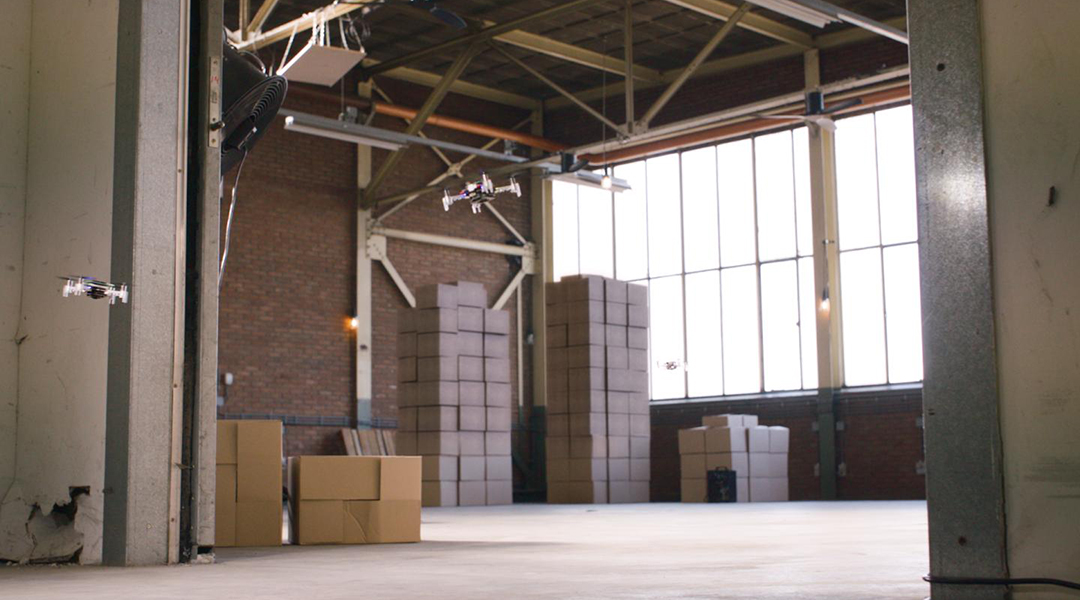
Using modified “CrazyFlie” drones, researchers develop a strategy for finding gas leaks more efficiently and without risk to human lives.
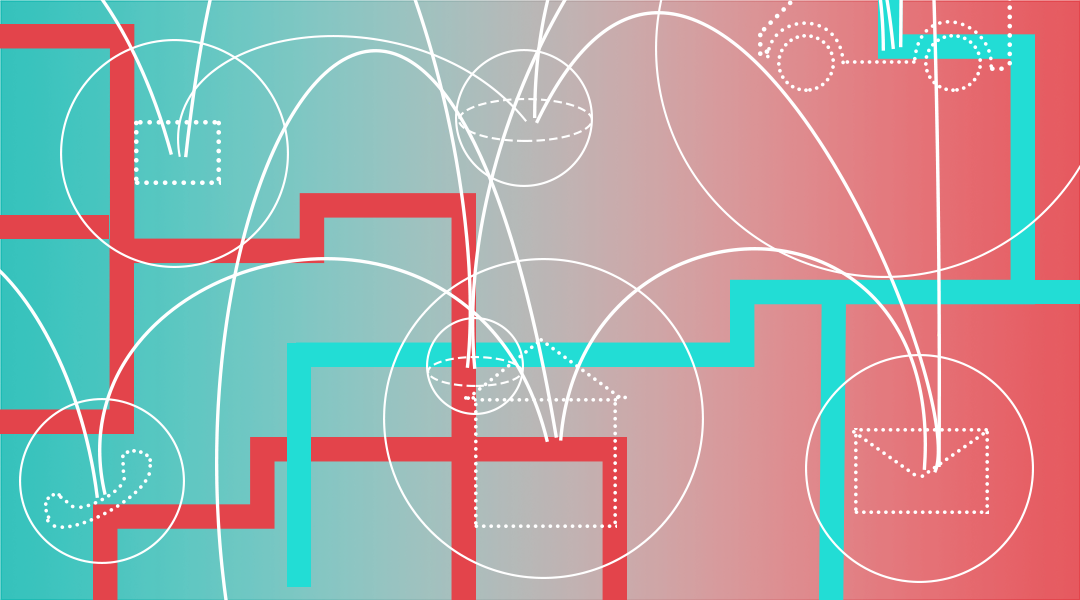
The idea of connecting all physical things together: let’s delve into how the Internet of Things is changing the world.
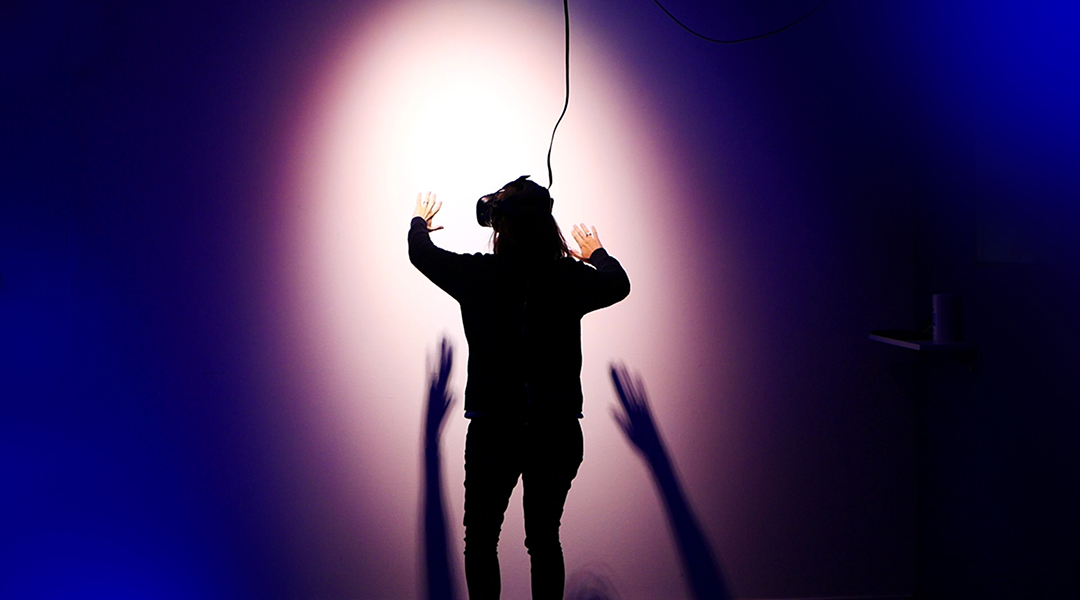
Researchers are investigating how virtual reality can cause a fear response, but what if it could cure those fears instead?
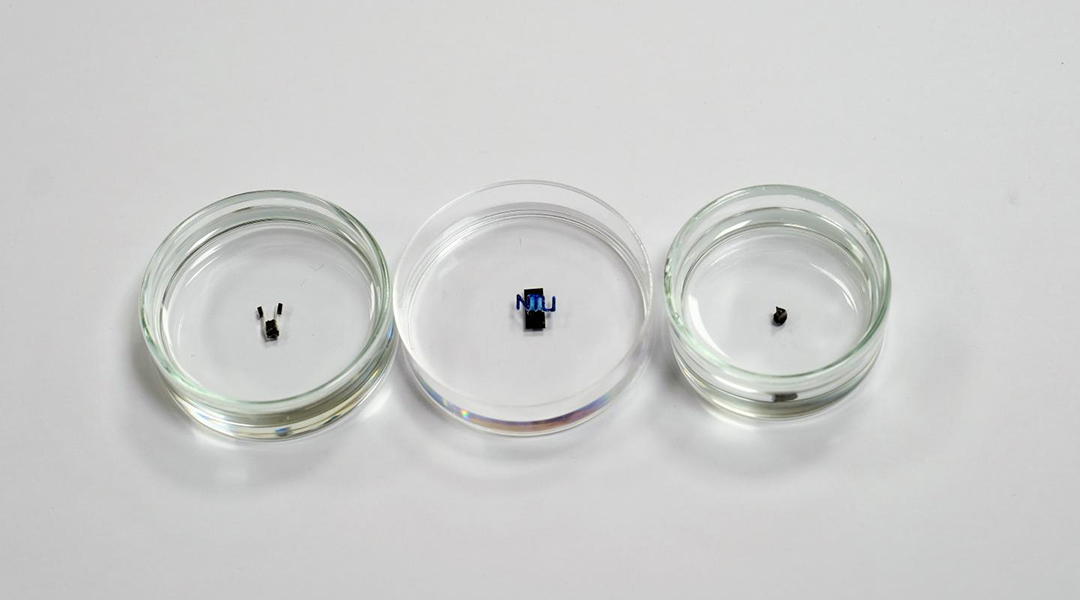
Researchers create swimming, moving, gripping miniature robots.
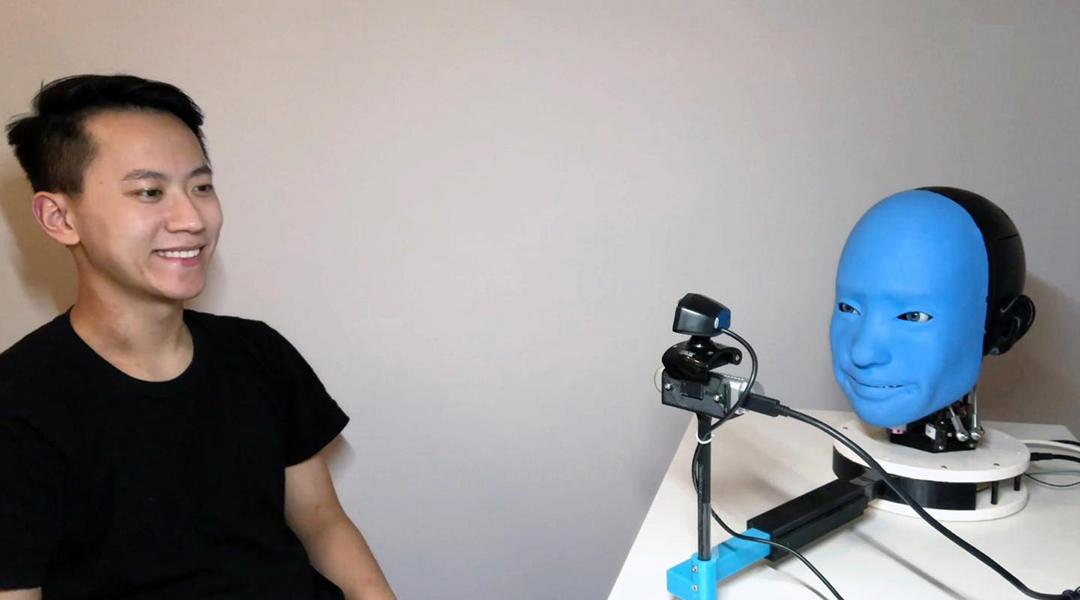
Researchers teach robots to make appropriate reactive human facial expressions, an ability that could build trust between humans and their robotic co-workers and care-givers.
 New theory suggests gravity is not a fundamental force
 Higgs boson may be driving the Universe’s expansion
 Water-powered gadgets may be on the horizon thanks to new evaporation-based energy device
 Scientists discover a new class of antibiotics
 Micron-sized hidden dimensions could solve two of physics’ deepest puzzles
 A new type of dark matter could explain mysterious radiation from the Milky Way’s core