How much does materials science stand to gain from Nature? Professor Ozin gives his take on the progress of biomimetics.
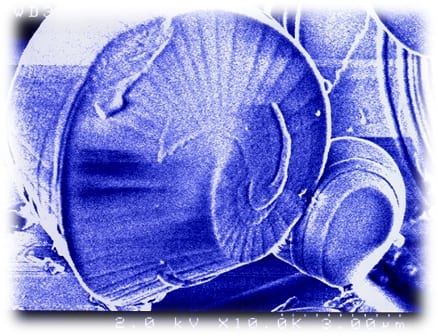

How much does materials science stand to gain from Nature? Professor Ozin gives his take on the progress of biomimetics.
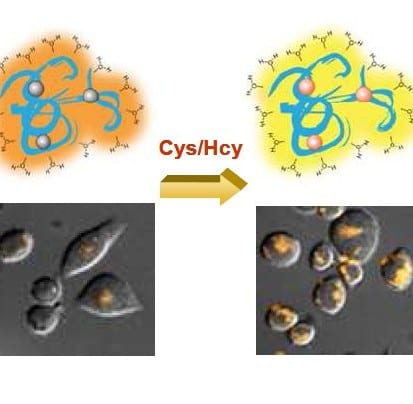
A phosphorescent iridium(III) complex-functionalized poly(N-isopropylacrylamide) is a promising probe for bioimaging applications.
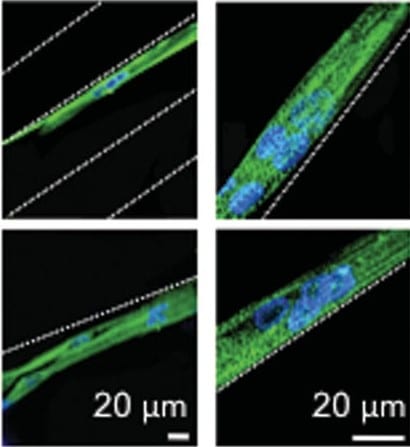
Researchers have engineered a protein biomaterial to generate mimics of human skeletal muscle to study the effect of injury and disease on this tissue.

Entrepreneurship in materials: interview with Chris Yakacki founder of shape memory polymer biomedical devices maker Medshape
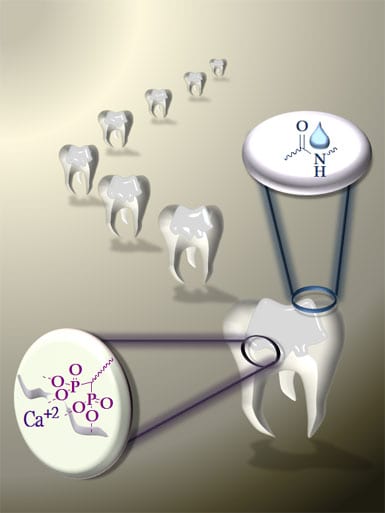
A new form of dental adhesives, containing bisphosphonate and bisphosponic acid, improves the ability to etch enamel and increases stability in water.
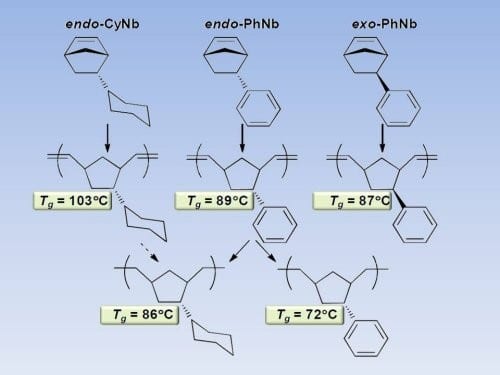
Researchers from the Princeton University show that the glass transition temperature of norbornene polymers can be raised drastically by adding a phenyl side group.
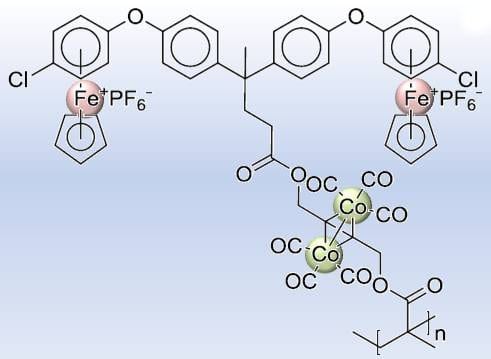
Canadian researchers now synthesized polymers that contain two different organometallic cores by post modification of organoiron poly(alkynyl methacrylates) with dicobalt hexacarbonyl.
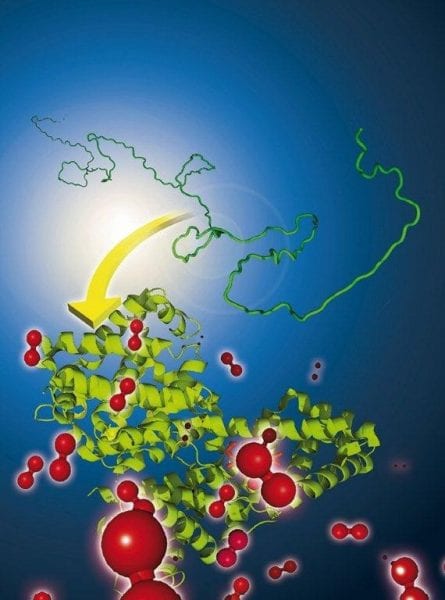
Nobel laureate Ahmed H. Zewail has summarized his insights into the physical backgrounds of protein folding.
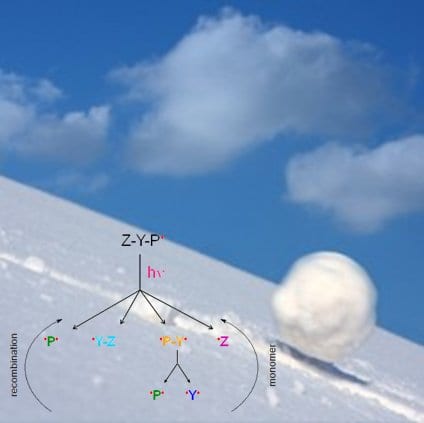
Klaus Tauer and co-workers (Golm, Germany) report the discovery of an unusually rapid and high-yielding emulsion polymerization reaction that does not follow zero-one kinetics.
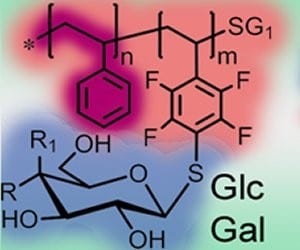
Researchers from the University of Jena (Germany) designed glycopolymeric materials with tailored properties to independently study the parameters that impact cellular uptake.
 New theory suggests gravity is not a fundamental force
 Higgs boson may be driving the Universe’s expansion
 Water-powered gadgets may be on the horizon thanks to new evaporation-based energy device
 Scientists discover a new class of antibiotics
 Micron-sized hidden dimensions could solve two of physics’ deepest puzzles
 A new type of dark matter could explain mysterious radiation from the Milky Way’s core