German biotechnologists seek to recycle waste with the ultimate aim of creating a sustainable cycle of materials.


German biotechnologists seek to recycle waste with the ultimate aim of creating a sustainable cycle of materials.
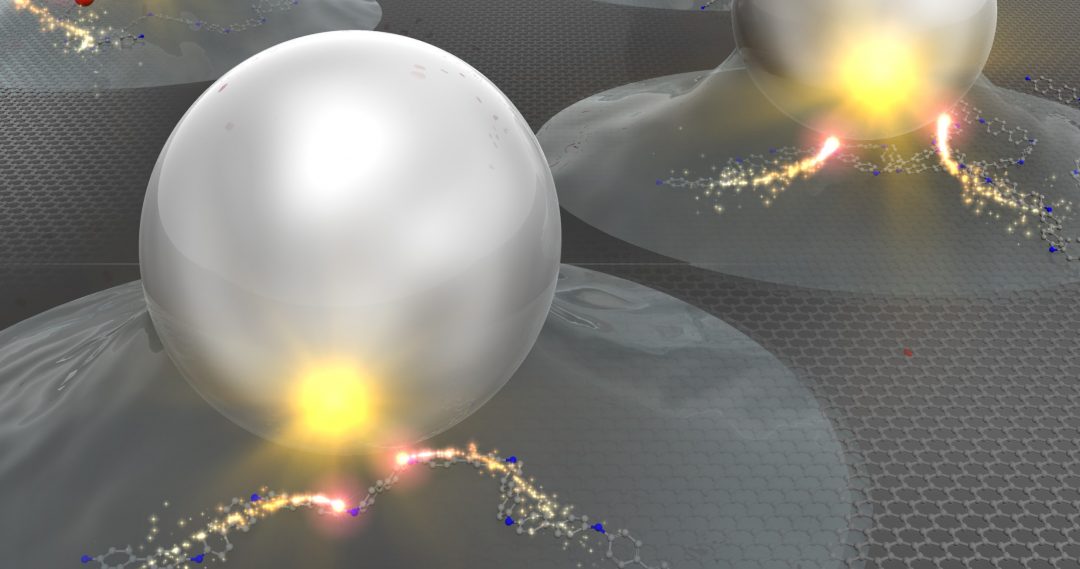
A recent Excellence in Energy report reviews the preparation, characterization, and testing of heterogeneous single-atom catalysts.
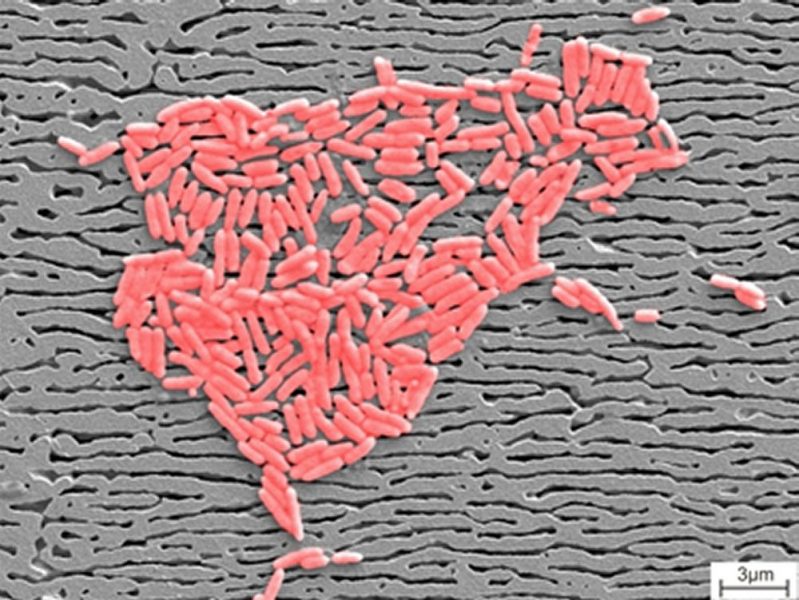
Ni-based superalloys, hitherto utilized exclusively for high temperature applications, e.g. as turbine blades in aero engines, are used to prepare heat-resistant membranes.

A team of researchers found an innovative way of curing ham by using plasma-treated water as an alternative to chemical curing solutions.

In their review in BioEssays, Karl Duderstadt and colleagues challenge the long-held view that DNA replication follows a single highly reproducible sequence of molecular events.
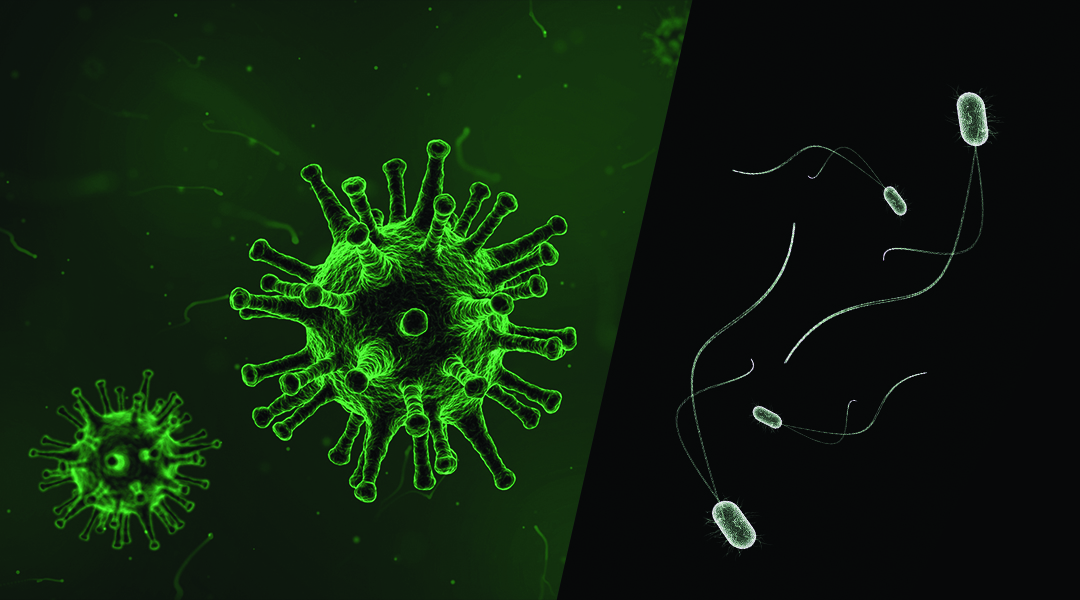
Human microbiota, blood group antigens, and disease, a look at the ways that microbiota interact with the human body.

Researchers investigated whether a spider silk protein developed in the laboratory could be suitable for engineering cardiac tissue.
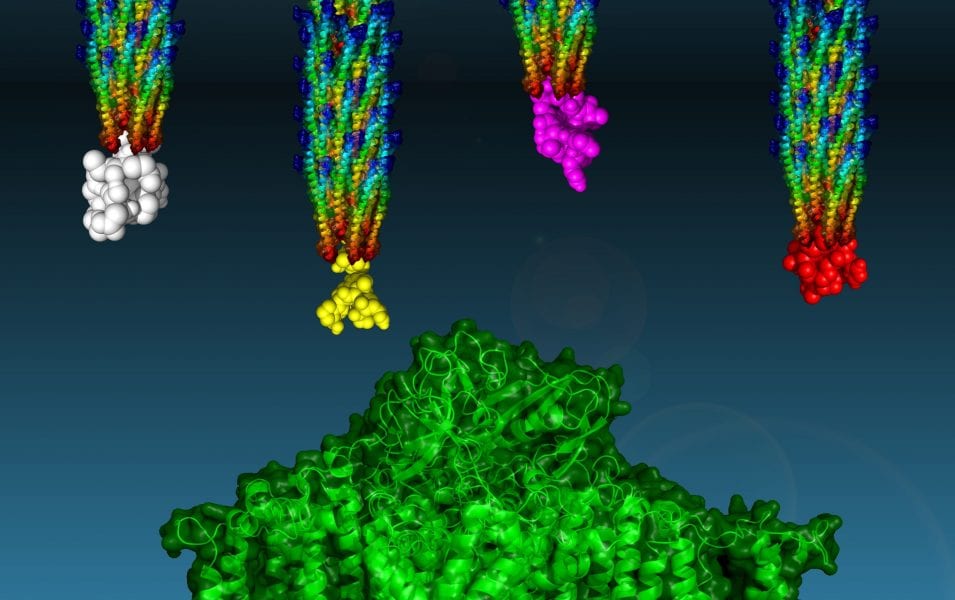
Biophotovoltaic devices by incorporation of oriented Photosystem I via phage display.
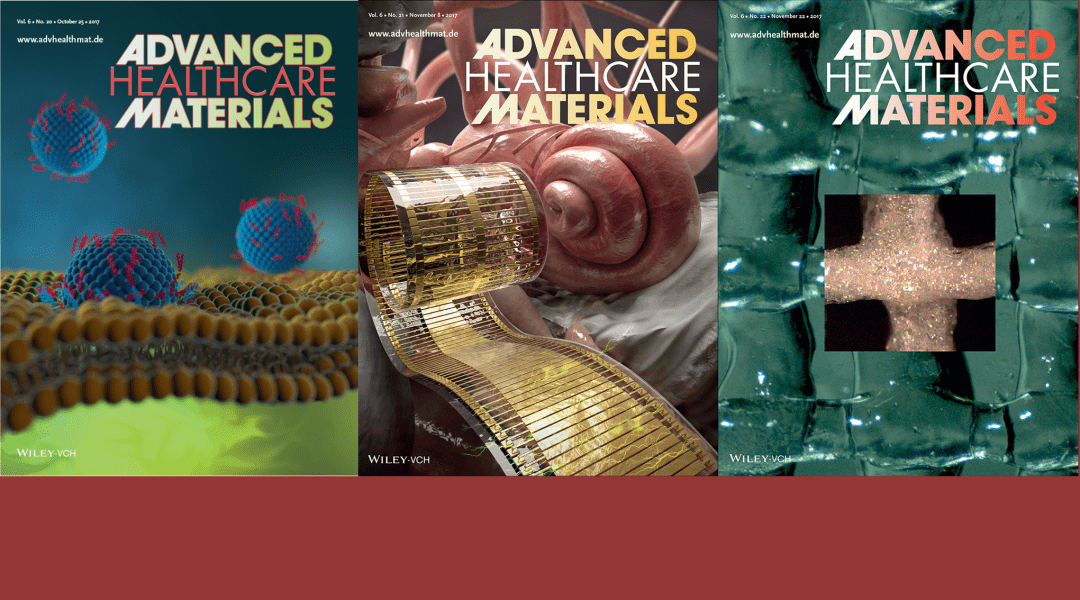
Latest Advanced Healthcare Materials covers.

A group of researchers from the Massachusetts Institute of Technology (MIT) generate living materials and devices by 3D printing genetically programmed bacterial cells. The living bioink can be used to print novel materials including logic gates and a living tattoo for chemical detection on human skin.
 New theory suggests gravity is not a fundamental force
 Higgs boson may be driving the Universe’s expansion
 Water-powered gadgets may be on the horizon thanks to new evaporation-based energy device
 Scientists discover a new class of antibiotics
 Micron-sized hidden dimensions could solve two of physics’ deepest puzzles
 A new type of dark matter could explain mysterious radiation from the Milky Way’s core