Self-propelled-onion-like microvehicle can attract, trap, and destroy biological threats
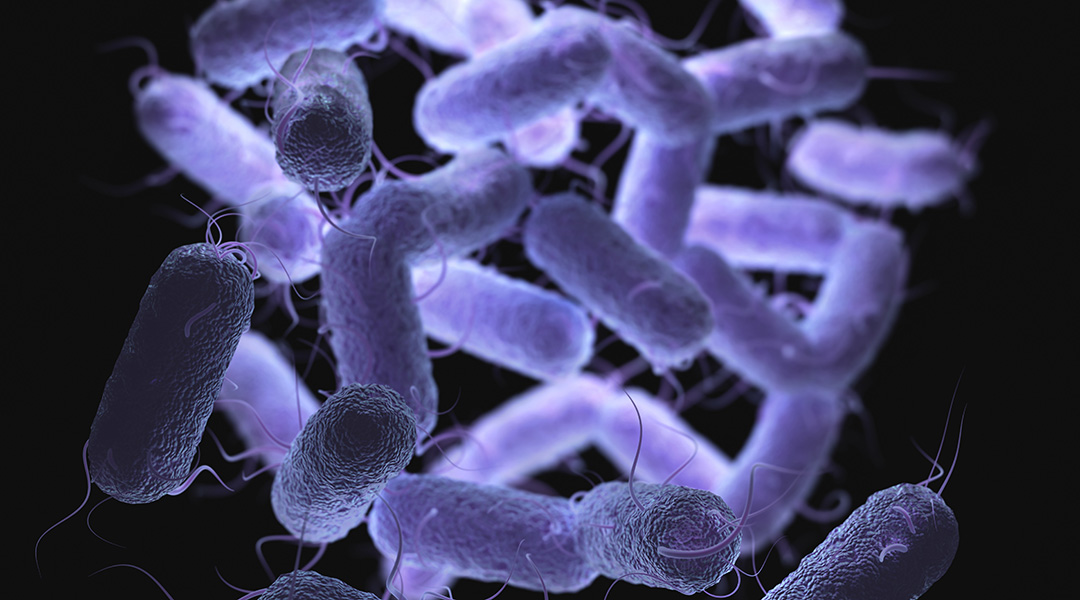

Self-propelled-onion-like microvehicle can attract, trap, and destroy biological threats
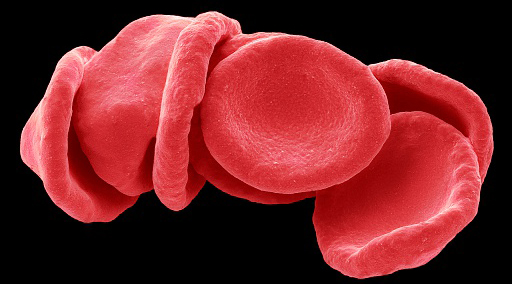
Physicists design super-human red blood cells to deliver drugs to specific targets.
Researchers develop a biomimetic hydrogel with photodynamic antimicrobial effect.

Researchers use CRISPR-Cas12a as a DNA shredder to clean up and mobilize parts of DNA-origami structures.
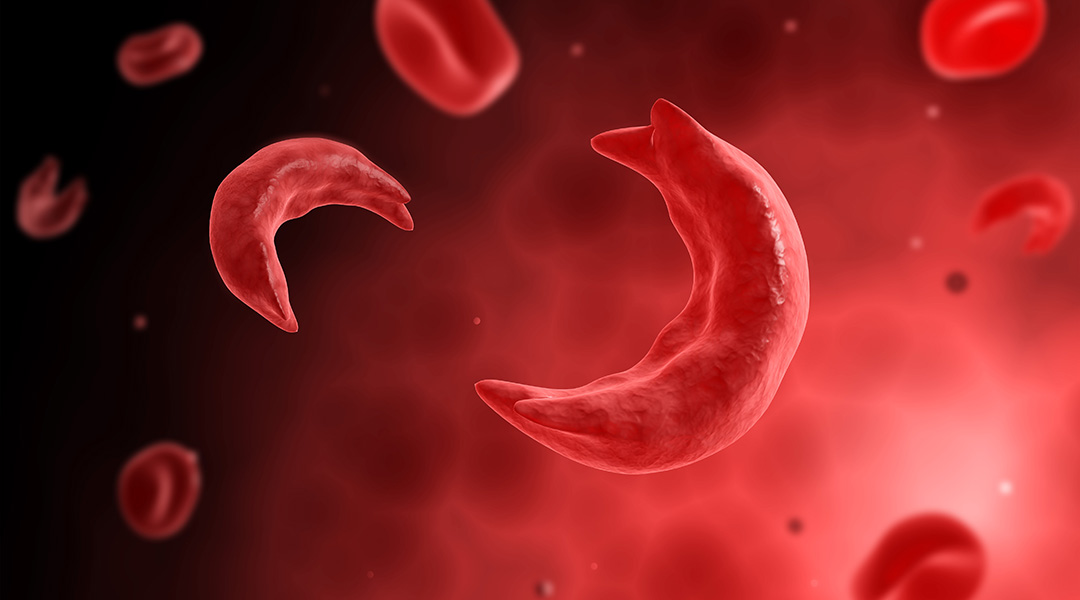
In 2019, CRISPR gene-editing therapy was used for the first time to treat sickle cell disease.
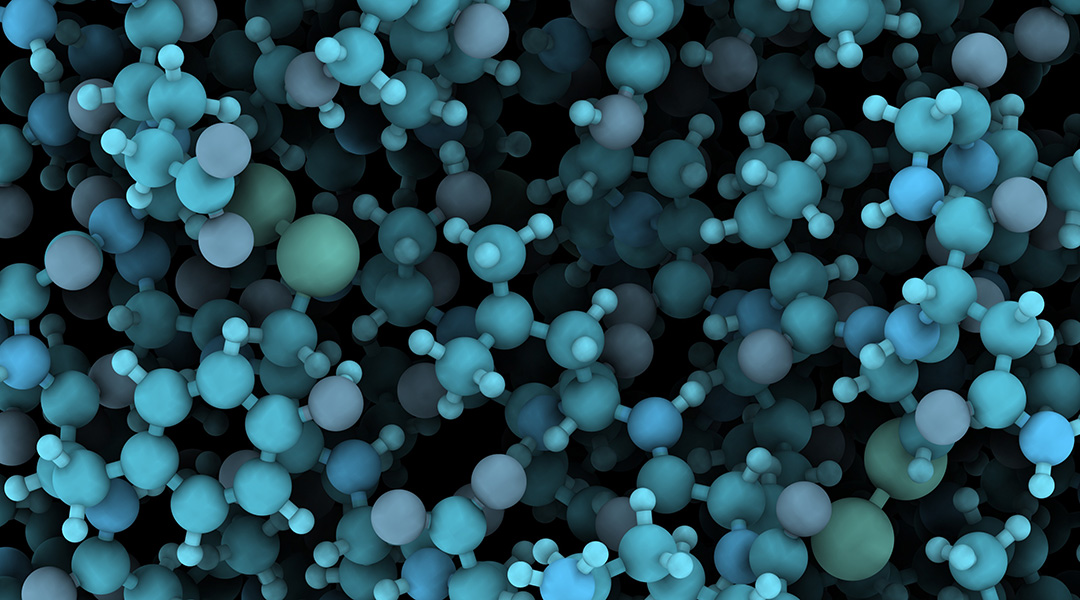
Protein-protected metal nanoclusters have excellent biocompatibility and have received considerable attention as a luminescent probe in a number of fields such as biosensing, bioimaging, and imaging-guided therapy.

Researchers removed metals and organic impurities from water using magenetic nanoparticles that contain an ionic liquid phase.
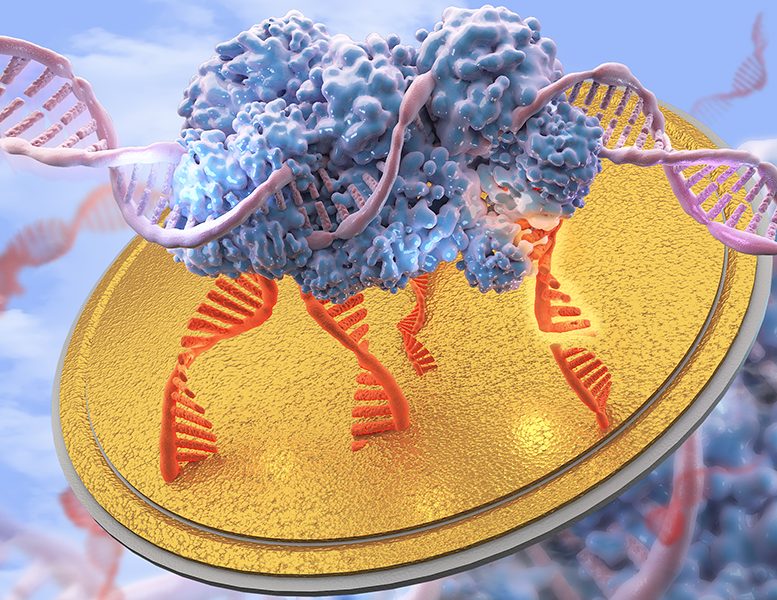
A new use for the revolutionary gene-splicing tool. This new “Electrochemical CRISPR” can quickly and accurately identify viral biomarkers for a range of diseases, including HPV and Parvovirus.
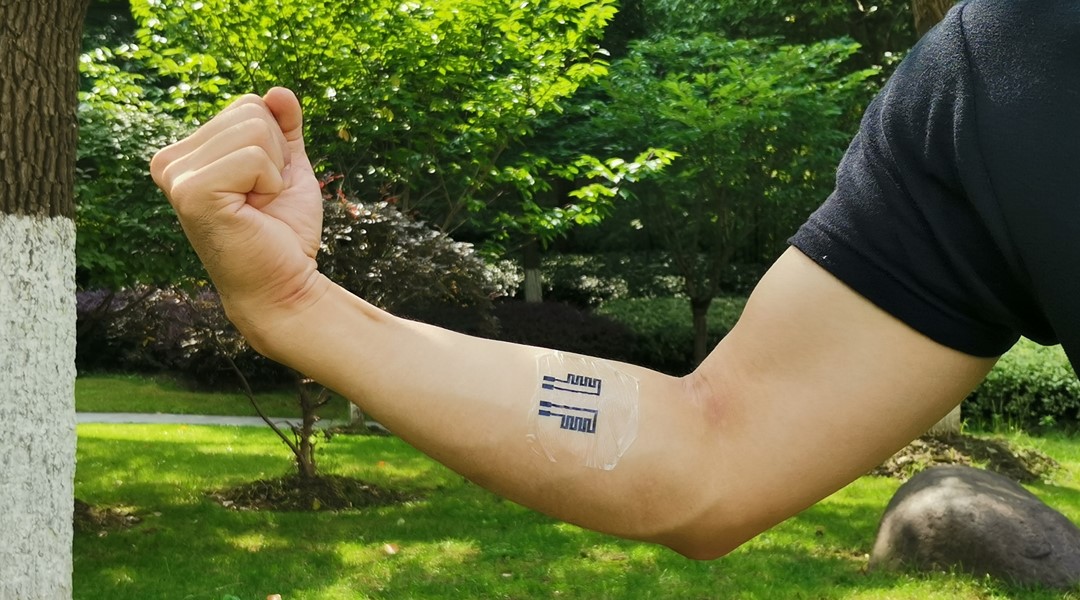
Skin-friendly epidermal electronic devices fabricated using flexible, stretchable, and degradable protein-based substrates could offer a viable solution to real-time health and fitness monitoring.
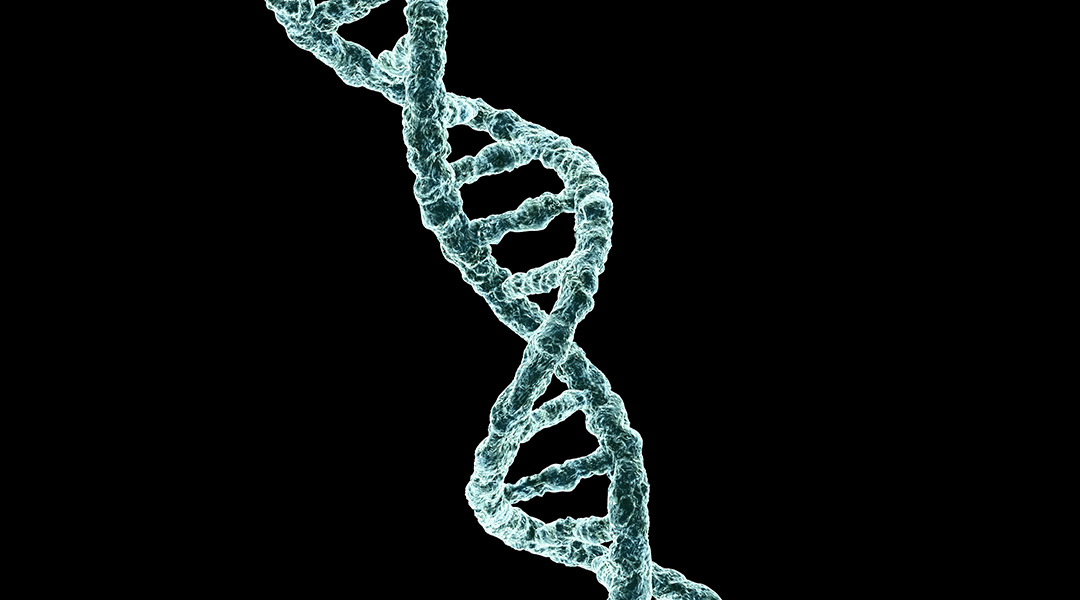
Understanding the nature and origin of the non-coding genome.
 New theory suggests gravity is not a fundamental force
 Higgs boson may be driving the Universe’s expansion
 Water-powered gadgets may be on the horizon thanks to new evaporation-based energy device
 Scientists discover a new class of antibiotics
 Micron-sized hidden dimensions could solve two of physics’ deepest puzzles
 A new type of dark matter could explain mysterious radiation from the Milky Way’s core