A recent study discovers that CRISPR can be used for a number of different purposes by diverse biological entities, not just humans and bacteria.
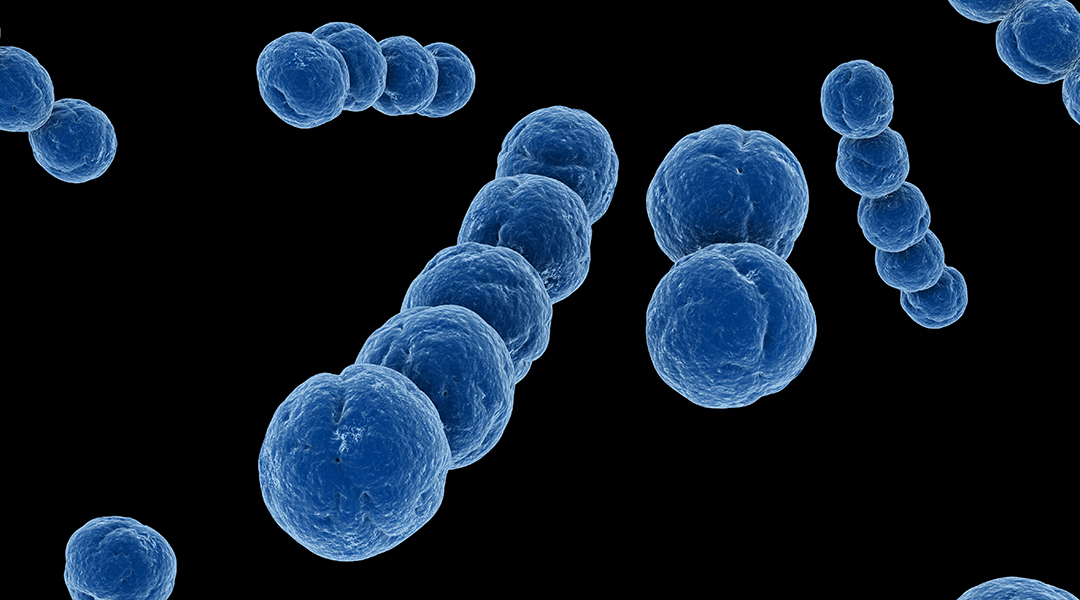

A recent study discovers that CRISPR can be used for a number of different purposes by diverse biological entities, not just humans and bacteria.
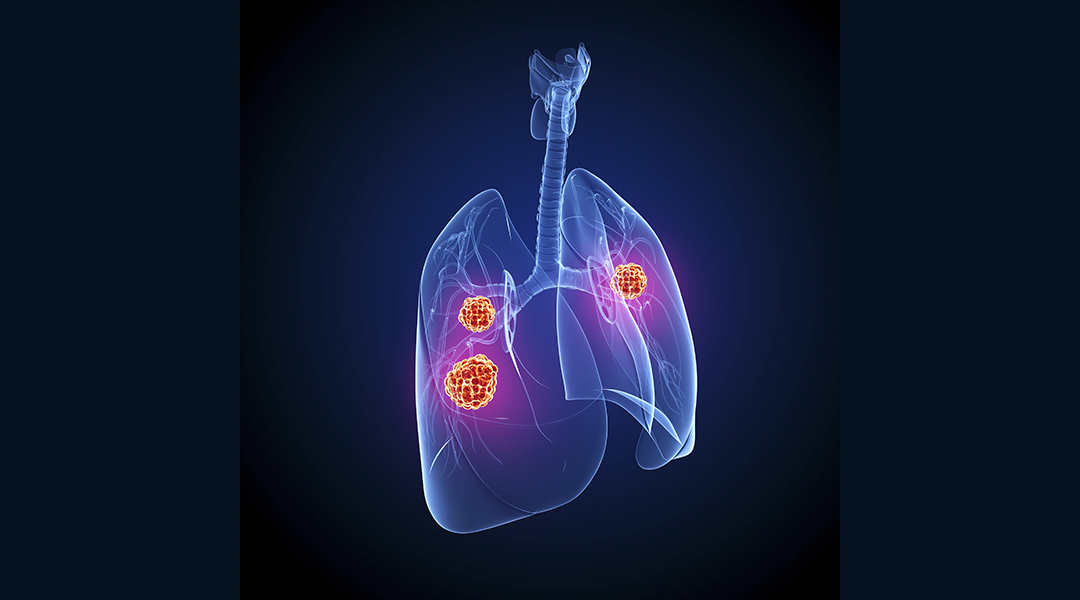
A new class of biocompatible protein-based nanoparticles that have outstanding near-infrared emission for deep tissue imaging.

Today’s green chemistry technologies open the route to a broader and richer economy for lemons, well beyond the fresh fruit and fruit juice markets.
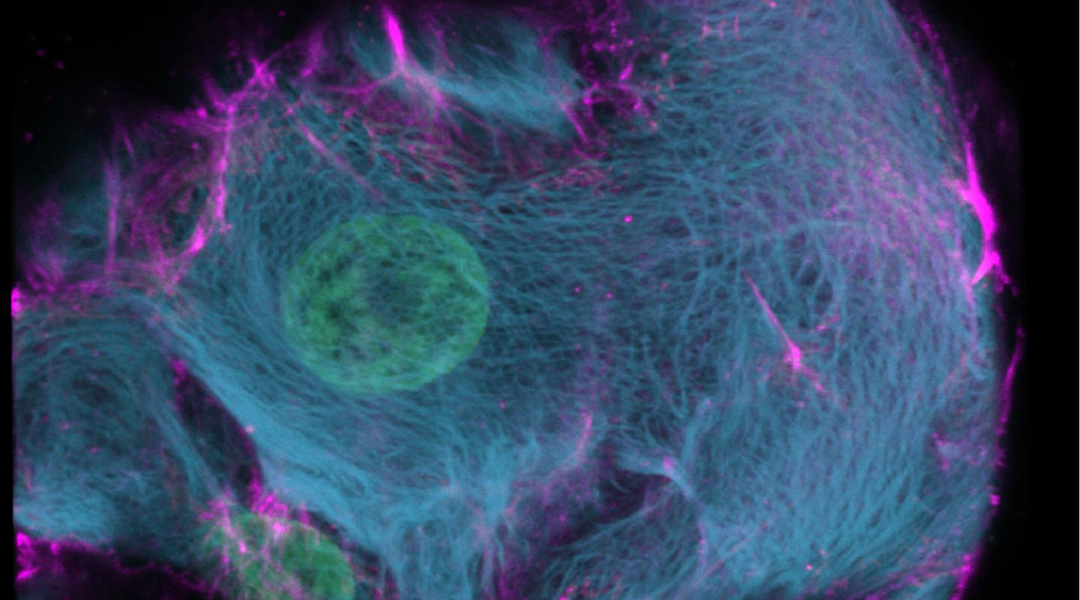
A new take on CRISPR allows researchers to “paint” cells and observe never-before-seen cellular processes in great detail.

Data shows we don’t need to be as concerned about large methane releases from large carbon reservoirs in response to future warming; we should be more concerned about methane released from human activities.
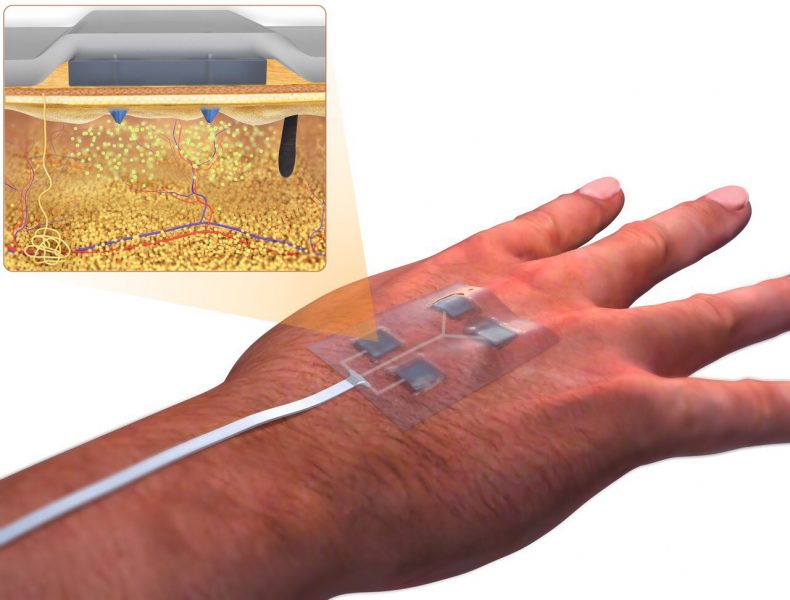
A new smart bandage is effective in the treatment of chronic wounds brought about by diabetes.
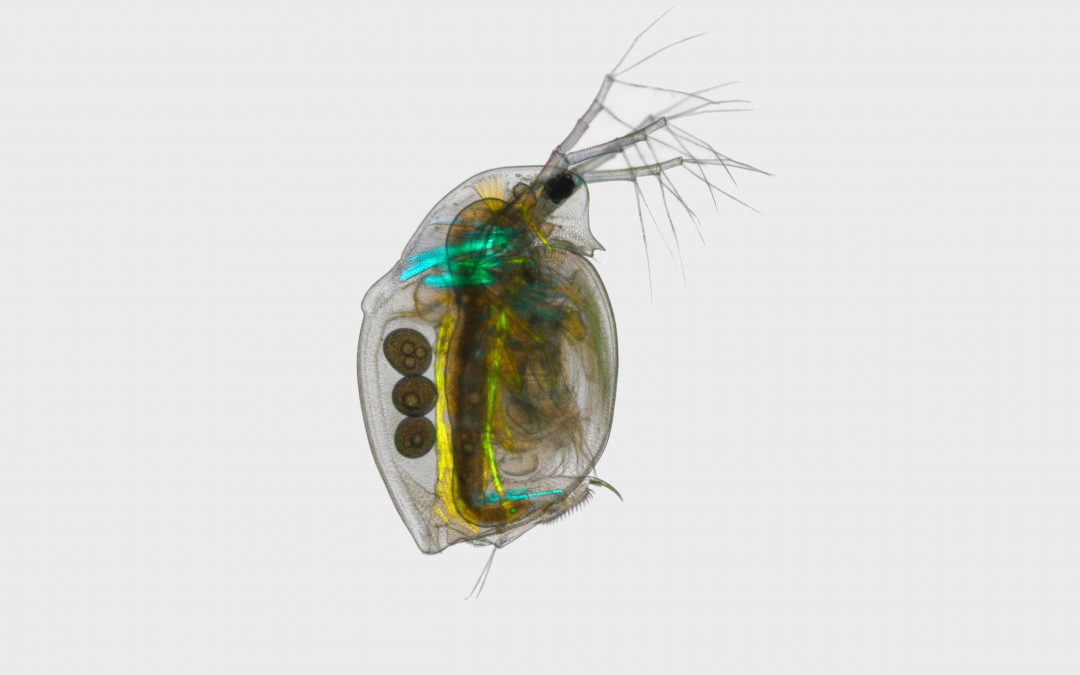
What is the advantage of laying eggs that are expensive to produce and take a long time to hatch? Perhaps there is more to this paradox then we originally thought.
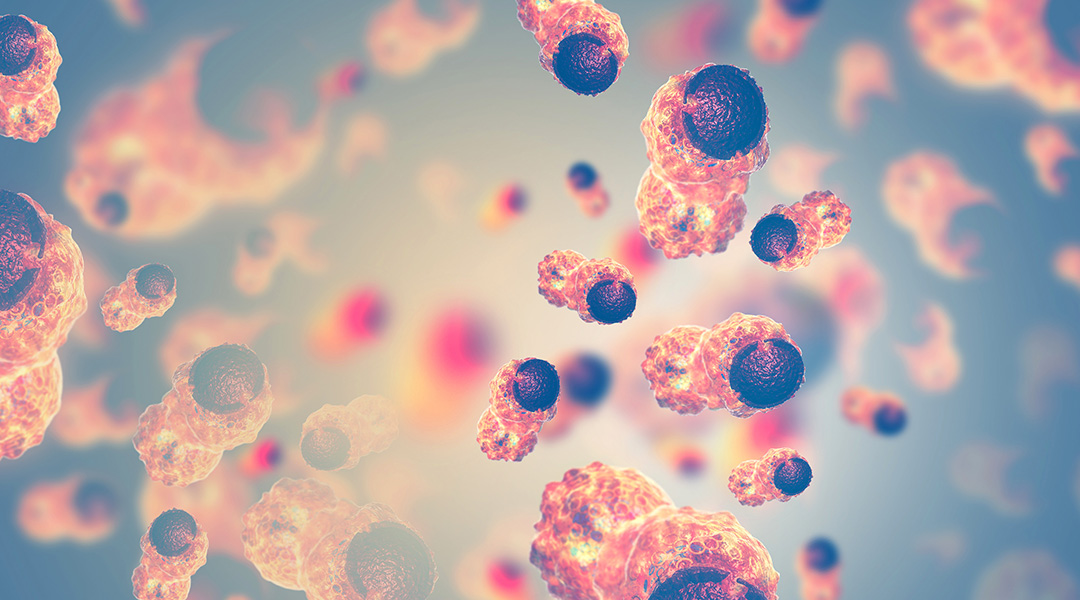
For the first time, a nanorobot is developed that can both report the location of, and treat, cancer associated RNA.
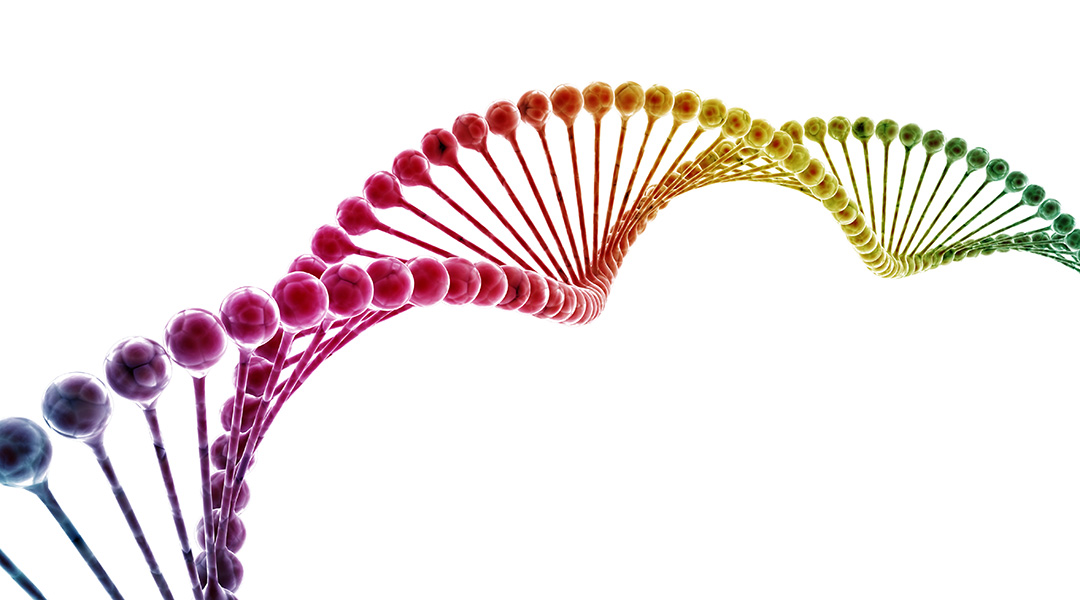
The current barriers of CRISPR/Cas9 delivery and promising development of nanoparticle-based approaches for precise gene editing.
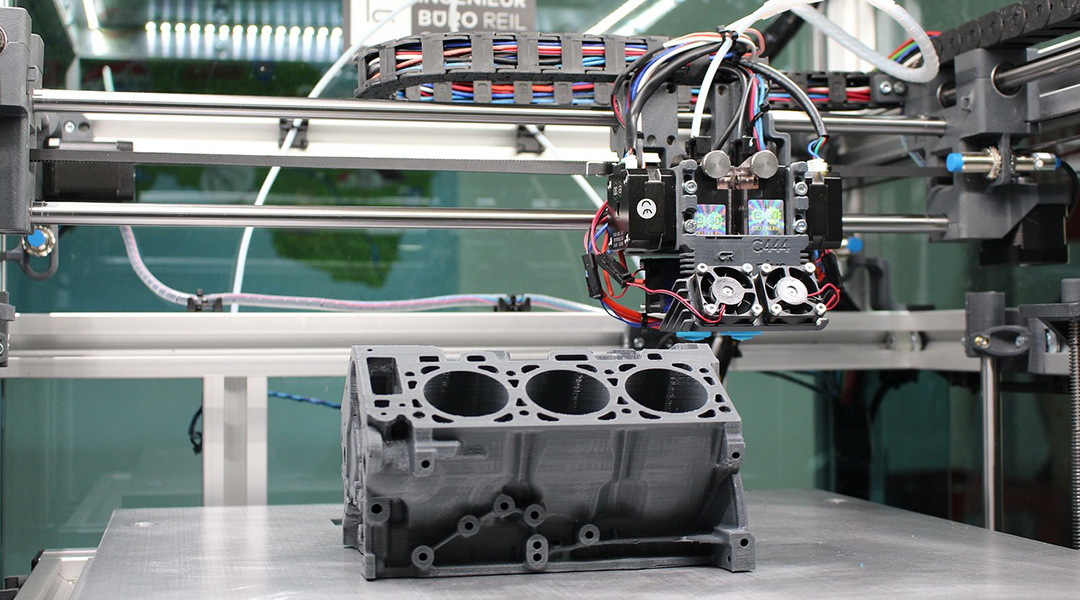
Australian researchers find copper to be the perfect match to significantly improve 3D-printing of titanium
 New theory suggests gravity is not a fundamental force
 Higgs boson may be driving the Universe’s expansion
 Water-powered gadgets may be on the horizon thanks to new evaporation-based energy device
 Scientists discover a new class of antibiotics
 Micron-sized hidden dimensions could solve two of physics’ deepest puzzles
 A new type of dark matter could explain mysterious radiation from the Milky Way’s core