A new hypothesis explores how potassium came to be the dominant biological cation.

A new hypothesis explores how potassium came to be the dominant biological cation.
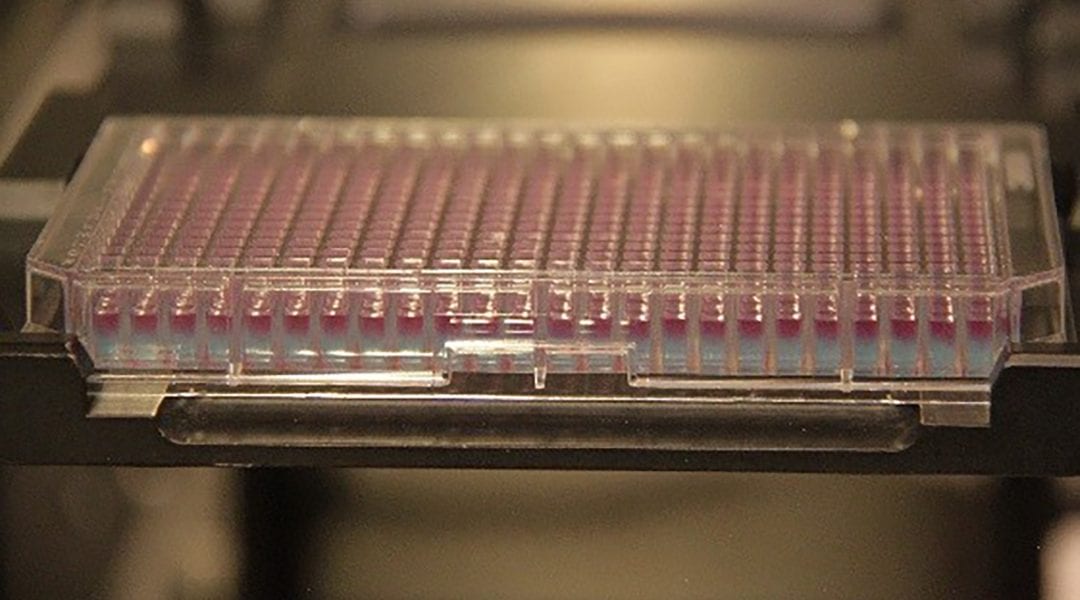
A temperature-responsive, porous hydrogel enables more efficient and sustained protein synthesis.
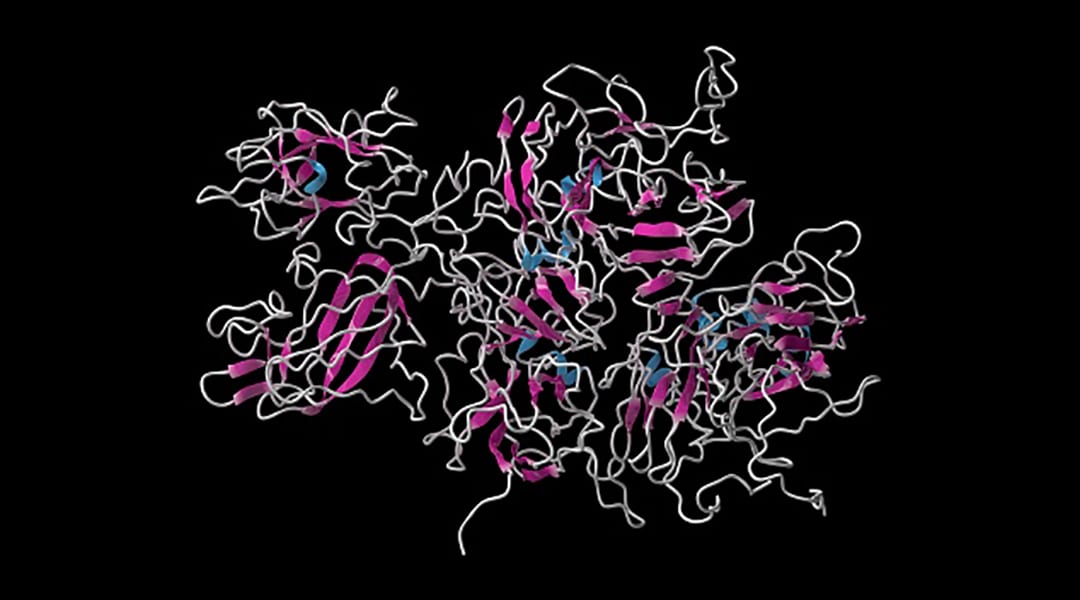
Using their deep-learning program, AlphaFold, researchers predict the 3D structure of proteins using only their linear amino acid sequence, revolutionizing computational biology as we know it.

Developments in pathogen-detecting materials could provide an easy means of detecting viruses within public places.
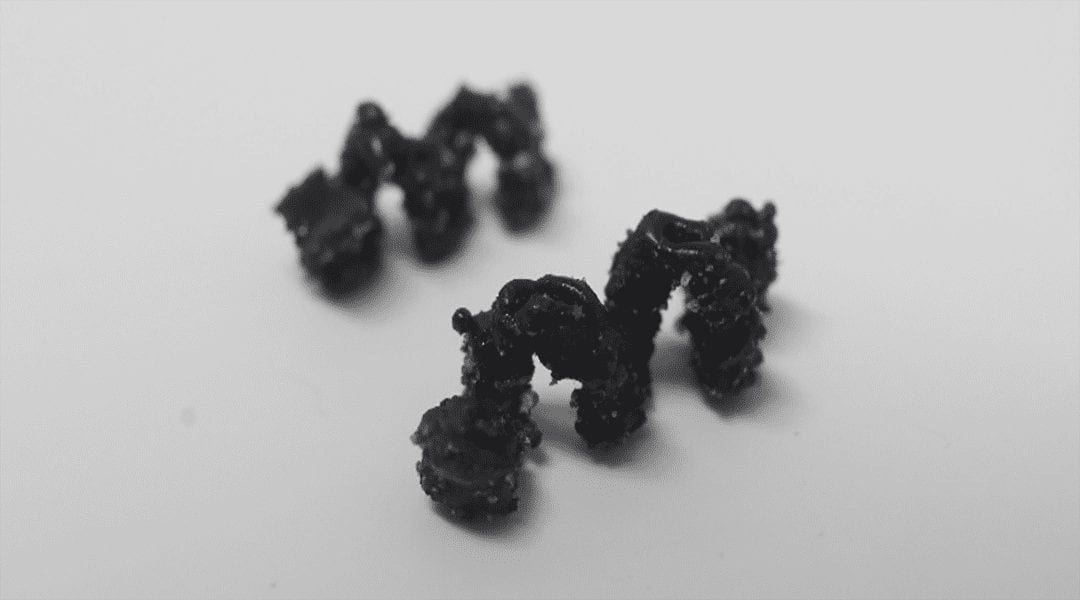
By mixing sugar and magnetic particles, researchers create biodegradable “CANDYBOTS” with potential applications in drug delivery and ingestible devices.
Recent advanced in nanoparticle-based SERS imaging has led to better diagnoses of diseases like cancer, and improvements in image-guided tumor surgeries.
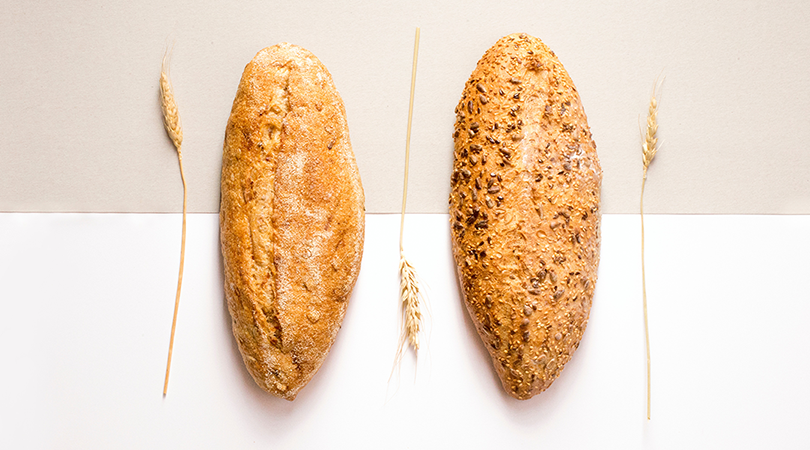
Understanding how gluten affects the gut is a key to understanding whether gluten-free diets are merely a fad or based in solid science.
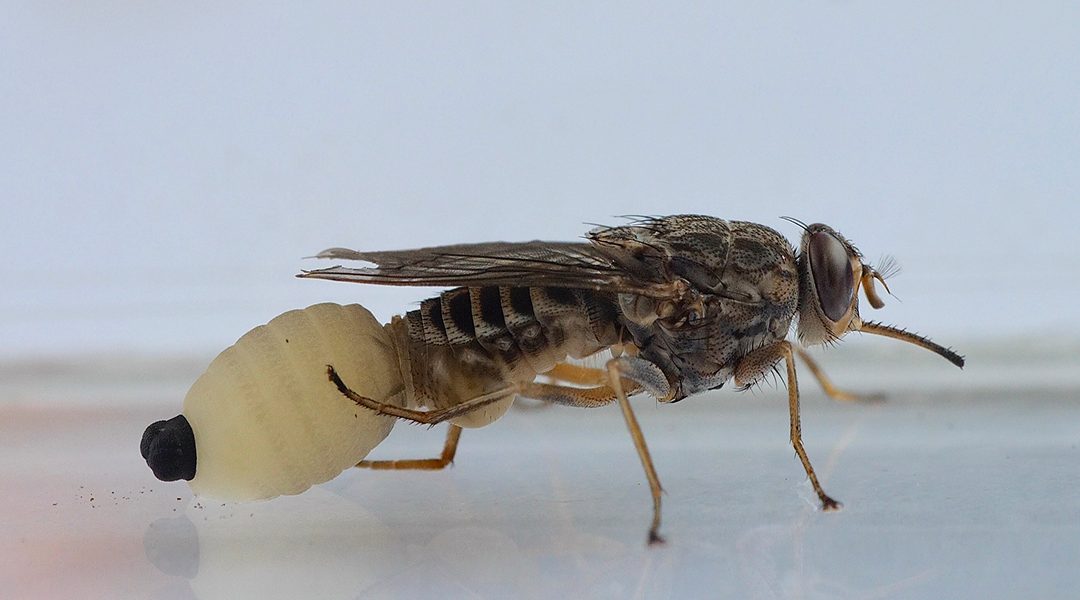
Tsetse flies, which miraculously birth young bigger than the mother, show us what science is about.
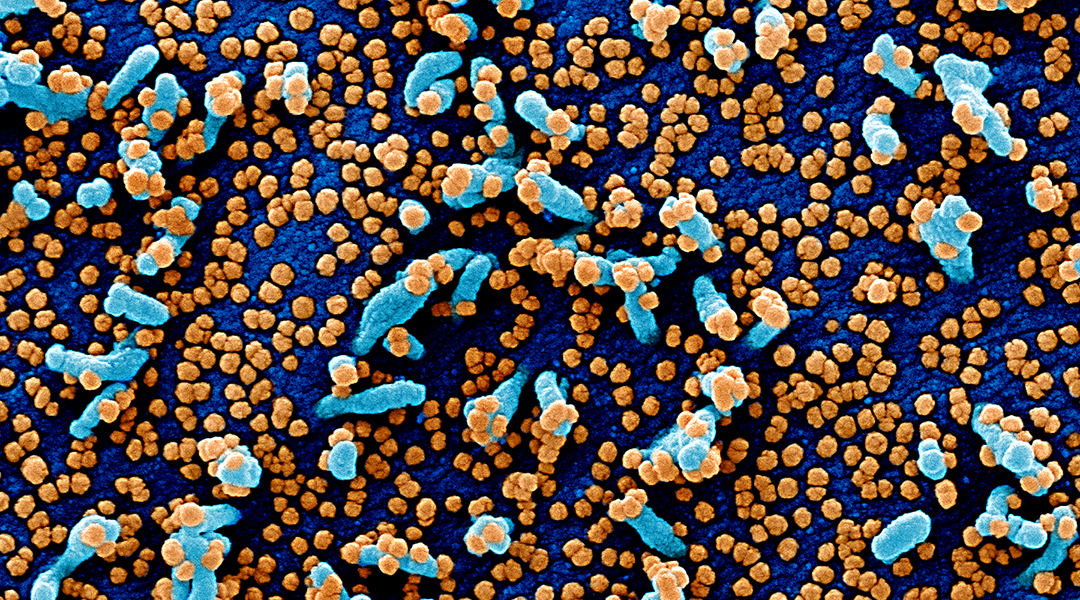
New study finds coronaviruses are masters of mimicry, reproducing their host’s immune proteins to remain invisible and help promote infection.
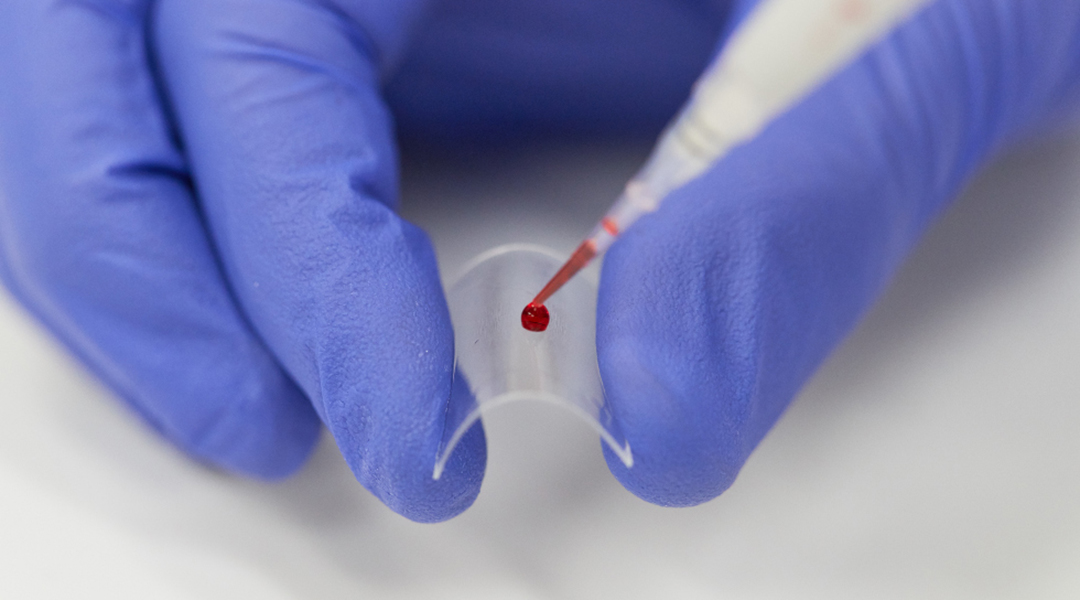
An inventive new approach lowers the limit of detection for a common assay, allowing researchers to identify elusive biomarkers in complex fluids, like the blood.
 New theory suggests gravity is not a fundamental force
 Higgs boson may be driving the Universe’s expansion
 Water-powered gadgets may be on the horizon thanks to new evaporation-based energy device
 Scientists discover a new class of antibiotics
 Micron-sized hidden dimensions could solve two of physics’ deepest puzzles
 A new type of dark matter could explain mysterious radiation from the Milky Way’s core