A special issue titled, Proteomics in Pathology, in the journal: Proteomics – Clinical Applications is accepting submissions now.
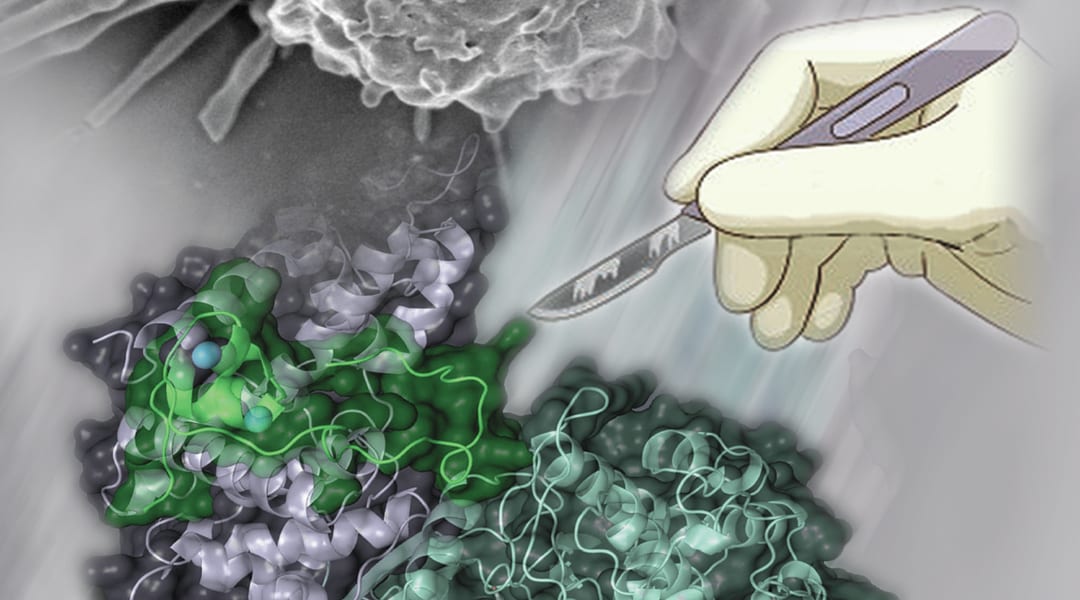

A special issue titled, Proteomics in Pathology, in the journal: Proteomics – Clinical Applications is accepting submissions now.
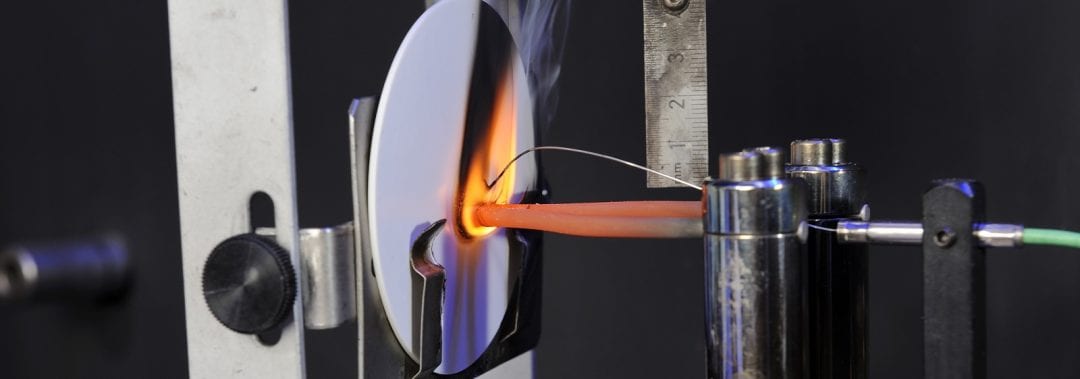
Lanxess offers alternatives to compounds with halogen-based flame retardants

The first bottle containing renewable isobutene has been filled in the Global Bioenergies‘ demo plant in Leuna.
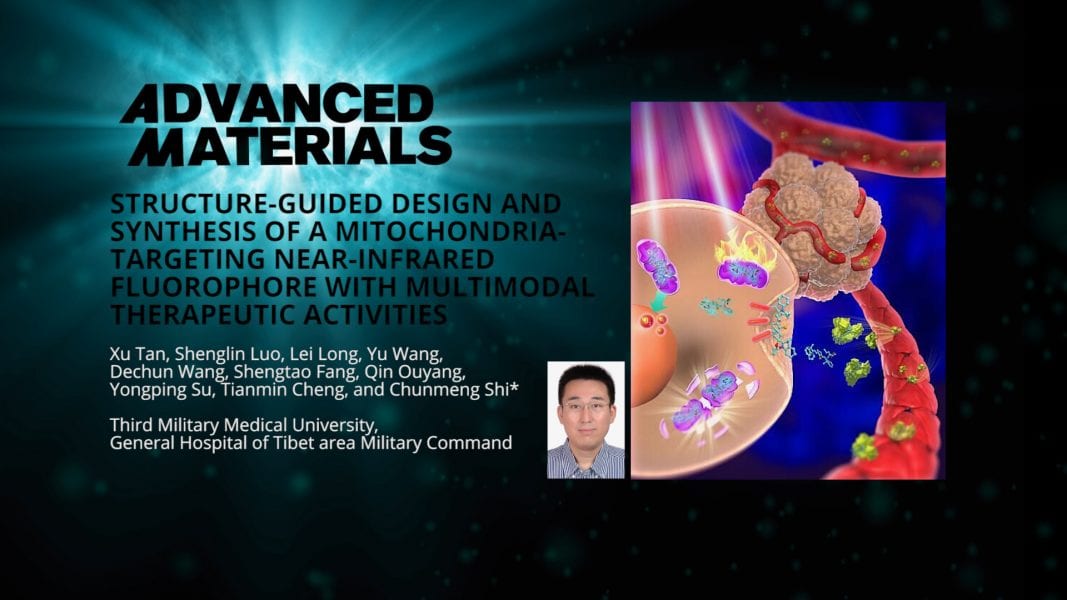
Chunmeng Shi and co-workers from the Third Military Medical University in Chongqing, China, introduce a small-molecule-based cancer theranostic agent for simultaneous cancer-cell mitochondrial targeting, NIR imaging, and chemo-/PDT/PTT/multimodal therapeutic activities.

A nanocomposite possessing high NIR-transparency is developed, and shown to be applicable for NIR photography, security, and forensic-related applications.
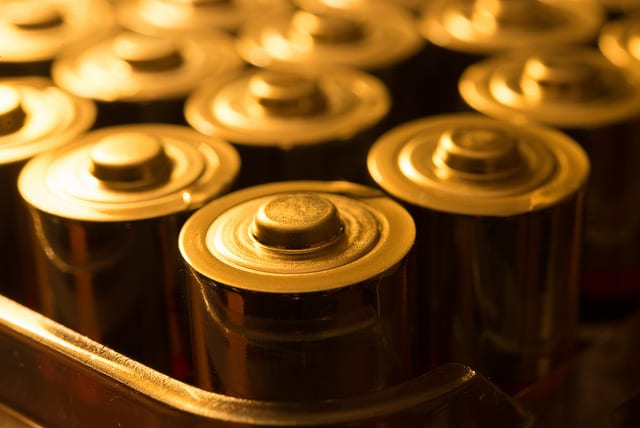
Batteries from a variety of manufacturers are examined using high-speed X-ray imaging to determine their failure mechanisms during thermal runaway.
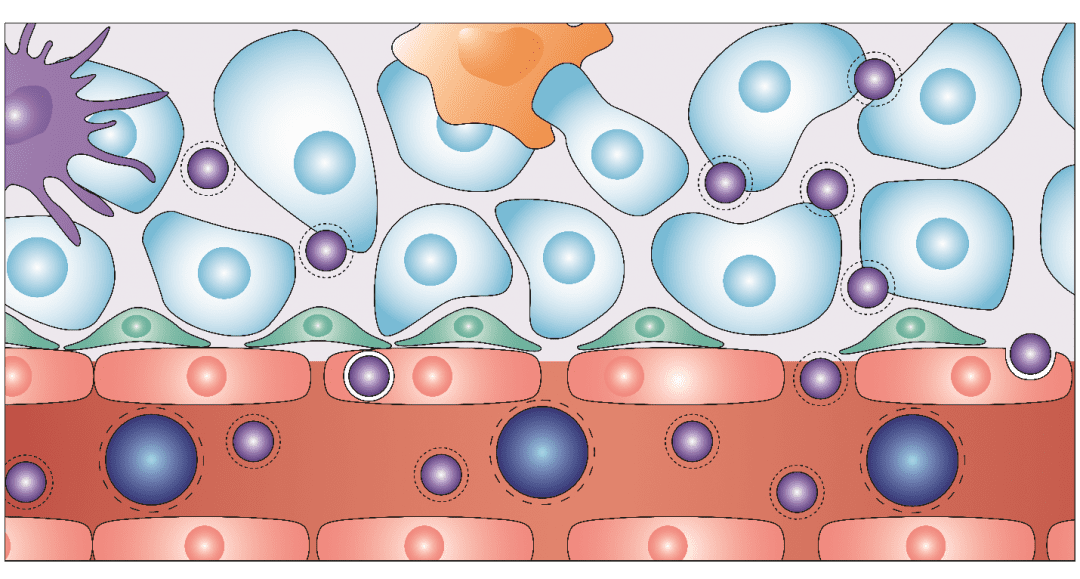
In contrast to healthy tissue, tumors demand a high supply of nutrients and oxygen, and will invade existing vessels and develop new ones to meet these demands.
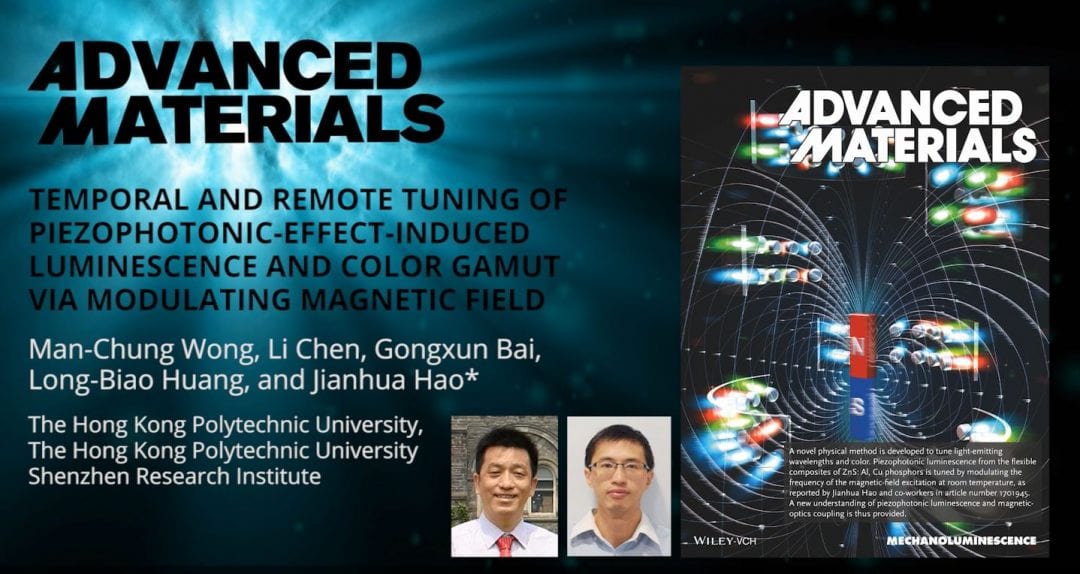
Researchers from Hong Kong Polytechnic University and the Hong Kong Polytechnic University Shenzhen Research Institute achieve remote and temporal tuning of luminescence intensity and wavelength in green- and blue-emissive piezophosphors by modulating the magnetic field. This novel method is promising for applications in magnetic optical sensing, piezophotonics, energy harvesting, nondestructive environmental surveillance, novel light sources, and displays.
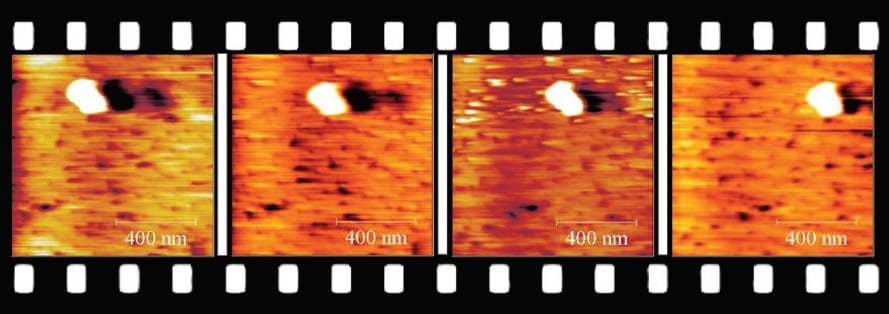
Stabilizing interfacial layers enable atomic force microscopy imaging of soft and dynamic liquid/liquid interfaces without any solid support.
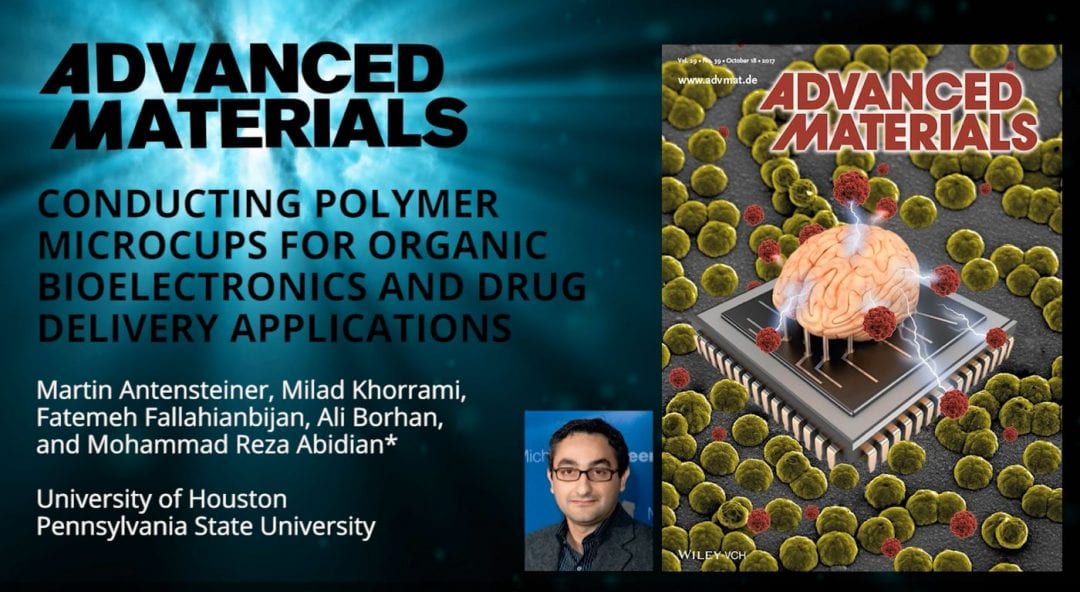
University of Houston and Pennsylvania State University researchers fabricate conducting polymer microcups from polylactic-co-glycolic acid (PLGA) for neural applications and drug delivery. These microcups are tunable in terms of size, surface roughness, electrical properties, and drug release.
 New theory suggests gravity is not a fundamental force
 Higgs boson may be driving the Universe’s expansion
 Water-powered gadgets may be on the horizon thanks to new evaporation-based energy device
 Scientists discover a new class of antibiotics
 Micron-sized hidden dimensions could solve two of physics’ deepest puzzles
 Turning Periods into Power: Menstrual Blood a Valuable Resource for Medical Diagnostics