The life of every child born today will be profoundly affected by climate change. Without accelerated intervention, this new era will come to define the health of people at every stage of their lives.


The life of every child born today will be profoundly affected by climate change. Without accelerated intervention, this new era will come to define the health of people at every stage of their lives.

Abstract images for scientific papers are often cluttered with illegible details, sacrificing attractiveness and reducing the value of this visual “hook”.
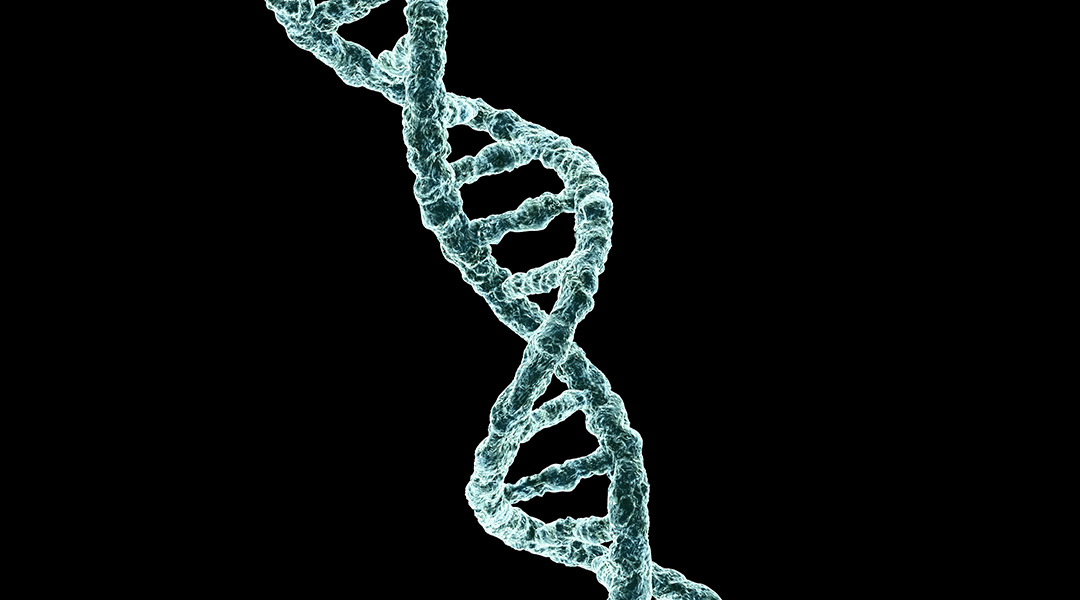
Understanding the nature and origin of the non-coding genome.

Professor Elazar Gutmanas October 1939 - October 2019 On 26 October 2019, the materials research community was shaken by the sad news that Emeritus Professor Elazar Gutmanas succumbed to severe injuries inflicted by a tragic accident during an experiment he was...
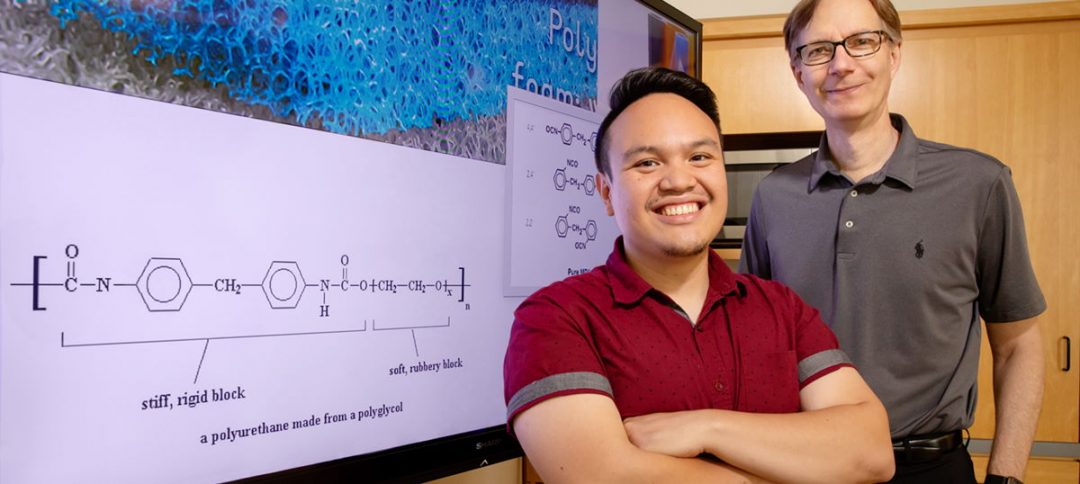
Polyurethane is a widely used polymer that is toxic when incinerated or landfilled. Now researchers are trying to find a way to chemically recycle the material.
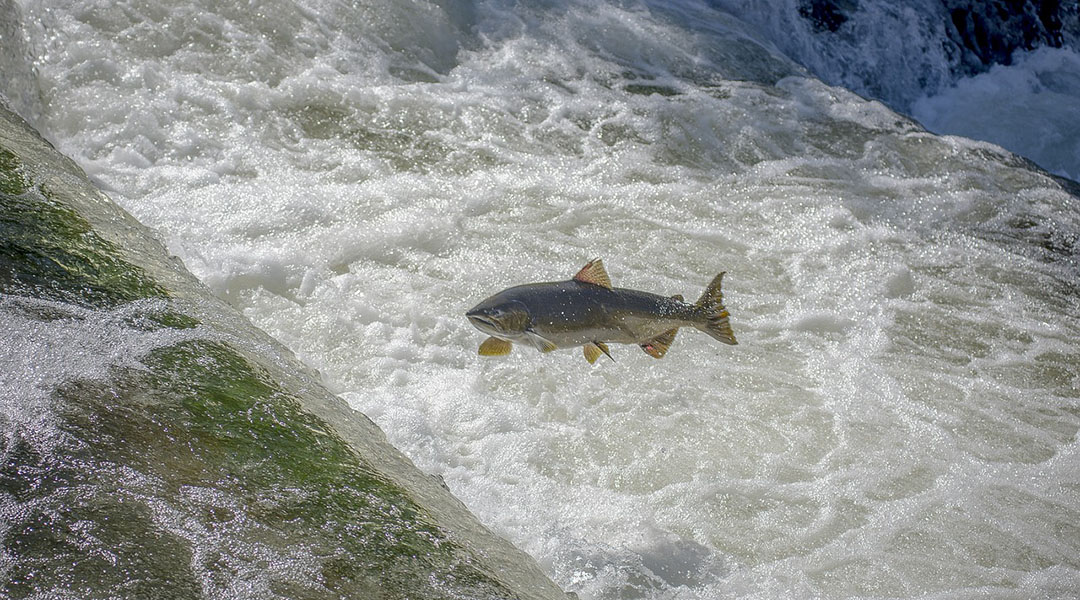
Researchers demonstrate the use of aerial drone photography, hydraulic modeling, and simulated rock blasting, to evaluate velocity barriers that prevent steelhead migrations.
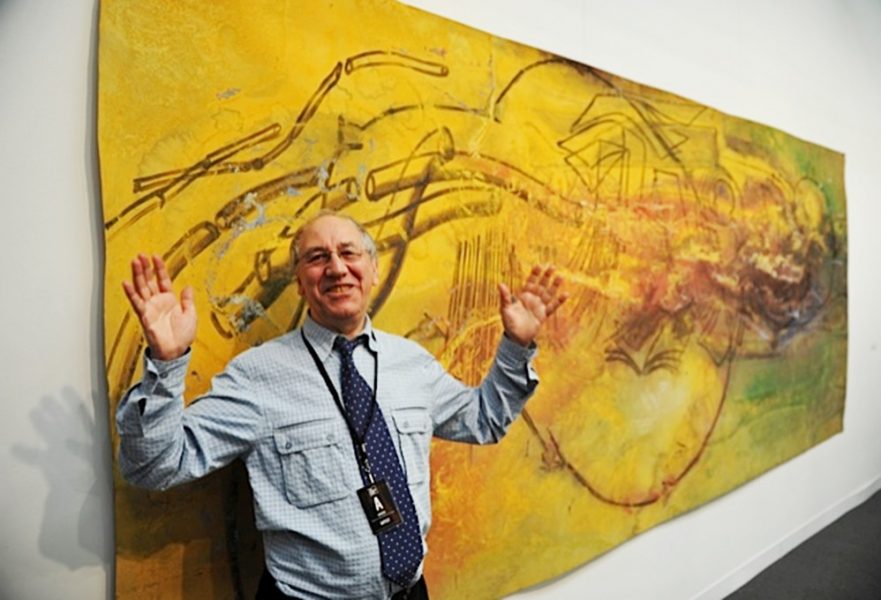
In honor of Advanced Science’s 5th Anniversary, Professor Geoffrey Ozin opens up about his 50 years in materials chemistry, his love of art and communicating science, as well as future research directions.
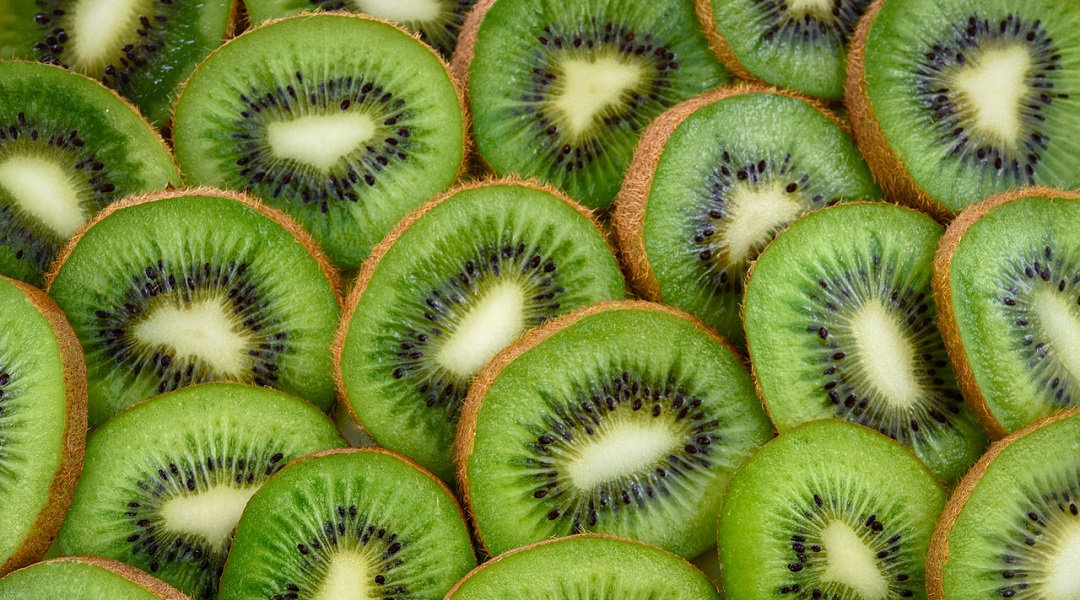
The delicious and nutritious yellow kiwi could be more widely available following a study to improve storage techniques.

How do we effectively evaluate and employ zoning and building codes in flood prone areas to minimize damage?
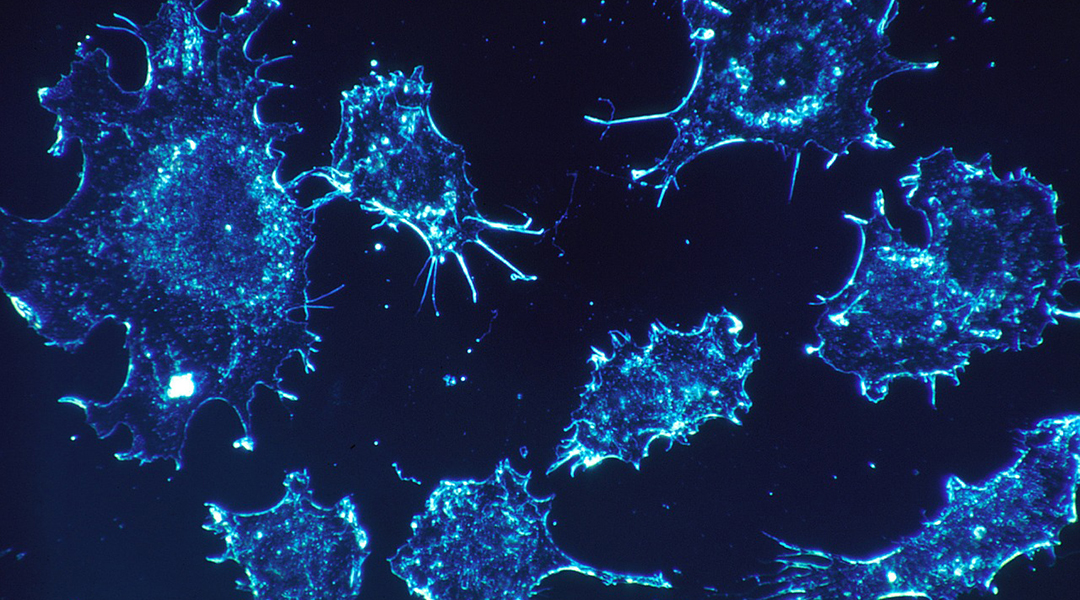
Polymers have been shown to improve the biological capabilities of optical contrast agents to improve diagnosis of diseases such as cancer.
 New theory suggests gravity is not a fundamental force
 Higgs boson may be driving the Universe’s expansion
 Water-powered gadgets may be on the horizon thanks to new evaporation-based energy device
 Scientists discover a new class of antibiotics
 Micron-sized hidden dimensions could solve two of physics’ deepest puzzles
 Turning Periods into Power: Menstrual Blood a Valuable Resource for Medical Diagnostics