Taking advantage of progress made in neuroimaging, researchers hope that personalized treatments for mental disorders using brain stimulation therapies will be the way forward.
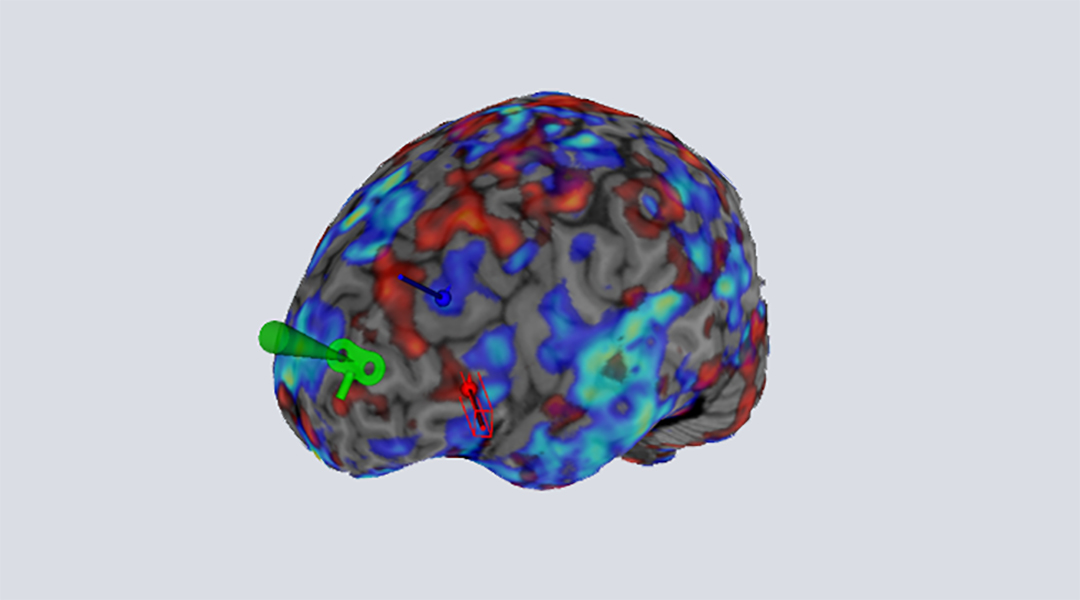

Taking advantage of progress made in neuroimaging, researchers hope that personalized treatments for mental disorders using brain stimulation therapies will be the way forward.

Using a more sophisticated analysis, researchers aim to set better baselines for clinical trials exploring therapeutics for patients with celiac disease.

As an increasing global population moves into areas where non-perennial rivers are common, we need to understand how human water needs impact when, where, and how much these rivers flow.
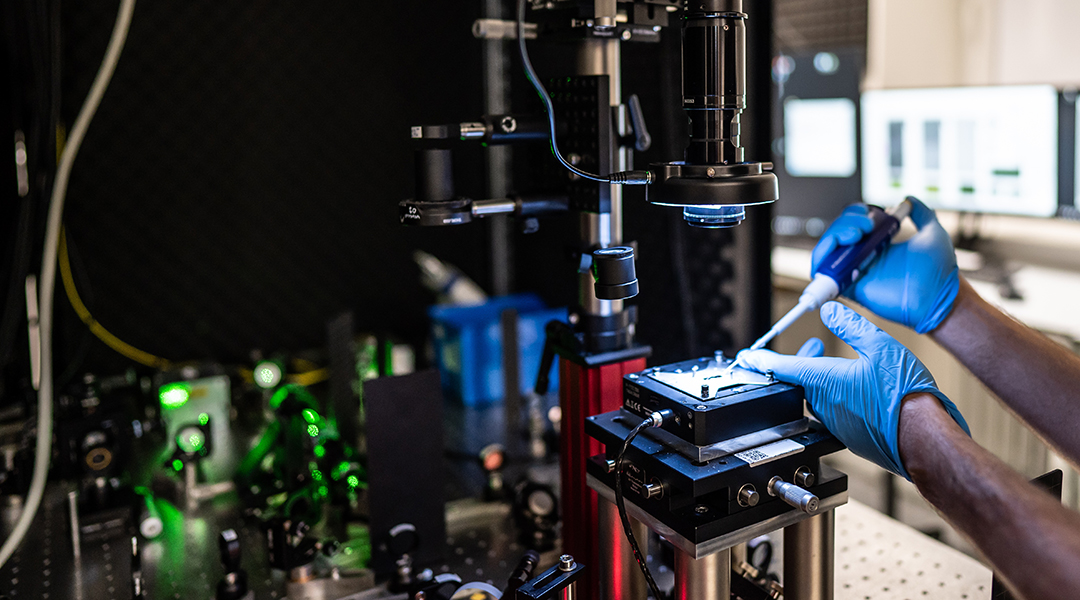
A new method with unprecedented resolution allows researchers to visualize dynamic and elusive mechanisms that underpin essential biological processes, such as cell division.

Russia’s Sputnik V coronavirus vaccine gives around 92% protection against COVID-19, results published in The Lancet reveal.

The genesis of a crystal was something we have imagined for centuries, and being able to watch it was like living in a dream.

Building inclusive education systems will be key to ensuring no one is left behind and that advances in AI and robotics benefit everyone in society.

The first digital CRISPR/Cas‐assisted assay that can detect SARS‐CoV‐2 in under 30 minutes.
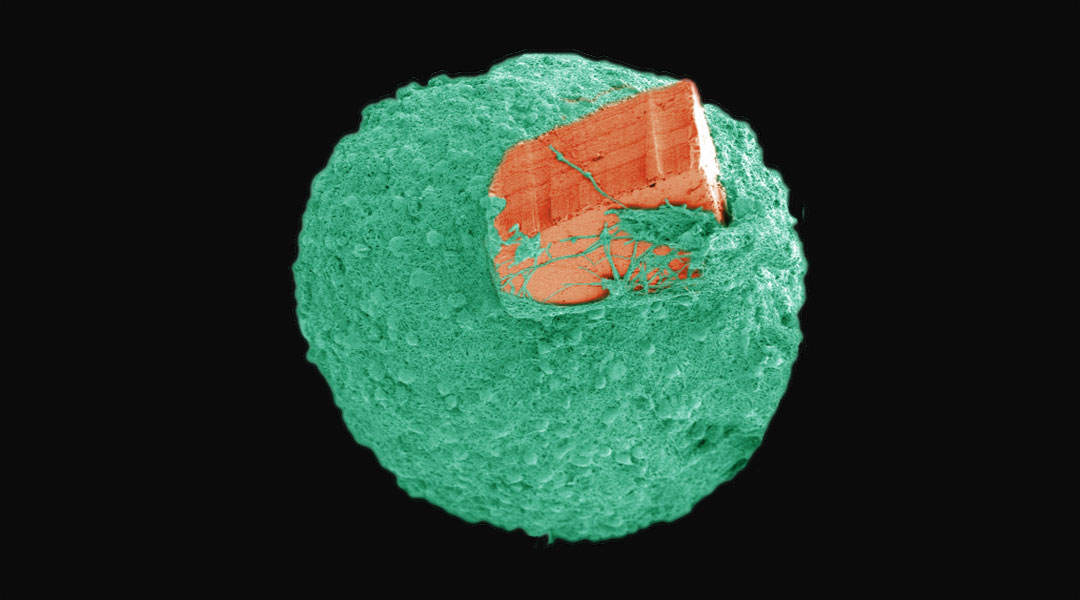
From Trojan horses that help sneak therapeutics past the blood–brain barrier to advanced brain models built on microchips, we celebrate innovative science in breathtaking images.
Scientists investigated phages that can kill the world’s leading superbug, Acinetobacter baumannii, which is responsible for up to 20% of infections in intensive care units.
 New theory suggests gravity is not a fundamental force
 Higgs boson may be driving the Universe’s expansion
 Water-powered gadgets may be on the horizon thanks to new evaporation-based energy device
 Scientists discover a new class of antibiotics
 Micron-sized hidden dimensions could solve two of physics’ deepest puzzles
 A new type of dark matter could explain mysterious radiation from the Milky Way’s core