Researchers demonstrate the controlled growth of artificial synapses, paving the way for computers that can grow, evolve, and adapt like the human brain.
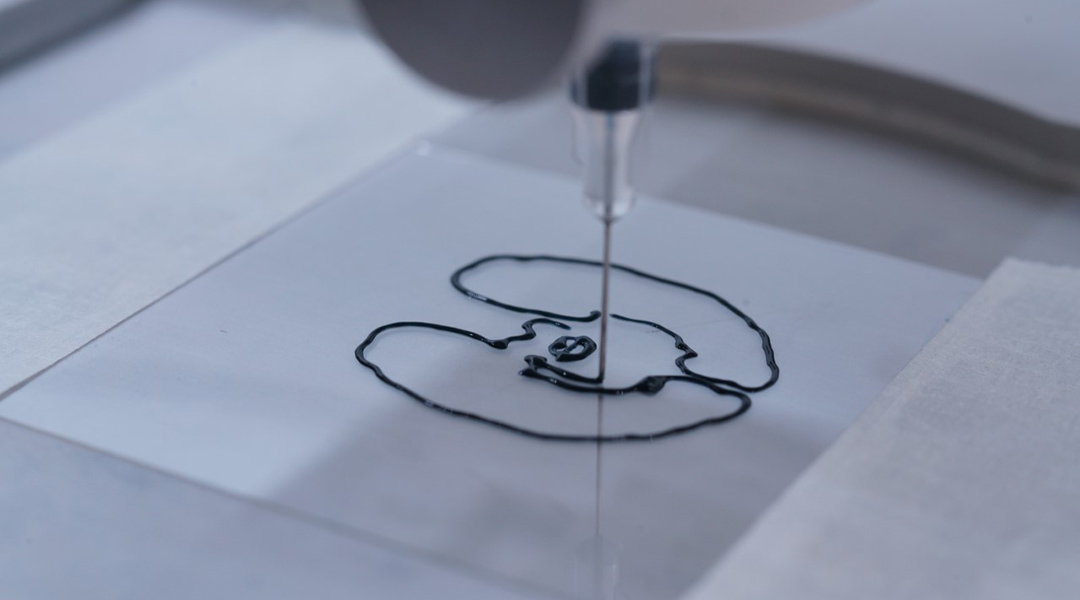

Researchers demonstrate the controlled growth of artificial synapses, paving the way for computers that can grow, evolve, and adapt like the human brain.
Replacing animal testing with the ever-growing capabilities of AI and deep learning could help minimize the need for animals in scientific discovery.
The waste chips of paint you strip off the walls might not be so useless afterall.
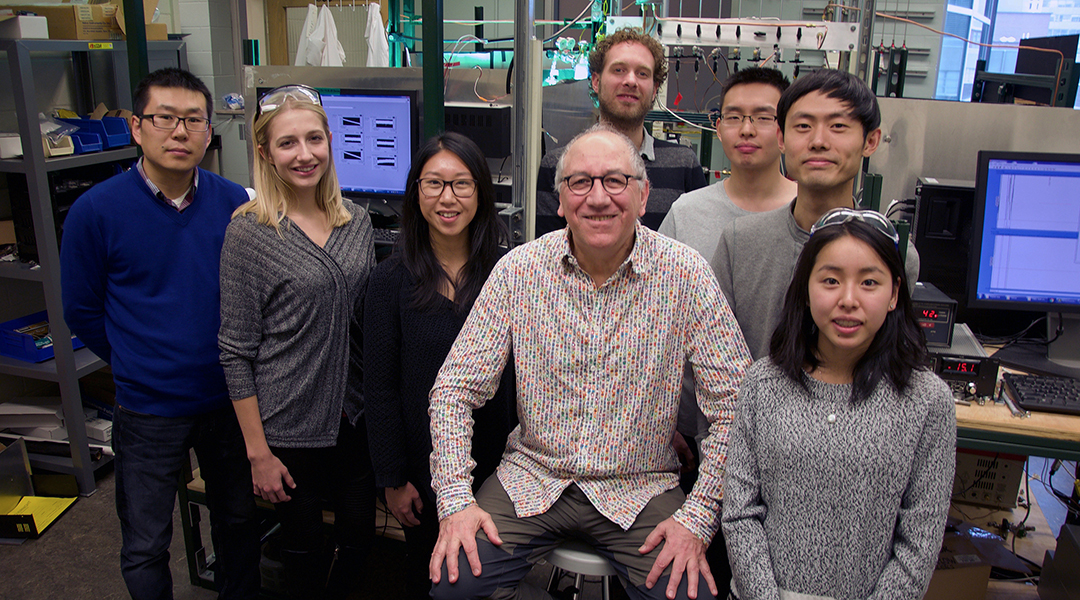
To celebrate his upcoming 77th birthday, we reached out to nanochemist and long-time ASN contributor, Geoffery Ozin, to discuss his colorful career, current projects, and plans for the future.
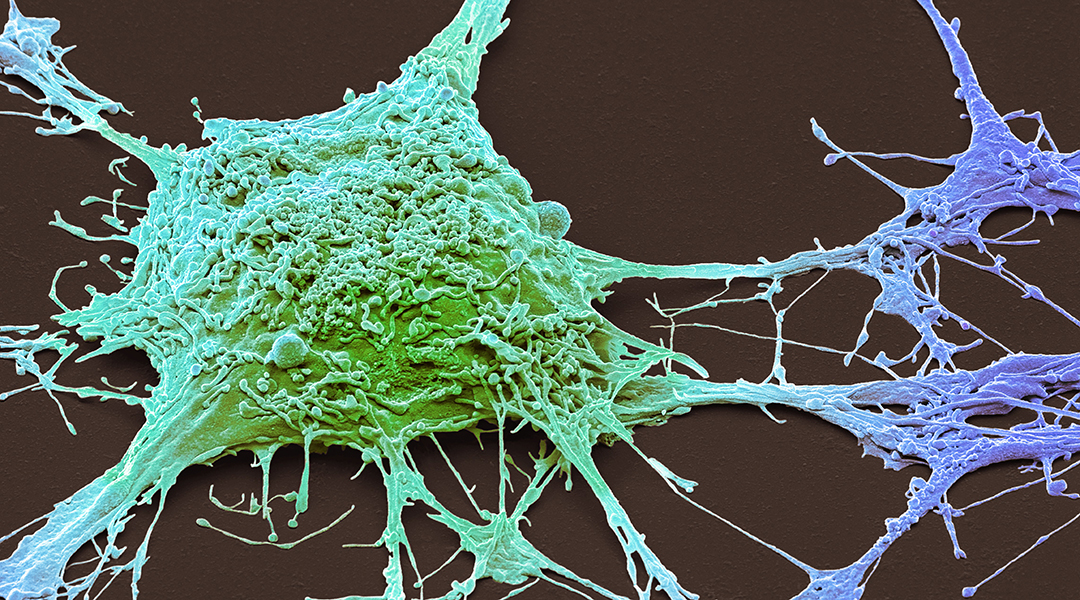
Understanding how mRNA localization changes during healthy brain functions and pathological conditions.
An automated microfluidics‐based reaction system provides hands-off synthesis for the modern lab.
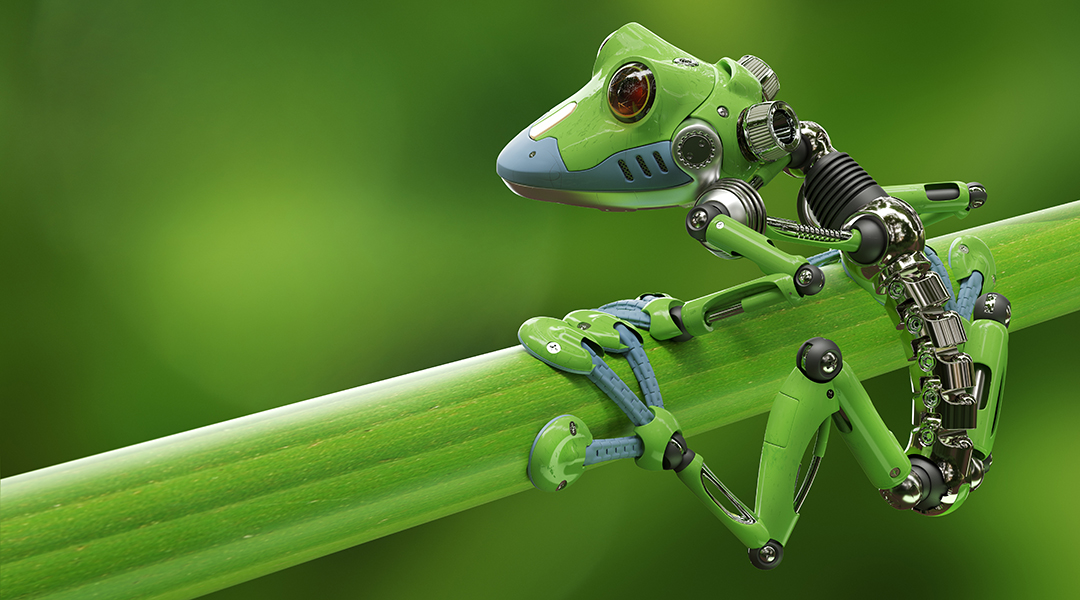
Tiny ‘xenobots’ assembled from cells promise advances from drug delivery to toxic waste clean-up.
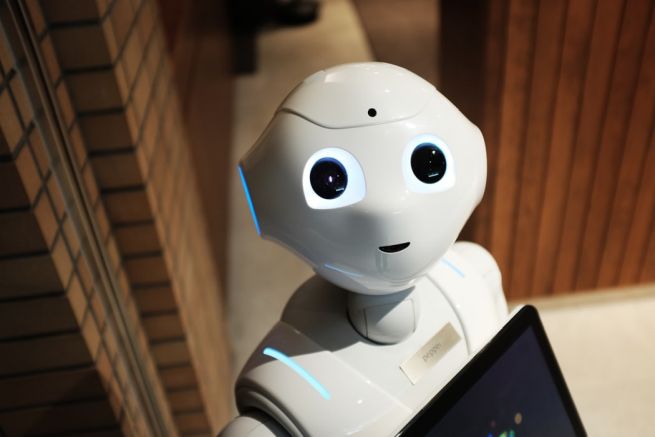
AI is growing at a rapid pace and solving complex problems in the process—but what are the risks of such a sophisticated technology?
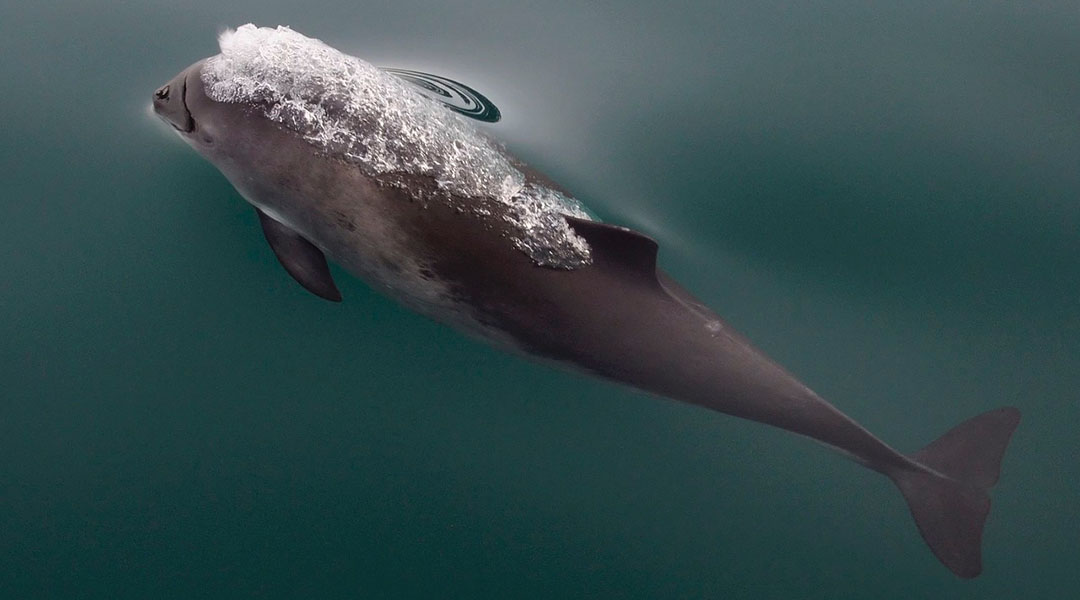
Artificial muscles based on multidirectional actuators for biomimetic fins.
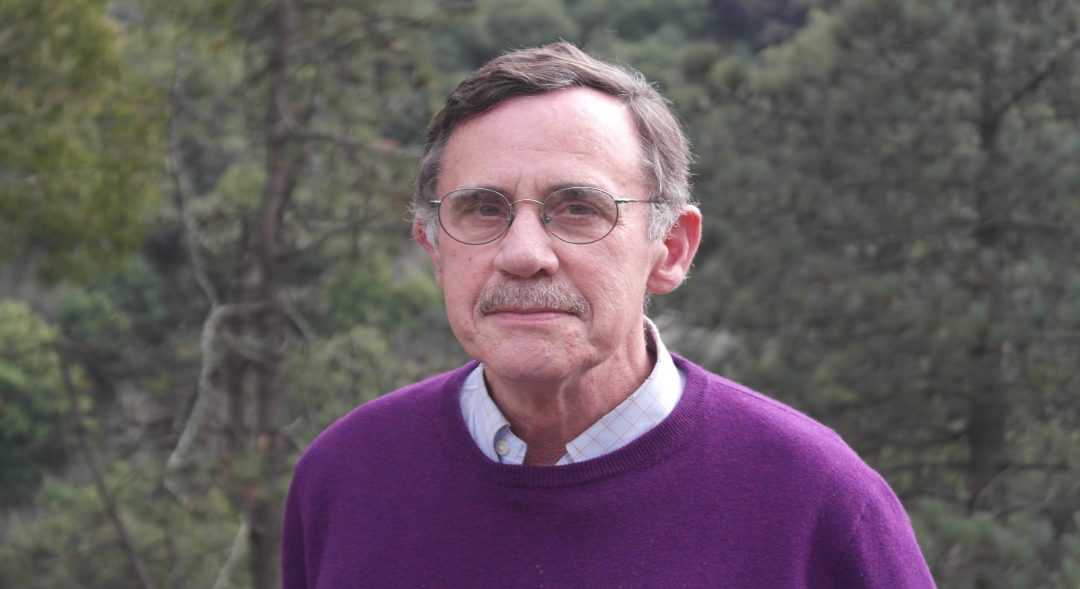
Thomas P. Russell shares the highlights of his career, current research focus, and his thoughts on the future of materials science.
 Micron-sized hidden dimensions could solve two of physics’ deepest puzzles
 Turning Periods into Power: Menstrual Blood a Valuable Resource for Medical Diagnostics
 Surfactants Steer Supraparticle Structure
 Bone loss in obesity traced to gut microbiota
 Edible electronics realize safe, complex monitoring devices
 Fermilab Confirms Muon g-2 Measurements