The testing platform identifies the presence of two antibodies in microliter samples of blood.
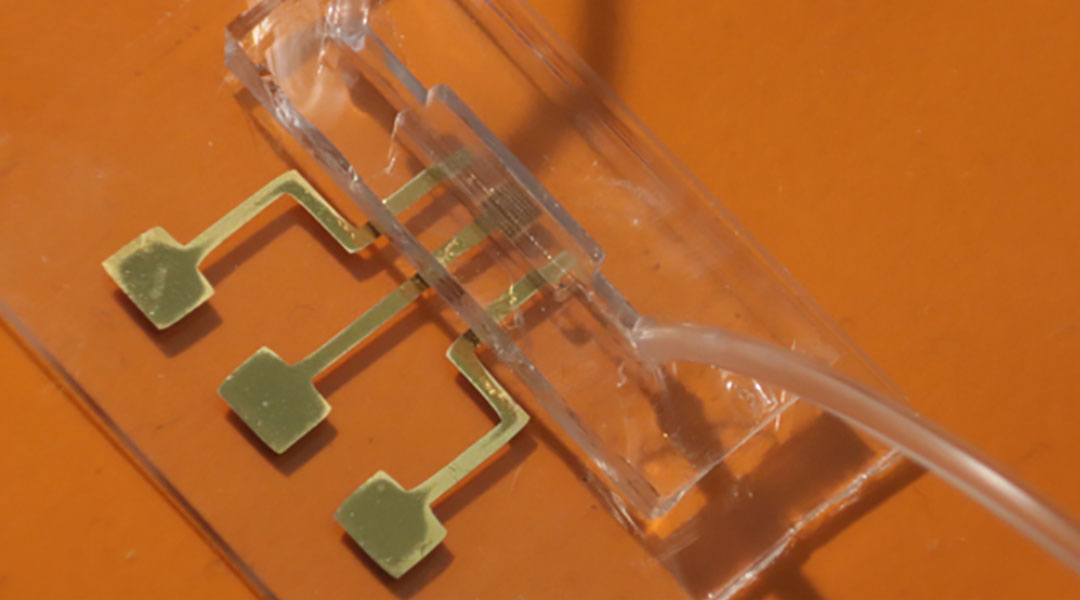

The testing platform identifies the presence of two antibodies in microliter samples of blood.
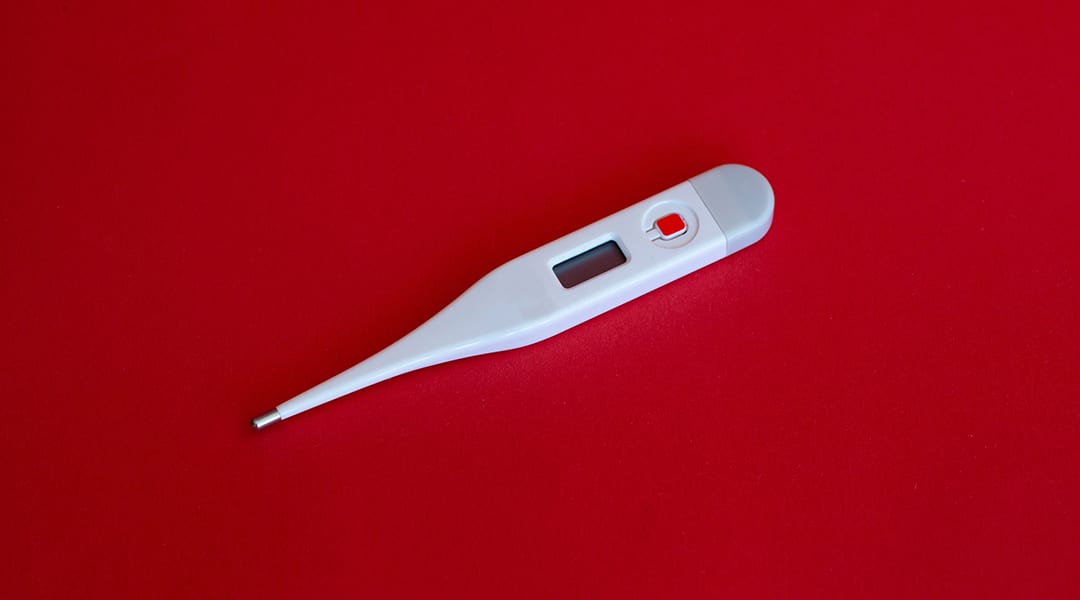
Models that can predict and help us to understand the body’s thermal state could help optimize temperature management strategies in a clinical setting.
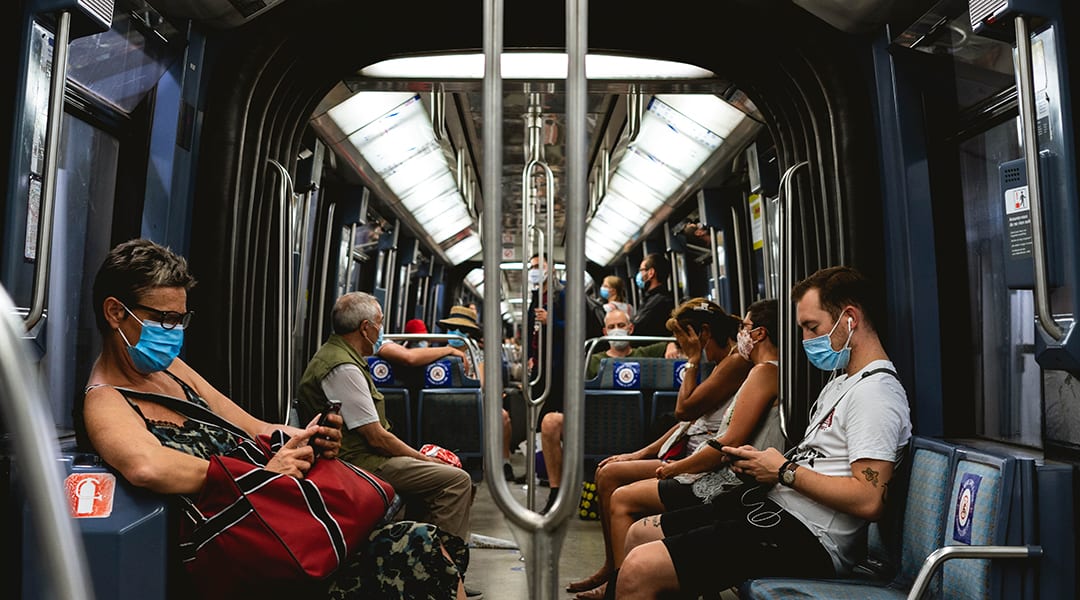
Developments in pathogen-detecting materials could provide an easy means of detecting viruses within public places.

New research is uncovering the importance of small predatory species in shaping ecosystems and managing threatened populations.
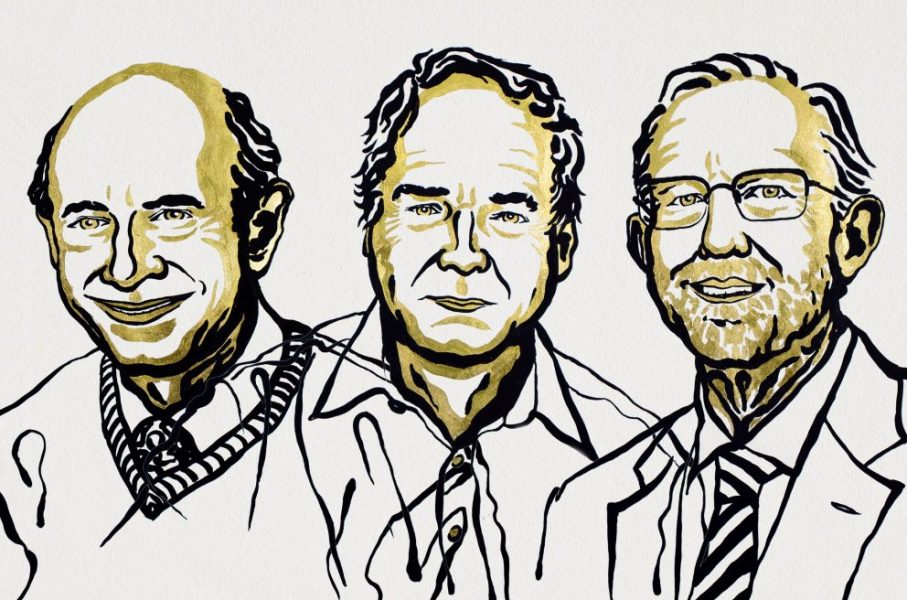
This year’s Nobel Prize in Physiology or Medicine recognizes the achievements made in identifying and treating hepatitis C.
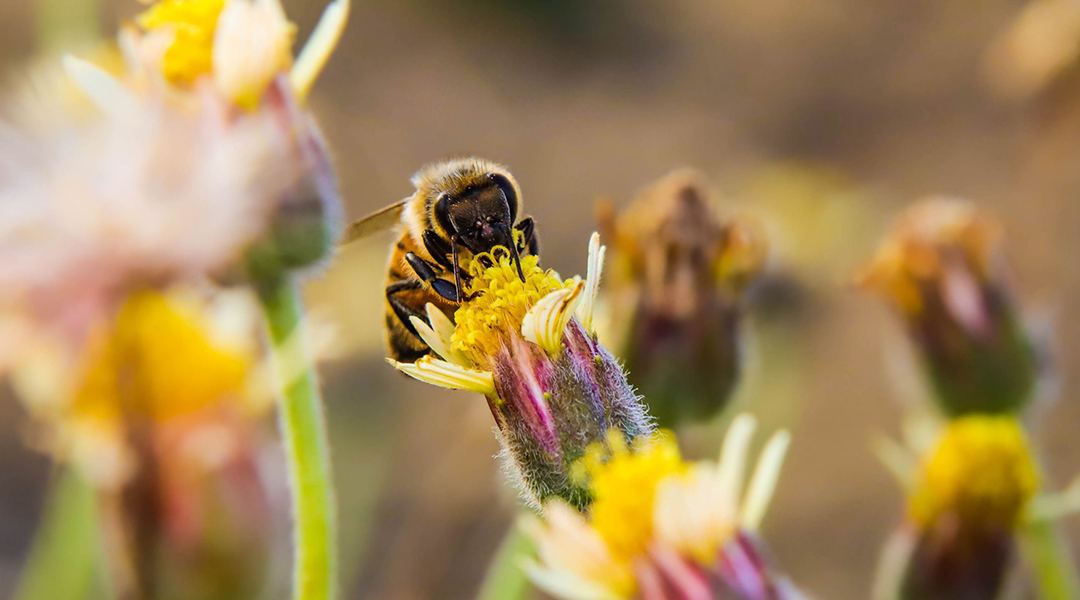
Spread of the giant Asian hornet (Vespa mandarinia) in the USA threatens honeybee colonies, and new analysis assesses the possible impact.
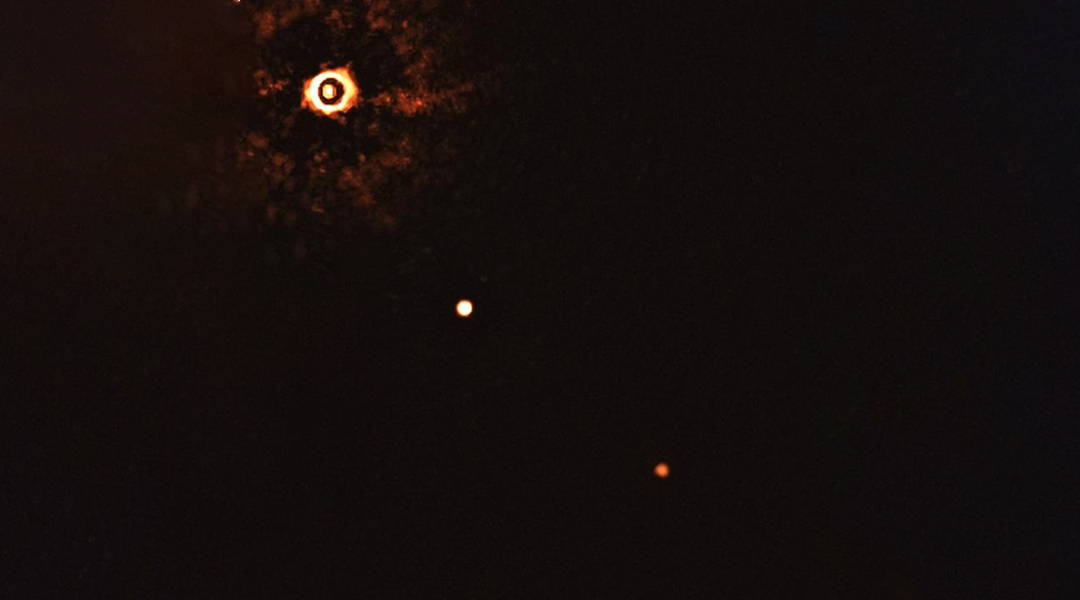
In a rare occurrence, astronomers have directly observed more than one planet orbiting a star similar to the Sun.

Long-term and global datasets of Paleolithic archaeologists are relevant for present climate action, and new interdisciplinary alliances are needed to exploit them.
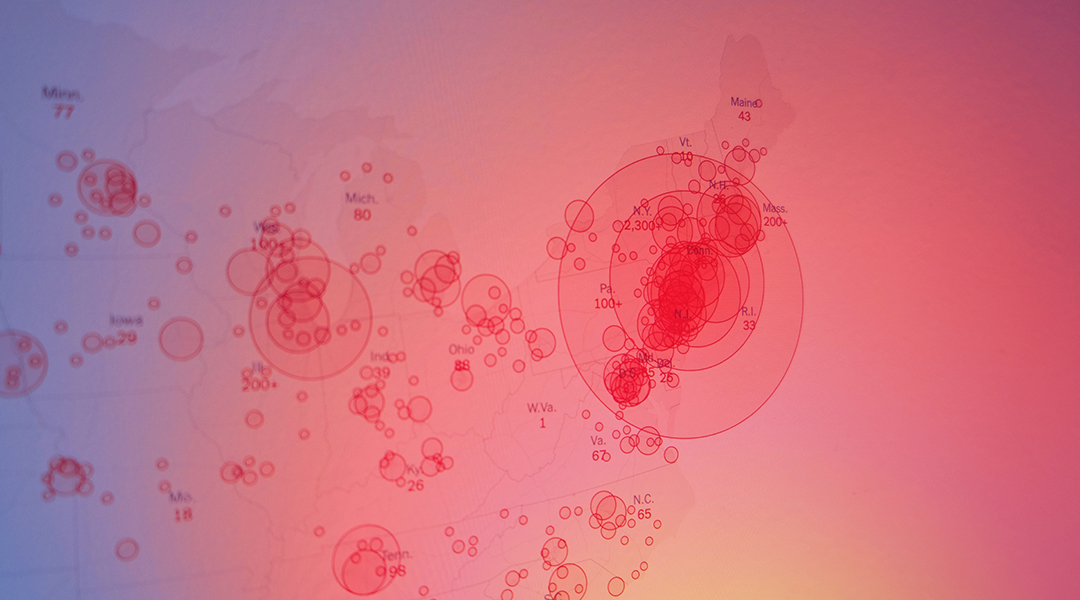
A new study estimates that one in five people worldwide have an underlying health condition that could increase their risk of severe COVID-19 if infected.
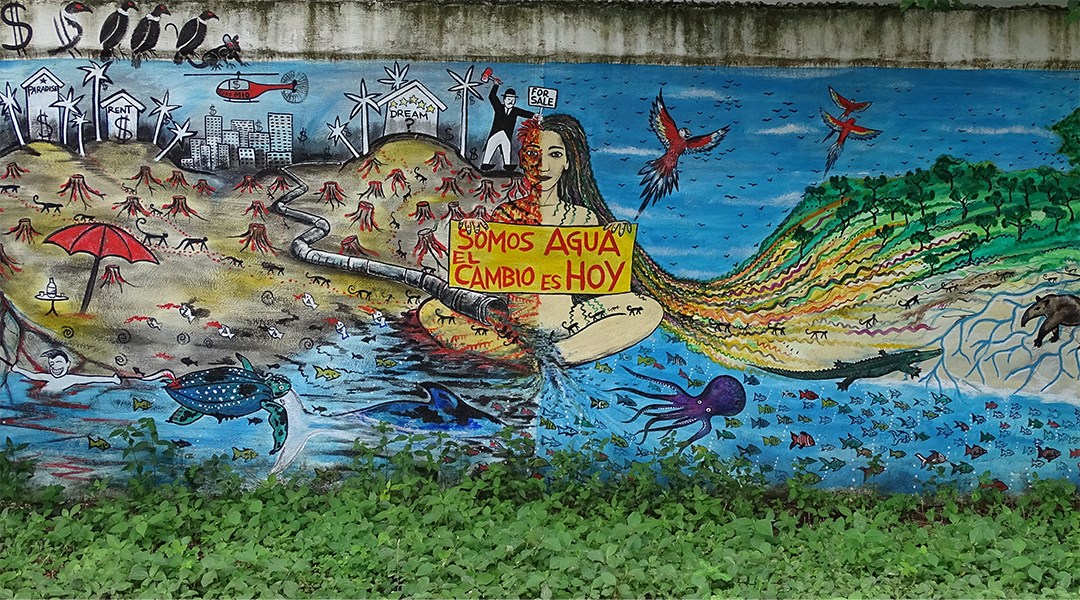
Women face greater health and safety risks when water and sanitation systems are compromised, but this has never been explored in relation to tourism.
 New theory suggests gravity is not a fundamental force
 Higgs boson may be driving the Universe’s expansion
 Water-powered gadgets may be on the horizon thanks to new evaporation-based energy device
 Scientists discover a new class of antibiotics
 Micron-sized hidden dimensions could solve two of physics’ deepest puzzles
 A new type of dark matter could explain mysterious radiation from the Milky Way’s core