A temperature-responsive, porous hydrogel enables more efficient and sustained protein synthesis.
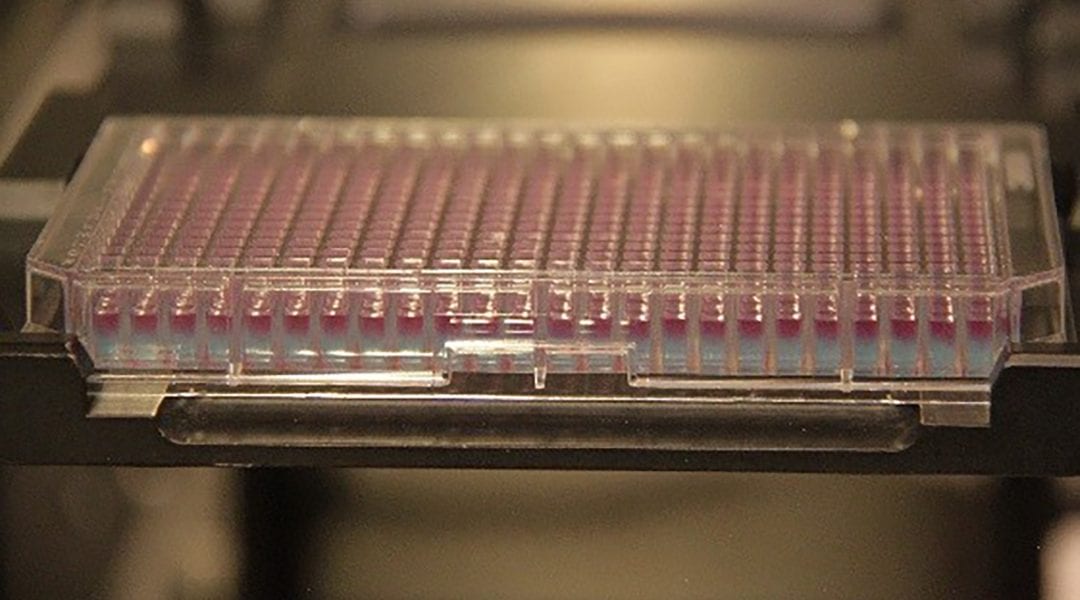

A temperature-responsive, porous hydrogel enables more efficient and sustained protein synthesis.
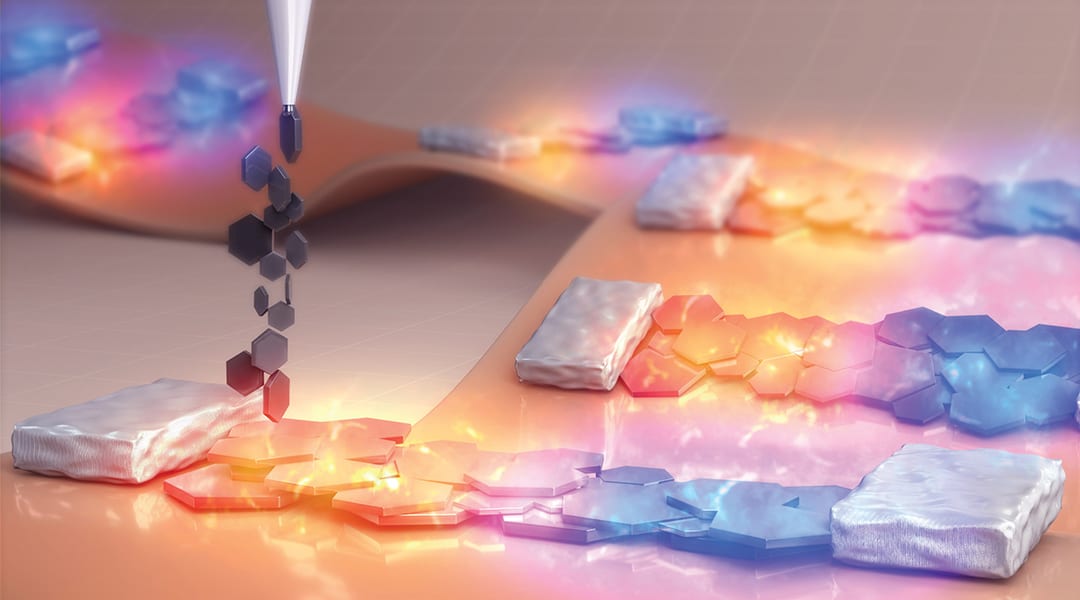
A simple approach to create high performance thermoelectric materials, which would allow one to turn their body heat into electricity.
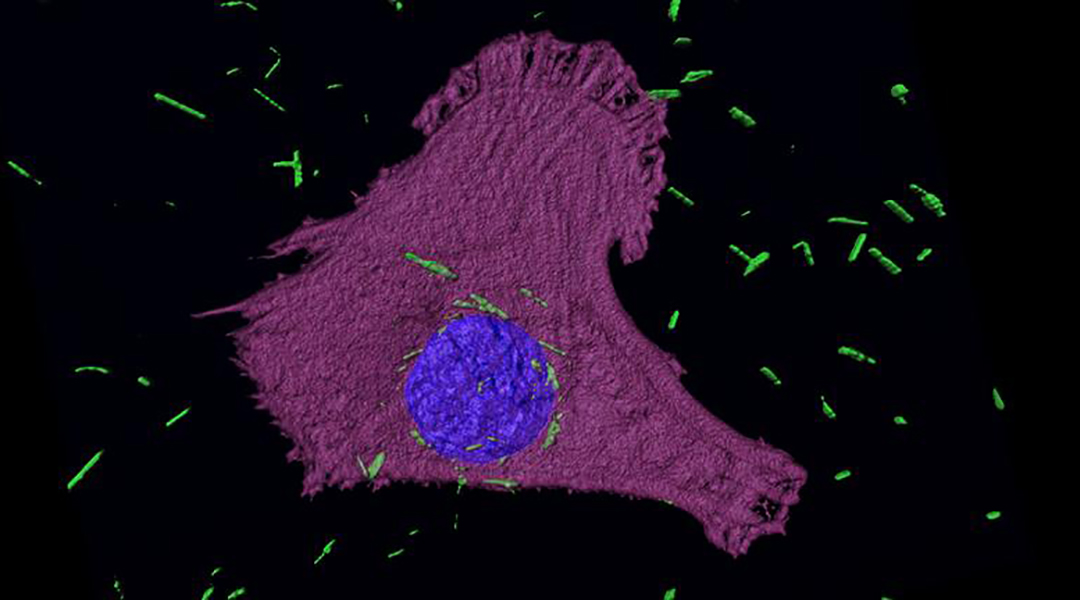
Researchers create a method to fine tune the properties of nanoparticles, making them a promising treatment for cancer.

For the first time, two women share the Nobel prize for chemistry. Their work with CRISPR helped usher in a new generation of precision genome editing.

This year’s Nobel Prize in Physiology or Medicine recognizes the achievements made in identifying and treating hepatitis C.

Who were the vikings and where did they come from? Sequencing of skeletons allows researchers to understand Vikings through their genetic legacy.
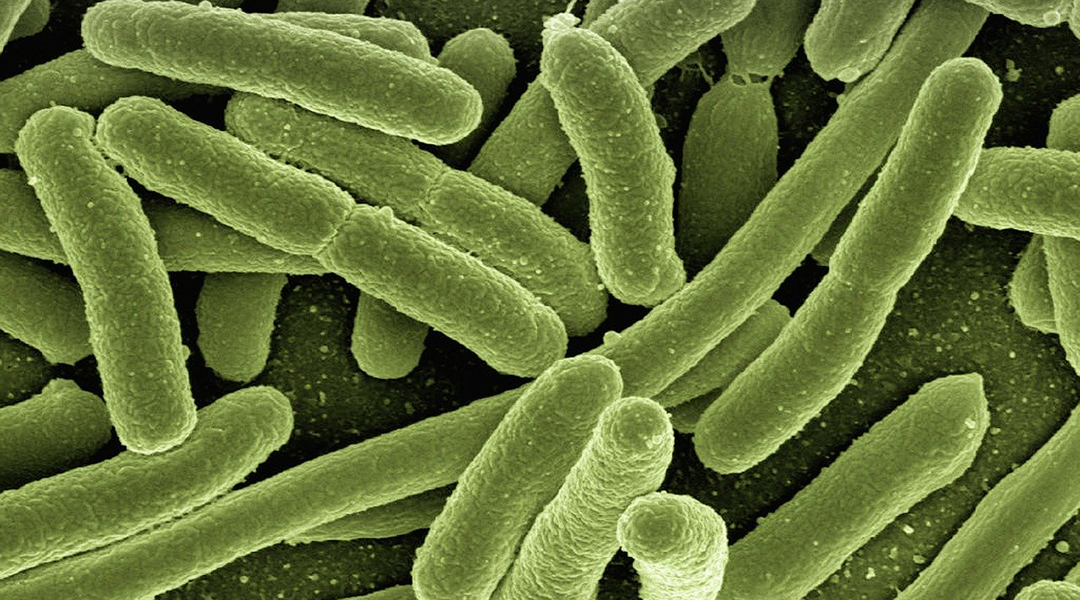
Similar to eukaryotes, prokaryotic cells can spatiotemporally regulate localization of RNAs, which is crucial for the survival and proper function of these tiny organisms.
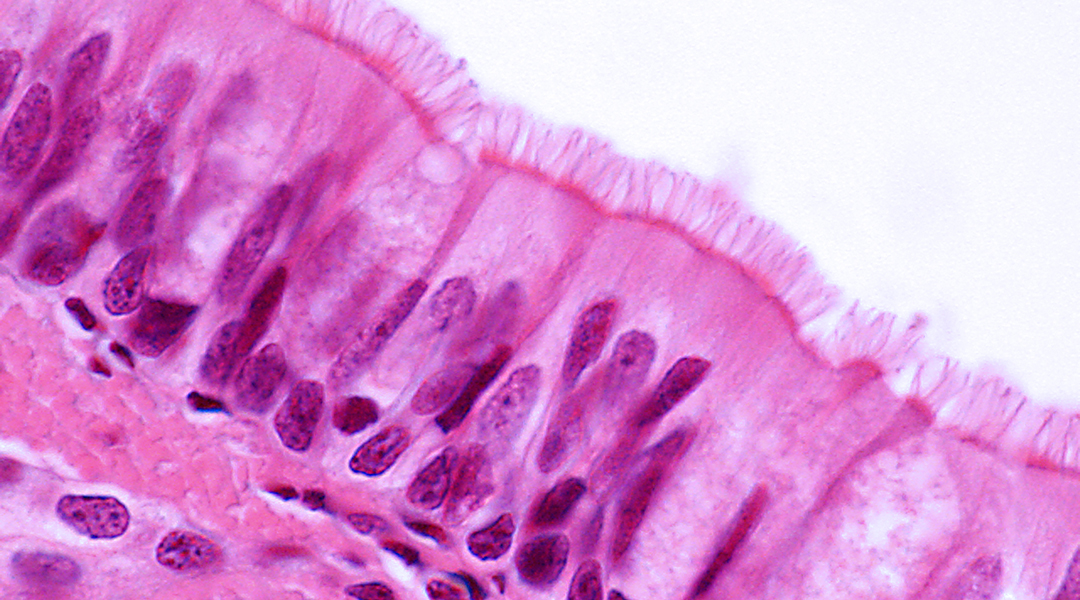
Damaged trachea can now be regenerated and customized with the help of engineered biomaterials, replacing the need for prosthesis.

New study provides the best estimate to date that bacteria could survive a trip to Mars.

This Pioneers in Science celebrates Marie Daly, the first Black woman in America to receive a Ph.D. in chemistry.
 New theory suggests gravity is not a fundamental force
 Higgs boson may be driving the Universe’s expansion
 Water-powered gadgets may be on the horizon thanks to new evaporation-based energy device
 Scientists discover a new class of antibiotics
 Micron-sized hidden dimensions could solve two of physics’ deepest puzzles
 A new type of dark matter could explain mysterious radiation from the Milky Way’s core