Simulations at Graz University of Technology refute earlier theories on long-range charge transfer between organic and inorganic materials.


Simulations at Graz University of Technology refute earlier theories on long-range charge transfer between organic and inorganic materials.

Cellulose-based energy storage devices could provide a viable solution to creating sustainable, inexpensive electronics.

Researchers explore an alternative, green supercapacitor concept that relies on seawater and carbon fibers derived from waste cotton.

Developing a battery-free electronic sensor to monitor the forest.

Direct‐write and 3D printing using liquids metals provides an interesting alternative for wiring in circuitry.

A new way of making large sheets of graphene could lead to ultra-lightweight, flexible solar cells, and to new classes of light-emitting devices and other thin-film electronics

A transparent and stretchable touch sensor could enable robust touch input mapping under either static or dynamic deformation.

Zinc metal batteries built using a novel hydrogel electrolyte show remarkable performance and processability, making them suitable for the next generation of wearable energy storage devices.
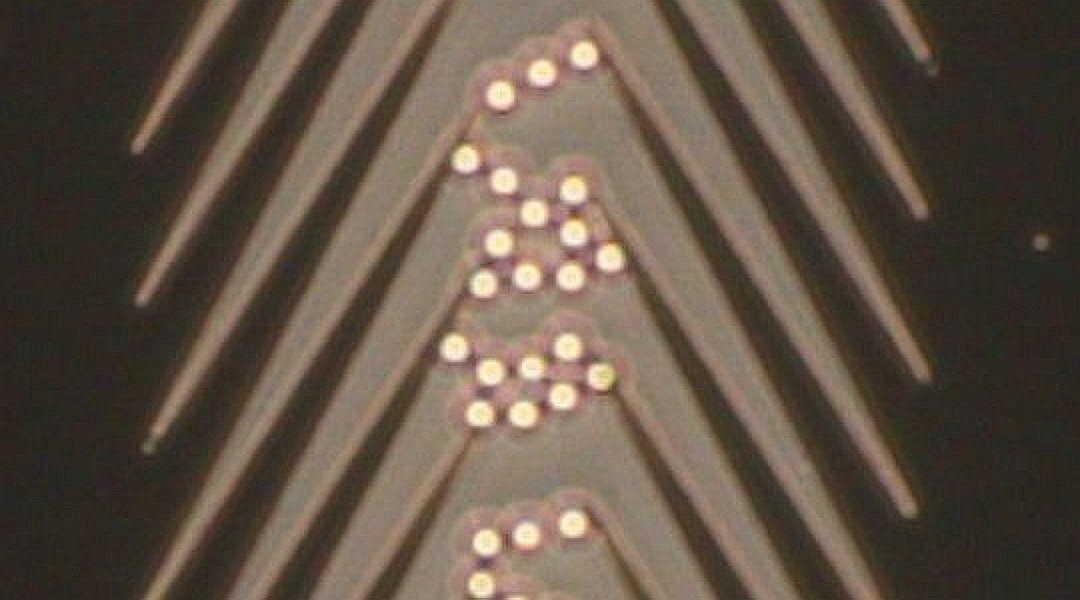
Using an asymmetric sawtooth-shaped potential, researchers achieve transport of tiny molecules driven by particle crowding.
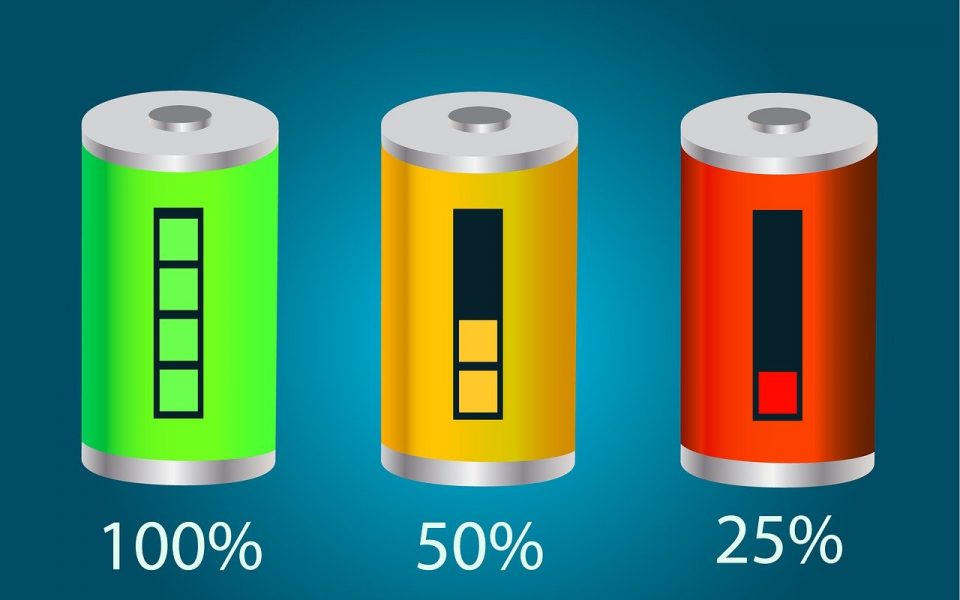
A new dielectric coating could help solve a long-standing problem and enhance the performance of lithium-rich materials.
 New theory suggests gravity is not a fundamental force
 Higgs boson may be driving the Universe’s expansion
 Water-powered gadgets may be on the horizon thanks to new evaporation-based energy device
 Scientists discover a new class of antibiotics
 Micron-sized hidden dimensions could solve two of physics’ deepest puzzles
 A new type of dark matter could explain mysterious radiation from the Milky Way’s core